The Evolutionary Biology of Cravings
At the core of the human experience lies a profound intersection between ancient survival instincts and the modern food environment. When the brain signals a sudden, irresistible desire for high-calorie, sugary, or salty comfort foods, it is not merely a lack of willpower; it is a complex biological reaction. Evolutionarily, human ancestors lived in environments where calories were scarce. The ability to prioritize energy-dense foods meant the difference between survival and starvation. Today, this 'thrifty gene' hypothesis suggests that our biological machinery is still calibrated to seek out fats and sugars because they historically signaled high-value, life-sustaining fuel.
The Neurochemical Reward System
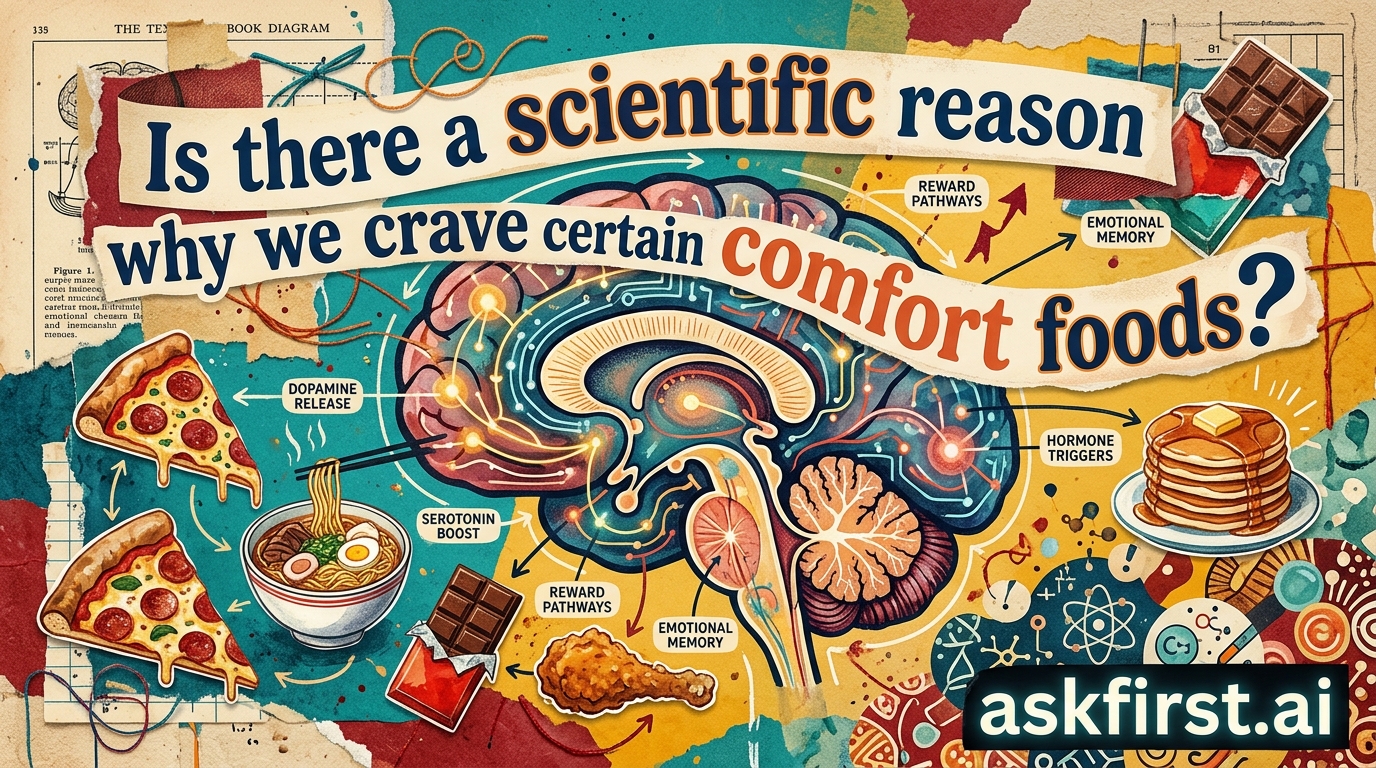
Comfort food cravings are essentially the brain's way of modulating emotional states through the release of specific neurochemicals. When we consume palatable foods—those rich in sugar, fat, or salt—the brain’s reward pathway, primarily the mesolimbic dopamine system, is activated. This is the same system that governs pleasure and reinforcement.
- Dopamine Release: Eating comfort food triggers a surge of dopamine in the nucleus accumbens, creating a temporary sense of pleasure and well-being.
- Endorphin Signaling: Certain fats can trigger the release of endogenous opioids, which help soothe emotional pain or physical discomfort.
- Serotonin Production: Carbohydrate intake facilitates the entry of tryptophan into the brain, which serves as a precursor to serotonin, the neurotransmitter responsible for mood stabilization.
By consuming these foods, the body is essentially attempting to self-medicate, using chemistry to regulate feelings of stress, loneliness, or fatigue.
Psychological and Environmental Triggers
Beyond biology, psychology plays a decisive role. The term 'comfort food' itself implies a link between food and psychological safety. This connection is often established in childhood, a phenomenon known as emotional conditioning. If a caregiver provides a specific dish—such as warm chicken soup or fresh cookies—during moments of distress or celebration, the brain creates a neural map linking that specific flavor profile to security and love. As adults, when we encounter stress, the brain attempts to recreate those comforting experiences by seeking out the same foods, even if we are not physically hungry.
The Stress-Cortisol Connection
Scientific research has identified a direct pathway between chronic stress and dietary choices. During stressful periods, the body produces high levels of cortisol. While cortisol is useful for immediate survival, prolonged elevation increases appetite, specifically for high-calorie, 'hyper-palatable' foods. This is often referred to as the 'stress-induced eating' cycle. The brain identifies cortisol as a signal that the body requires more energy to 'fight or flee,' even if the stressor is merely an impending deadline rather than a physical predator. Consequently, we reach for snacks that offer quick energy bursts.
Myth-Busting: Is It Addiction?
While the term 'food addiction' is frequently debated in the scientific community, researchers agree that certain foods can create 'addictive-like' behavior. Foods that are highly processed and engineered to have the 'bliss point'—the perfect ratio of sugar, salt, and fat—can override the body's natural satiety signals. This leads to a cycle of craving, consumption, and subsequent guilt, which further triggers the emotional need for more comfort food, completing a difficult-to-break loop.
How to Navigate Cravings Wisely
Understanding the science behind these urges allows for more mindful eating rather than reactive eating. Experts suggest several evidence-based approaches:
- Mindful Awareness: Pause when a craving hits and ask: 'Am I hungry, or am I stressed?' Identifying the root emotional trigger often mitigates the intensity of the craving.
- Strategic Substitution: Opt for nutrient-dense foods that offer a similar 'comfort' texture—such as roasted sweet potatoes instead of fries, or Greek yogurt with berries instead of processed ice cream.
- Stress Management: Since cortisol is a major culprit, non-food methods of stress reduction, such as physical exercise, deep breathing, or social interaction, can naturally raise serotonin levels without the caloric impact.
By decoding these biological and psychological signals, individuals can transition from being 'victims' of their cravings to being masters of their own nutritional choices. Science confirms that while our biology drives us toward comfort, our cognitive awareness empowers us to make healthier decisions.