The Neurobiological Connection Between Stress and Sugar
When a person experiences a long, stressful day, the brain undergoes a complex chemical transformation. The craving for sugar is not merely a lack of willpower; it is a profound biological survival mechanism that has been hardwired into the human species over millions of years. Understanding this phenomenon requires examining the interplay between the HPA axis (hypothalamic-pituitary-adrenal), cortisol levels, and the brain’s reward circuitry.
The Cortisol-Sugar Feedback Loop
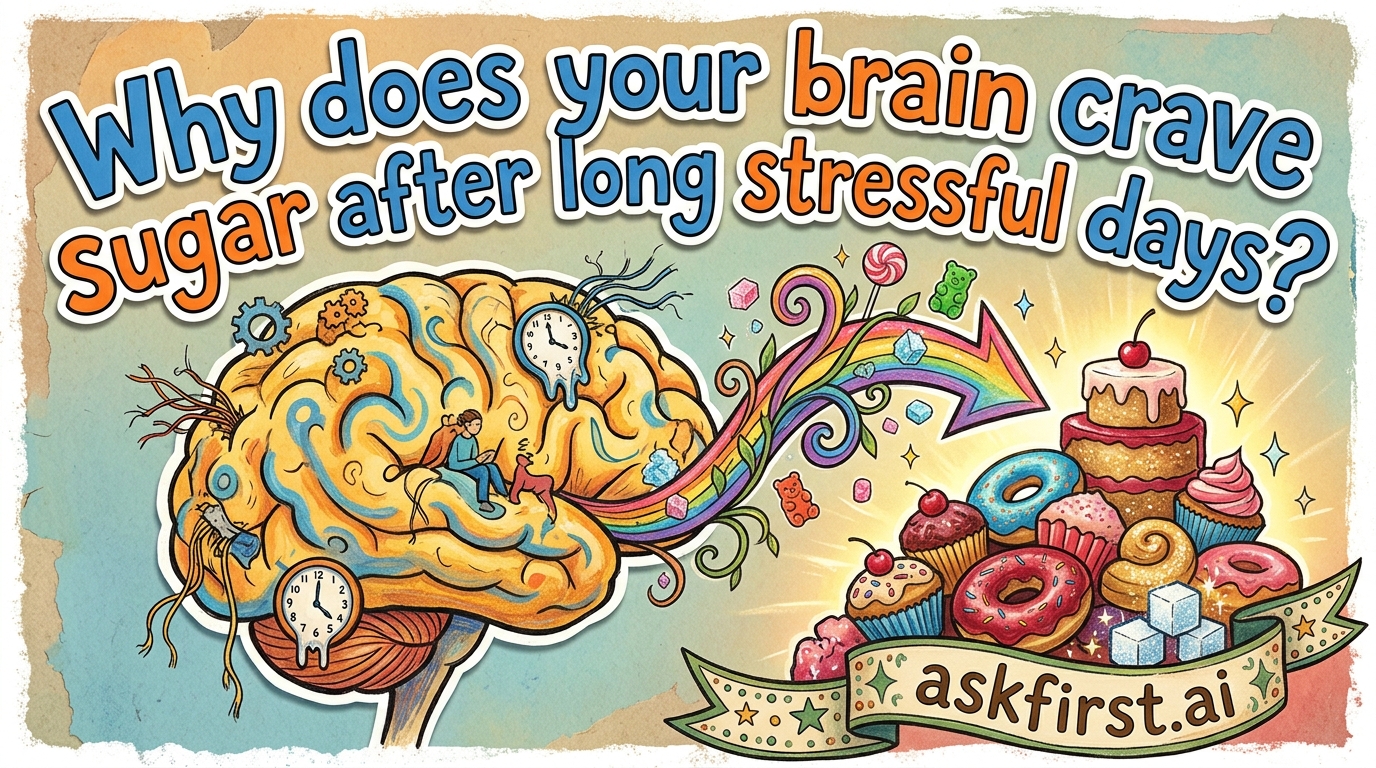
The HPA axis acts as the body's primary stress response system. When stress occurs, the adrenal glands release cortisol, often referred to as the 'stress hormone.' While cortisol is essential for preparing the body for 'fight or flight' scenarios, prolonged elevations of this hormone trigger an immediate physiological demand for energy. The brain is the most energy-intensive organ in the human body, consuming approximately 20% of its total glucose intake. Under stress, that demand spikes.
- Cortisol signals the body to mobilize glucose stores: To combat stress, the body attempts to provide a quick infusion of energy.
- The Brain demands fuel: As the brain identifies the stress as a threat, it signals a need for rapid glucose replenishment.
- The Dopamine connection: Sugar triggers the release of dopamine in the nucleus accumbens, the brain’s reward center. This creates a temporary feeling of relief or pleasure, effectively 'numbing' the emotional toll of stress.
Why Sugar Becomes the Preferred Target
The brain is wired for efficiency. In ancestral environments, finding calorie-dense, sweet foods was rare and vital for survival. Therefore, the brain developed a strong reward signal for sugar. In modern life, despite the abundance of refined carbohydrates, the brain’s primitive circuitry remains unchanged. When the brain is 'exhausted' by cognitive load, it seeks the fastest route to equilibrium. Refined sugar provides an almost instantaneous spike in blood glucose, which the brain interprets as a safety signal.
The Role of Neurotransmitters
Stress depletes vital neurotransmitters like serotonin. Interestingly, carbohydrate intake is one of the few ways the brain can increase serotonin production. Serotonin is a key regulator of mood and anxiety. When a person consumes sugar, the resulting insulin surge helps clear competing amino acids from the bloodstream, allowing tryptophan (a precursor to serotonin) to enter the brain more easily. Thus, the craving for sugar is, in part, an unconscious effort to medicate oneself against the depressive or anxious feelings induced by a hard day.
Breaking the Cycle: Strategic Interventions
Recognizing that this craving is biological allows for better management. Instead of relying on refined sugars that lead to insulin crashes, one can utilize more sustainable energy sources that satisfy the brain's needs without the subsequent negative feedback loop:
- Complex Carbohydrates: Foods like oats, quinoa, and sweet potatoes provide a slow release of glucose, maintaining stable brain function without the dopamine roller coaster.
- Hydration: Often, the brain misinterprets mild dehydration as fatigue or hunger. Drinking water can mitigate the false signal.
- Protein-Forward Snacks: Combining healthy fats and proteins—such as nuts or Greek yogurt—keeps the brain satiated and dampens the cortisol-induced urge for quick sugar.
- Mindfulness: Simple breathing techniques can interrupt the HPA axis activation, effectively lowering cortisol levels before the 'crave' signal becomes overwhelming.
Conclusion: The Evolutionary Paradox
It is important to remember that this craving is a testament to the brain's constant vigilance. Your brain is not 'failing' you by wanting sugar; it is trying to protect you based on ancient instructions. In a modern context, however, these instructions lead to an overconsumption of processed foods. By understanding the chemical signals of cortisol and the subsequent reward-seeking behavior of the dopamine system, individuals can move from being slaves to their biology to being conscious architects of their own nutritional health. Reframing the experience—from a failure of discipline to a biological request for replenishment—is the first step toward reclaiming control over daily dietary choices.