The Eternal Sweetness: Understanding Honey Longevity
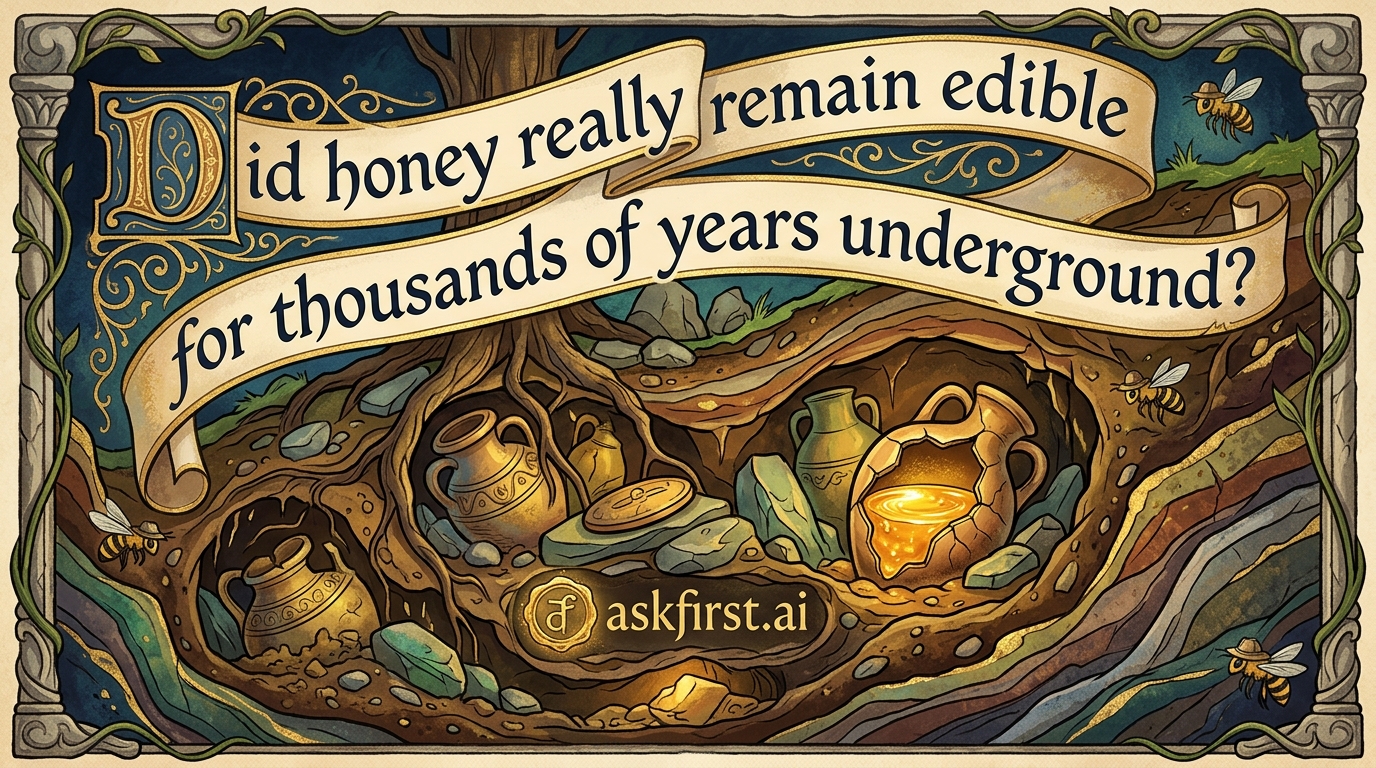
It is one of the most fascinating facts in the world of biology and food chemistry: honey is essentially the only food that never expires. Archaeologists have famously discovered pots of honey in ancient Egyptian tombs, dating back over 3,000 years, that remain theoretically edible today. While the prospect of consuming 3,000-year-old food may seem daunting, the scientific explanation behind this preservation is a masterpiece of natural engineering.
Why Honey Defies Decay
The secret to honey’s immortality lies in a unique combination of its chemical composition and the industrious behavior of bees. Several key factors work in harmony to create an environment where bacteria, mold, and other microorganisms simply cannot survive.
- Low Moisture Content: Honey is naturally hygroscopic, meaning it contains very little water in its raw state. Bacteria and yeast require moisture to thrive and reproduce. Because honey is so concentrated with sugars, it effectively dehydrates any microorganism that attempts to colonize it.
- High Acidity: Honey possesses a pH level typically between 3 and 4.5. This level of acidity is sufficient to kill off most bacteria that would otherwise cause food spoilage.
- Hydrogen Peroxide: During the process of making honey, bees secrete an enzyme called glucose oxidase. When this enzyme mixes with nectar, it breaks down into gluconic acid and hydrogen peroxide. This natural hydrogen peroxide acts as a potent antibacterial agent, creating a protective barrier against spoilage.
The Role of Bees
Bees are not merely honey producers; they are alchemists. By constantly flapping their wings, bees induce evaporation to remove excess water from nectar. This reduction of water content from roughly 70 percent down to less than 18 percent is the critical step in making the product shelf-stable. Without this active dehydration, the nectar would naturally ferment into mead within days. Instead, through the bees' collective effort, a stable, supersaturated sugar solution is created.
Can It Really Last Forever?
While honey is remarkably resistant to spoilage, there are conditions that can affect its quality over time. Even though it is chemically stable, honey can undergo physical changes:
- Crystallization: This is the most common "issue" consumers encounter. Crystallization is a natural process where glucose molecules drop out of the supersaturated solution and form crystals. Contrary to popular belief, crystallization does not mean the honey has spoiled. It is merely a change in texture. Gentle heating in a water bath can return the honey to its liquid state easily.
- Absorption of Moisture: Honey is hygroscopic, meaning it loves to soak up water. If a jar is left open, the honey can absorb humidity from the air. If the water content rises above 18-20 percent, it can start to ferment. Therefore, proper storage—a tightly sealed container in a cool, dry place—is essential for maintaining longevity.
Historical Evidence and Modern Reality
The discovery of ancient honey in Egyptian tombs serves as the ultimate test of its shelf life. When these vessels are unearthed, the honey is often found darkened and crystallized, but remarkably, it is not decayed. Lab analysis has shown that the chemical profile remains largely intact, even after millennia. It is a testament to the fact that nature provides its own perfect preservation techniques without the need for synthetic additives or refrigeration.
How to Identify Quality Honey
When looking for honey that will last indefinitely, the processing method matters significantly. Commercially processed honey is often ultra-filtered and pasteurized. While this prevents rapid crystallization and makes the honey look clearer on a supermarket shelf, the high heat used in pasteurization can destroy many of the beneficial enzymes and antioxidants that define natural honey. Raw, unfiltered honey is more likely to contain trace amounts of pollen and propolis, which are considered highly nutritious and provide the genuine, complex flavors intended by the bees.
Conclusion
Honey’s ability to remain edible for thousands of years is not just a parlor trick; it is a profound lesson in chemistry and survival. Through the meticulous process of nectar reduction, enzymatic activation, and physical concentration, bees have engineered a food source that is immune to the march of time. Whether stored for a month or a millennium, honey stands as a symbol of endurance, proving that with the right combination of natural conditions, decay is entirely avoidable. So, the next time a jar of honey crystallizes in the pantry, there is no need for alarm. Simply warm it up and enjoy a food source that has been perfected by nature over millions of years of evolution.