The Eternal Nature of Honey: Nature’s Biological Miracle
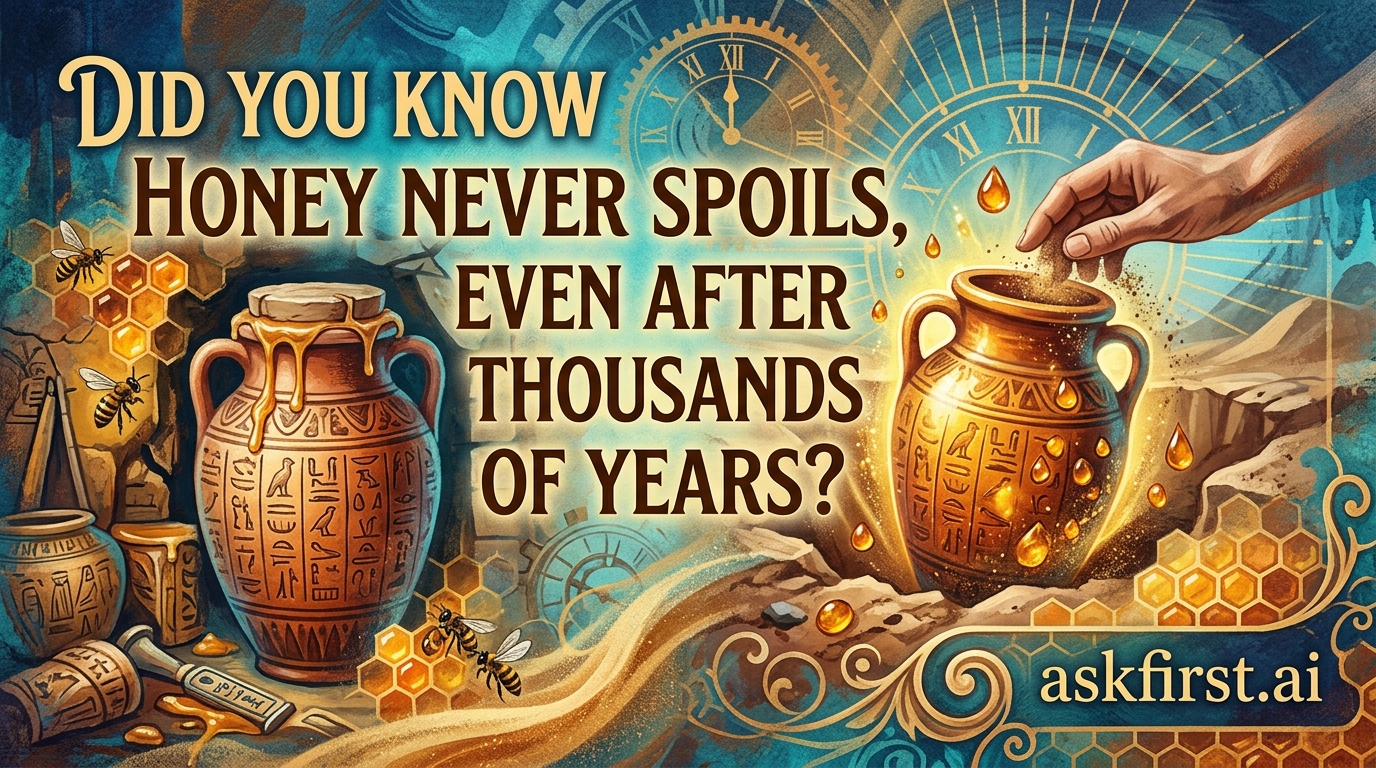
Honey, often referred to as liquid gold, is one of the few food substances on Earth that carries the distinction of being essentially immortal. Archeologists excavating ancient Egyptian tombs have discovered pots of honey dating back over 3,000 years that remain perfectly edible. While the appearance might shift over time—shifting from a clear, viscous liquid to a cloudy, crystallized solid—the chemical integrity of the substance remains steadfast. This phenomenon is not magic; it is a masterpiece of biological and chemical engineering refined by millions of years of evolution.
Why Honey Defies Decay: The Triple Defense Mechanism
The longevity of honey is attributed to a unique combination of factors that create an environment entirely hostile to bacteria, fungi, and other microorganisms that typically cause food to spoil. This defense system consists of three main pillars:
- Low Moisture Content: Honey is naturally hygroscopic, meaning it contains very little water in its natural state. Most bacteria require a moisture-rich environment to thrive. Honey draws water out of bacterial cells via osmosis, effectively dehydrating and neutralizing them before they can colonize.
- Extreme Acidity: The pH level of honey typically ranges between 3 and 4.5. This high acidity is sufficient to inhibit the growth of most pathogens. Most bacteria and microorganisms find this acidic environment impossible for survival or reproduction.
- The Hydrogen Peroxide Factor: When bees collect nectar, they mix it with an enzyme called glucose oxidase from their hypopharyngeal glands. When applied to the nectar, this enzyme breaks down into gluconic acid and hydrogen peroxide. Hydrogen peroxide serves as a powerful antiseptic agent, acting as a chemical shield against airborne microbes.
The Crystallization Myth: Busting Common Misconceptions
A common misconception is that honey 'goes bad' when it turns grainy or solid. This process, known as crystallization, is entirely natural and has nothing to do with the spoilage of the product. Crystallization is simply a physical change where the glucose in the honey precipitates out of the supersaturated solution, forming small, sugary crystals. Factors such as the floral source, the storage temperature, and the presence of microscopic particles like pollen or wax play a role in how fast crystallization occurs. To return the honey to its liquid state, one simply needs to place the jar in a warm water bath. Gentle heating dissolves the crystals without damaging the nutrient profile or the flavor integrity of the honey.
Storage Best Practices for Longevity
While honey is technically immortal, its quality can be maintained optimally through proper storage. To keep honey in its pristine state, follow these professional guidelines:
- Airtight Containers: Exposure to air introduces humidity. Because honey is hygroscopic, it will absorb moisture from the atmosphere if left unsealed. This can raise the water content above the critical threshold, potentially allowing fermentation to occur. Always ensure the lid is screwed on tightly after each use.
- Temperature Consistency: Store honey at room temperature. Extreme fluctuations in temperature can accelerate the rate of crystallization. Avoid placing honey in the refrigerator, as cold temperatures speed up the transition from liquid to solid.
- Use Clean Utensils: Introducing foreign substances, such as bread crumbs or butter residue, can introduce foreign bacteria or yeast into the jar. While honey is antimicrobial, the introduction of non-honey organic matter can compromise the purity of the stored batch over time. Always use a clean, dry spoon.
Conclusion: A Legacy of Preservation
The fact that honey can endure for millennia without a refrigerator or chemical preservatives is a testament to the sophistication of the natural world. It serves as a reminder that nature often holds the solutions to preservation and health that human technology continues to study. Whether utilized as a natural sweetener, a medicinal balm for wounds due to its antibacterial properties, or a cultural staple, honey stands as a timeless example of biological resilience. As one looks toward the future, the enduring nature of this golden nectar reminds the modern consumer that some of the greatest treasures are those which are essentially unchangeable by the passing of time.