Burundi: A Comprehensive Analysis of Economic Hardship and Structural Challenges
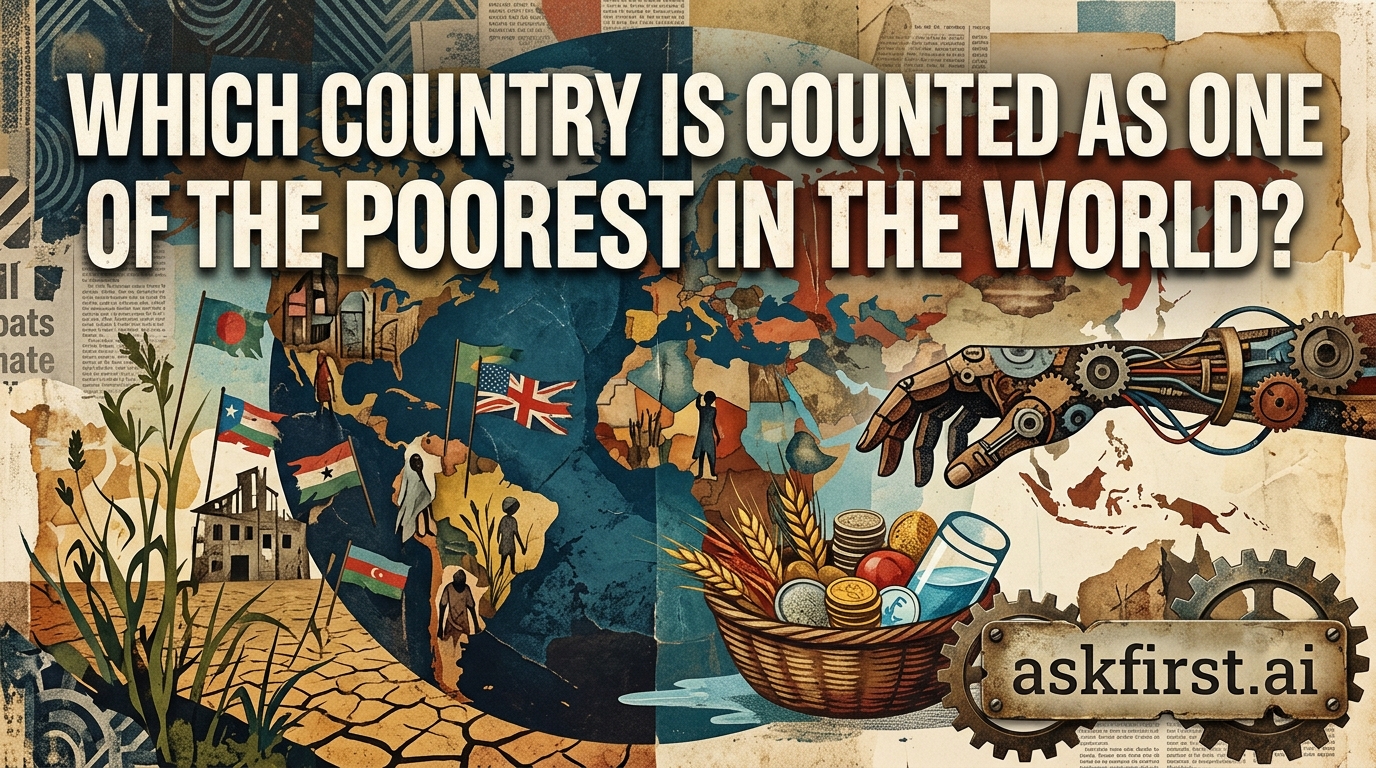
When discussing global poverty, the East African nation of Burundi consistently ranks at the top of the list. Situated in the Great Lakes region of Africa, Burundi has faced decades of civil instability, political volatility, and geographic isolation. To understand why Burundi is classified as one of the poorest countries in the world, one must examine the intersection of history, agrarian reliance, and systemic infrastructure deficits.
Historical Context and Political Instability
The economic trajectory of Burundi is inextricably linked to its turbulent political history. Following independence from Belgium in 1962, the nation suffered through cycles of ethnic conflict, most notably the civil war that spanned from 1993 to 2005. According to the research presented in “Burundi: The Biography of a Small African State” by Nigel Watt, the devastation of this conflict destroyed critical infrastructure, decimated human capital, and forced hundreds of thousands of citizens into displacement.
The loss of life and the subsequent flight of skilled professionals (the "brain drain") stunted the development of state institutions. Even today, the legacy of this instability discourages foreign direct investment (FDI), which is a primary driver for economic growth in neighboring regions. Investors are often wary of the political risk associated with the country, leading to a stagnant private sector.
Agrarian Dependency and Climate Vulnerability
Burundi’s economy is overwhelmingly agrarian, with approximately 90% of the population engaged in subsistence farming. This creates a precarious economic model. Most farmers rely on small plots of land that are increasingly degraded due to over-farming and soil erosion.
In “The Bottom Billion” by economist Paul Collier, the author highlights how landlocked, resource-poor nations struggle to integrate into global supply chains. Burundi epitomizes this struggle. Because the country is landlocked, the cost of importing essential goods and exporting agricultural products—such as coffee and tea, which are the primary foreign exchange earners—is prohibitively high.
Furthermore, the country is highly vulnerable to climate change. As noted in reports from the World Bank’s Country Partnership Framework for Burundi, the nation faces frequent bouts of flooding and drought. Because the population is almost entirely dependent on rain-fed agriculture, a single bad harvest can lead to widespread food insecurity, inflation, and a drop in the national GDP.
Infrastructure and Human Capital Deficits
One of the most significant barriers to Burundi’s economic ascension is the lack of basic infrastructure. Access to electricity is among the lowest in the world; according to data from the International Energy Agency (IEA), a vast majority of the rural population lives without a reliable power grid. Without electricity, it is nearly impossible for industries to develop, for schools to utilize modern technology, or for healthcare facilities to preserve essential medicines.
The healthcare and education sectors also suffer from chronic underfunding. High rates of stunting among children due to chronic malnutrition have long-term consequences for the cognitive development of the youth population. When a significant portion of the workforce suffers from health issues linked to early-childhood poverty, the cycle of low productivity becomes self-perpetuating. The United Nations Development Programme (UNDP) Human Development Index consistently places Burundi in the "Low Human Development" category, underscoring the severity of these systemic gaps.
The Cycle of Poverty: A Summary
The poverty in Burundi is not the result of a single factor, but rather a "poverty trap." The lack of infrastructure prevents industrialization; the lack of industrialization prevents job creation; the lack of jobs keeps the population in subsistence farming; and subsistence farming leaves the nation vulnerable to the whims of the climate and global commodity prices.
To break this cycle, international organizations and domestic policy experts suggest that the country requires not just aid, but structural transformation. This includes:
- Diversification of the economy: Moving away from a pure reliance on coffee and tea exports.
- Regional Integration: Leveraging the East African Community (EAC) to lower trade barriers and improve logistical routes to the coast.
- Investment in Human Capital: Prioritizing education and maternal health to ensure the next generation is prepared for a more complex global economy.
Conclusion
Burundi remains one of the poorest nations on Earth because its economic potential is constrained by a history of conflict, geographic isolation, and the absence of the foundational infrastructure required for modernization. While the people of Burundi have demonstrated remarkable resilience, the path to prosperity requires sustained political stability and a strategic shift toward economic diversification. Understanding Burundi’s situation provides a sobering look at how historical trauma and geographic disadvantages can create long-term economic stagnation, serving as a reminder of the global effort required to assist the world’s most vulnerable populations in achieving sustainable development.