The Phenomenon of Anemoia: A Deep Dive into Synthetic Nostalgia
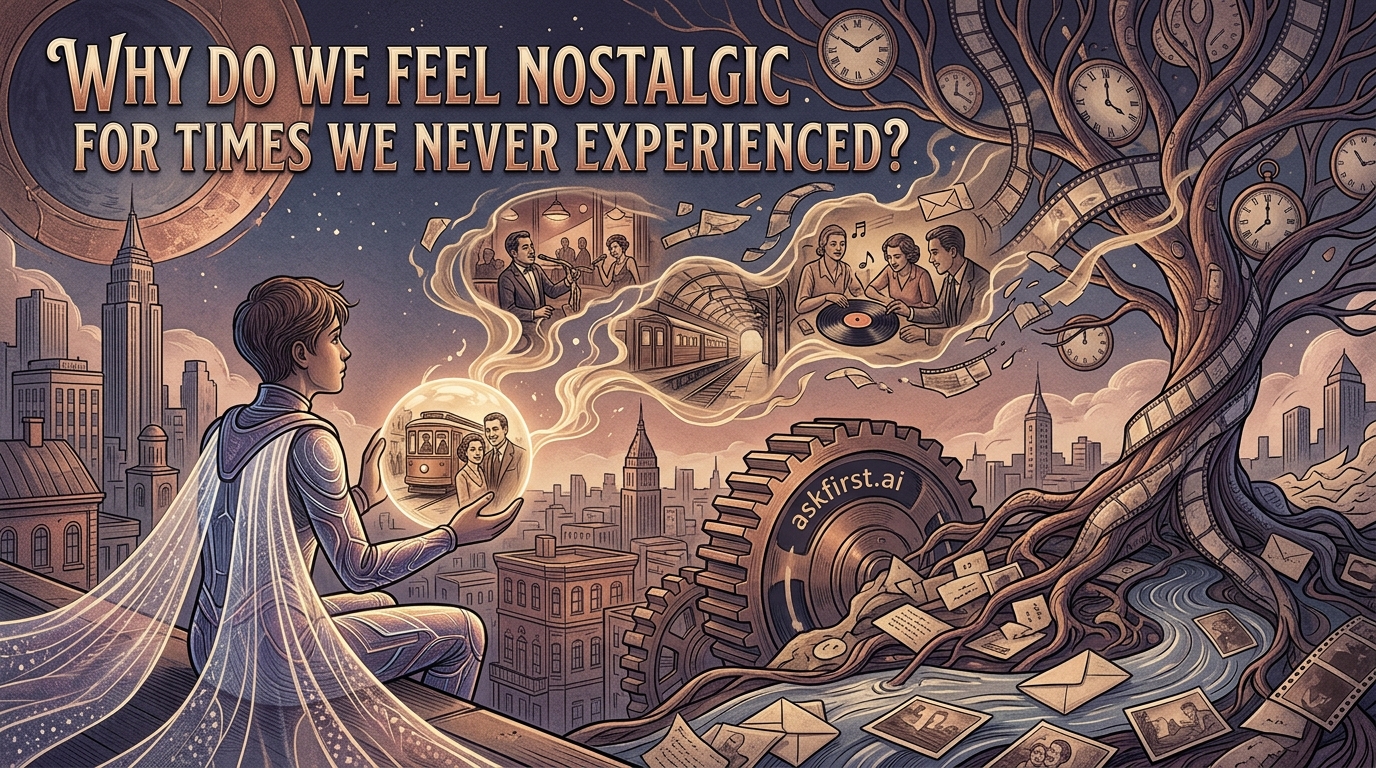
Nostalgia, traditionally defined as a sentimental longing for one’s own past, has undergone a fascinating evolution in the modern era. We now frequently encounter a phenomenon known as anemoia—a term coined to describe the intense longing for a time one never actually lived through. This paradoxical emotion suggests that our connection to the past is not merely biographical, but cultural and imaginative.
The Psychology of Imagined History
The human brain is a master at constructing narrative structures. When we consume media, literature, or historical accounts, our cognitive systems do not just store data; they synthesize experiences. According to psychologists, this is driven by collective memory and the human desire for a perceived 'simpler' existence. We often romanticize eras like the 1920s or the 1970s, stripping away the hardships of those times—such as lack of modern medicine, systemic inequalities, or economic instability—to focus on the aesthetic and social tropes that appeal to our contemporary sensibilities.
- Cognitive Idealization: We tend to filter out negative stimuli when imagining the past, creating a 'golden age' narrative.
- The Escapism Factor: Modern life is defined by hyper-connectivity and information overload. The past represents a world where life was perceived as slower, more tangible, and less frantic.
- Aesthetic Appeal: The visual and auditory cues of specific decades, such as analog technology, specific fashion silhouettes, or film grain, trigger a sensory aesthetic that we find inherently calming or charming.
Why Culture Feeds the Anemoia Cycle
Cultural industries play a massive role in perpetuating this longing. Think of the surge in popularity for retro-futurism or the constant cycles of fashion and music revivals. When a television show recreates a bygone era with high production value, it provides a curated version of history that is far more palatable than reality. This is not necessarily dishonest; it is a creative tool that allows audiences to project their current anxieties and desires onto a backdrop that feels safer.
- Media Saturation: Streaming platforms and social media platforms actively curate retro content, which reinforces the desire for these past 'vibes.'
- Symbolic Identification: Individuals often align themselves with the 'vibe' of a past era as a form of self-expression. It creates a bridge between their current identity and an aesthetic they find aspirational.
Scientific Perspectives on Time Perception
From a neurological standpoint, the brain struggles to distinguish between high-quality imagery of the past and personal memory. If the sensory input is evocative enough, the brain’s limbic system can trigger an emotional response akin to real reminiscence. This is a testament to the power of our episodic memory simulation. We are essentially 'remembering' narratives we have consumed as if they were personal experiences.
- Narrative Transportation: When we get deeply lost in a story, our psychological state shifts to match the environment of the protagonist.
- Emotional Anchoring: By associating certain music, clothing, or cultural artifacts with a specific time, we anchor our emotional state to an era we feel 'belongs' to us in spirit.
The Role of Modern Discontent
It is essential to acknowledge that anemoia is often a reaction to the present rather than a genuine appreciation of the past. As societal technological acceleration continues, humans instinctively seek stability. The past, being finished and categorized, offers a degree of perceived certainty. Unlike the unknown future, the past is a 'closed system'—it cannot change, it cannot surprise us with new threats, and it feels like a finished manuscript we can revisit at our leisure.
Conclusion: Embracing the Paradox
Feeling nostalgic for a time we never lived is a hallmark of the human capacity for empathy and imagination. It proves that we are not confined by the limits of our own lifespan. Instead, we possess the remarkable ability to inhabit history through art, media, and human connection. Whether it is a yearning for the jazz clubs of the twenties or the neon aesthetics of the eighties, this feeling serves as a bridge, allowing us to borrow the best parts of history to enrich our current lives. Ultimately, anemoia is not a sign of being 'stuck' in the wrong time, but a creative exploration of the human experience across centuries.