The Neurobiology of Emotional Processing During Sleep
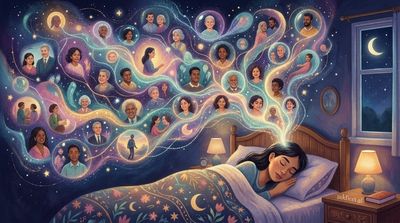
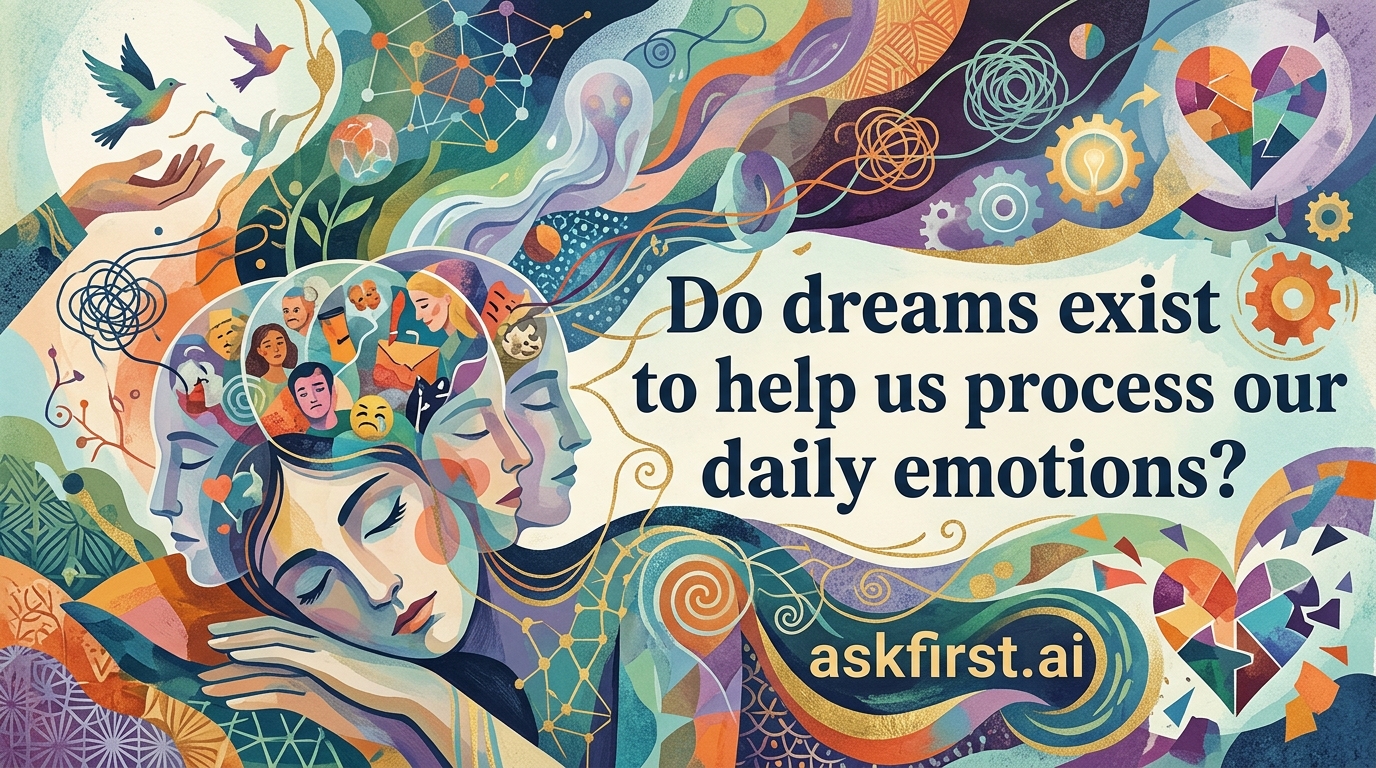
The human brain does not simply shut down when consciousness fades at night; instead, it embarks on a complex, nocturnal maintenance protocol. One of the most compelling theories in neuroscience is that the dream state, particularly during Rapid Eye Movement (REM) sleep, serves as an overnight therapy session. During this time, the brain extracts emotional information from the day's experiences, strips away the distressing context, and integrates the knowledge into the existing neural architecture.
The REM Sleep Mechanism
REM sleep is characterized by high levels of brain activity, mimicking wakefulness, yet the brain undergoes a profound chemical shift. Specifically, levels of noradrenaline—a neurotransmitter associated with stress and arousal—are virtually non-existent in the brain during REM sleep. When individuals dream about a challenging experience from the previous day, they are essentially replaying that memory in a 'de-stressed' chemical environment. This allows the amygdala, the brain's emotional center, to process the event without the physiological 'fight or flight' response that accompanies the actual occurrence. This hypothesis, championed by researchers like Matthew Walker, suggests that dreams act as a nocturnal buffer, ensuring that the next morning, the emotional edge of yesterday's problems is significantly dulled.
The Evidence: Memory Consolidation and Regulation
Research indicates that sleep is essential for the consolidation of emotional memories. When subjects are exposed to negative stimuli in laboratory settings and then allowed to enter REM sleep, they exhibit significantly better emotional regulation the following day compared to those who are sleep-deprived. The brain creates 'associative webs' between new emotional experiences and older, stored memories. This integration helps in providing context to new frustrations, making the world seem more predictable and manageable. By effectively 'sorting' emotions, the brain prevents the accumulation of emotional baggage that could otherwise lead to psychological fatigue.
Myths vs. Scientific Reality
Many misconceptions surround the nature of dreams. Some believe dreams are purely random neural firings—a theory known as the 'Activation-Synthesis Model.' However, modern evidence suggests that while neural activity is indeed high, the content of these dreams is rarely random. It is often thematic, focusing on unresolved conflicts or repetitive patterns of thought. Dreams are not just meaningless noise; they are the result of the brain's attempt to synthesize personal narratives from fragmented sensory inputs and emotional triggers.
- Emotional Resilience: Consistent REM cycles are linked to higher levels of emotional intelligence and adaptability.
- Cognitive Restructuring: Dreams allow for the testing of social scenarios in a safe environment, facilitating better responses to real-world triggers.
- Problem-Solving: The creative, non-linear nature of dream imagery often leads to 'Aha!' moments where solutions to complex emotional dilemmas are found.
Practical Applications for Daily Life
To leverage this nightly emotional processing, one must prioritize sleep hygiene. Interrupting sleep cycles—whether through alcohol consumption, caffeine, or irregular schedules—can truncate REM periods. When REM sleep is shortened, the brain fails to complete its emotional 'housekeeping.' This can lead to increased irritability, decreased focus, and a heightened sensitivity to stress.
- Consistent Schedules: Maintaining a regular bedtime ensures the brain has sufficient time to enter deep REM phases.
- Stress Reduction: Practicing mindfulness before bed can prime the brain to focus on positive or neutral emotional themes during the night.
- Reflective Journaling: Writing down thoughts before sleeping can signal to the brain which topics are prioritized for processing.
Conclusion
Dreams are far more than idle fantasies; they are the brain’s sophisticated tool for maintaining mental equilibrium. By converting raw, overwhelming emotional inputs into integrated, stored wisdom, the dream state ensures that human beings remain resilient in the face of a changing environment. Understanding that dreams are a physiological necessity for emotional health changes the way sleep is perceived: it is not a luxury, but a vital biological investment in tomorrow's mental stability.