The Neurological Symphony of Memory Recall
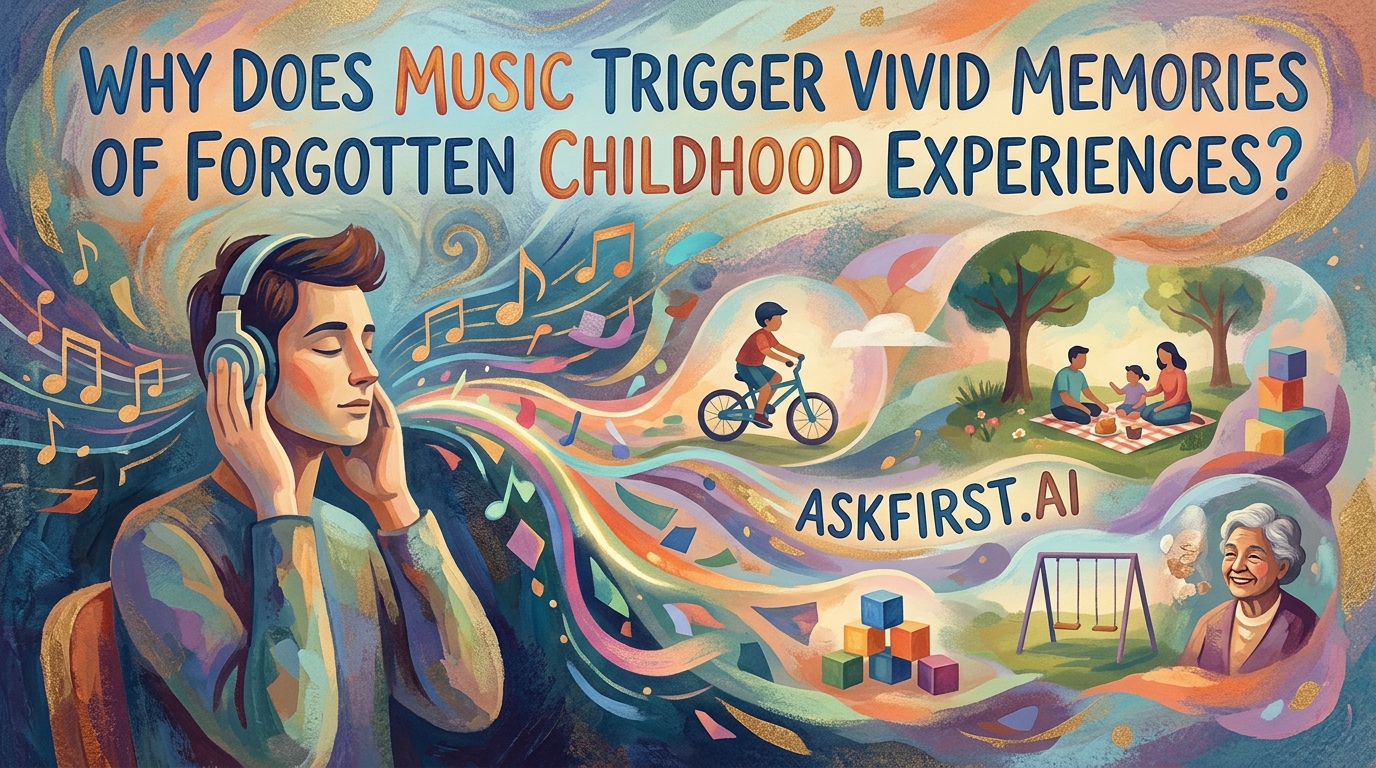
The phenomenon of music triggering deeply buried childhood memories is rooted in the complex, interconnected architecture of the human brain. Unlike other sensory inputs, auditory stimuli—specifically music—interact with multiple neurological systems simultaneously, creating a "neural resonance" that acts as a potent retrieval cue. When a specific melody or chord progression from one's formative years is heard, the brain initiates a cascade of activity that bypasses the limitations of conscious, verbal memory recall.
The Limbic System and the Soundtrack of Life
The primary driver of this experience is the Limbic System, the emotional epicenter of the brain. Within this structure lies the amygdala, which processes emotions, and the hippocampus, which is responsible for forming and storing long-term memories. Music has a unique ability to bridge these two structures. Studies have shown that when music triggers an emotional reaction, the amygdala is activated, which then signals the hippocampus to prioritize the encoding and retrieval of the associated environmental context. This is why a song heard in the backseat of a car during a family trip in 1995 can instantly conjure the smell of the upholstery, the feeling of the sunlight, and the exact mood of that afternoon.
The Medial Prefrontal Cortex Connection
Recent neuroimaging research has identified the Medial Prefrontal Cortex (mPFC) as a critical hub in this process. This area of the brain is essentially the last to atrophy in neurodegenerative conditions, explaining why music therapy remains effective for patients with memory loss. In healthy brains, the mPFC sits at the intersection of autobiographical memory, emotion, and music processing. When a "nostalgic" song plays, this area lights up, creating a direct path between the auditory cortex and the archives of one's identity. This process is often involuntary, occurring before the conscious mind can even process what is happening.
Why Music Overpowers Other Sensory Cues
While scents (the olfactory system) are also powerful memory triggers due to their proximity to the limbic system, music possesses a distinct advantage: temporal structure. Music is a time-bound medium. Because our brains learn to predict the rhythm, tempo, and melody of a song, we are essentially "re-experiencing" the song in real-time as it plays. This temporal alignment allows the brain to synchronize its internal state with the state it was in when the memory was initially formed. Key aspects that facilitate this include:
- Rhythmic Entrainment: The brain's tendency to sync its internal rhythms (brain waves) with external pulses, which keeps the retrieval process locked in time.
- Emotional Valence: Music acts as an emotional shortcut. A happy song can drag a forgotten, joyful memory into the present, whereas a slower, minor-key piece might unlock a more contemplative, perhaps long-forgotten, reflective moment.
- Self-Reference Effect: Because music is so often tied to our personal identity and formative experiences, we process it through the lens of "self," making the memory storage far deeper than passive sensory input.
The Science of "Flashbulb" Memory
Childhood experiences often involve "flashbulb" memories—highly detailed, vivid snapshots of events that occurred during periods of intense emotional arousal or cognitive growth. Music is the scaffolding upon which these snapshots are hung. During childhood, the brain is in a state of high neuroplasticity. Consequently, the associations formed between music and life events during those years are more durable than those formed in adulthood. Once a neural pathway is reinforced by the combination of an auditory stimulus and a specific life experience, it becomes a permanent part of the brain's long-term storage network.
Practical Applications and Future Implications
Understanding this biological mechanism is not merely an academic exercise; it has profound implications for education, psychology, and cognitive rehabilitation. By leveraging the power of music, educators can help children encode complex information by embedding it within rhythmic or melodic structures. Similarly, in the clinical world, "personalized music playlists" are being used to help individuals reconnect with their sense of self. The sheer ability of a four-minute pop song to bypass decades of "noise" and land us squarely in the heart of our own childhood serves as a reminder of the incredible, resilient complexity of the human mind.