The Science of Eternal Honey: Why Nature's Gold Lasts Forever
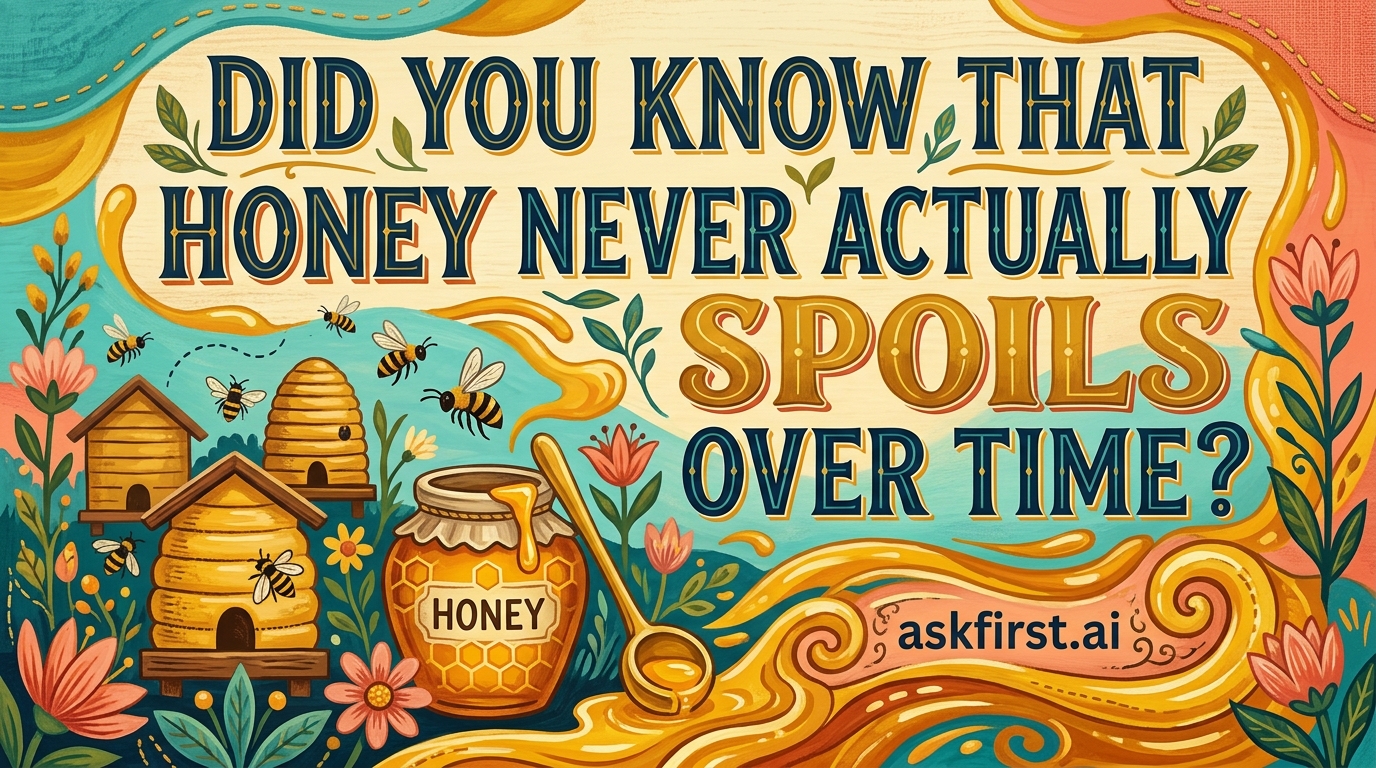
Honey is one of the most remarkable substances produced in the natural world. Often referred to as 'nature's gold,' it is a complex, supersaturated sugar solution that has captivated humans for millennia. Archaeologists have even uncovered pots of honey in ancient Egyptian tombs that are over 3,000 years old and remain perfectly edible. While the texture might crystallize, the chemical composition remains remarkably stable.
The Triple Threat Against Spoilage
The secret to honey’s longevity lies in a precise combination of chemical and physical properties that prevent the growth of bacteria, fungi, and other microorganisms that typically lead to food decay. These protective mechanisms are as follows:
- Low Moisture Content: Honey is naturally hygroscopic, meaning it contains very little water. Most bacteria and microorganisms require a moist environment to thrive and replicate. Because honey has such a low water content, it effectively dehydrates any bacteria that attempt to invade it, causing them to perish.
- High Acidity: Honey has a pH level that typically ranges between 3 and 4.5. This level of acidity is sufficient to kill off most forms of bacteria. The acidic environment acts as a chemical barrier, creating an inhospitable terrain for microbial development.
- Hydrogen Peroxide Infusion: During the process of honey production, bees add an enzyme called glucose oxidase to the nectar. When this enzyme breaks down the sugars in the honey, it creates hydrogen peroxide as a byproduct. Hydrogen peroxide is a well-known antiseptic that serves as a powerful antimicrobial agent, effectively neutralizing pathogens before they can establish a foothold.
The Role of Osmotic Pressure
Beyond simple chemical composition, the physics of honey plays a crucial role. Honey exerts extreme osmotic pressure. Because it is so dense with sugars, it pulls water molecules out of the cells of any invading microbe. By stripping these cells of their necessary moisture through the process of osmosis, the honey renders the microorganisms inert. Without liquid water to utilize for their metabolic processes, bacteria and yeast simply cannot reproduce, effectively keeping the honey sterile indefinitely.
Addressing Crystallization: A Common Myth
Many consumers mistakenly believe that honey has spoiled when they observe it turning thick, cloudy, or grainy. This process is known as crystallization. It is important to emphasize that crystallization is a natural, physical change, not a sign of spoilage. Honey is a supersaturated solution of glucose and fructose. Over time, the glucose molecules naturally drop out of the liquid solution and form solid crystals. The speed of this process depends on the floral source of the honey and the storage temperature. To reverse crystallization, one simply needs to place the jar in a warm water bath; gentle heat will dissolve the crystals and restore the honey to its original liquid state without compromising its nutritional profile.
Proper Storage for Long-Term Preservation
While honey is technically eternal, its quality can be maintained optimally through correct storage practices. To ensure the best flavor and texture over many years:
- Keep it Sealed: Because honey is hygroscopic, it will absorb moisture from the air if left uncovered. Absorbing too much ambient moisture could eventually increase the water content enough to allow yeast to grow, which would cause the honey to ferment.
- Avoid Extreme Heat: High temperatures can darken the honey and alter its delicate flavor profile, often referred to as 'caramelization.'
- Store in Glass: Glass containers are non-reactive and provide the best barrier against environmental contaminants.
Conclusion: A Testament to Nature's Engineering
Honey is a masterpiece of biological engineering. Through the synergy of low water activity, high sugar concentration, acidic pH, and the production of hydrogen peroxide, bees have created a food source that transcends the limitations of typical organic matter. It remains one of the few items in the human pantry that can truly last for a lifetime—and beyond. Whether used for its culinary versatility or its historical significance, honey stands as a profound example of nature’s ability to create stability in an otherwise decaying world.