The Eternal Nature of Honey: Nature's Culinary Miracle
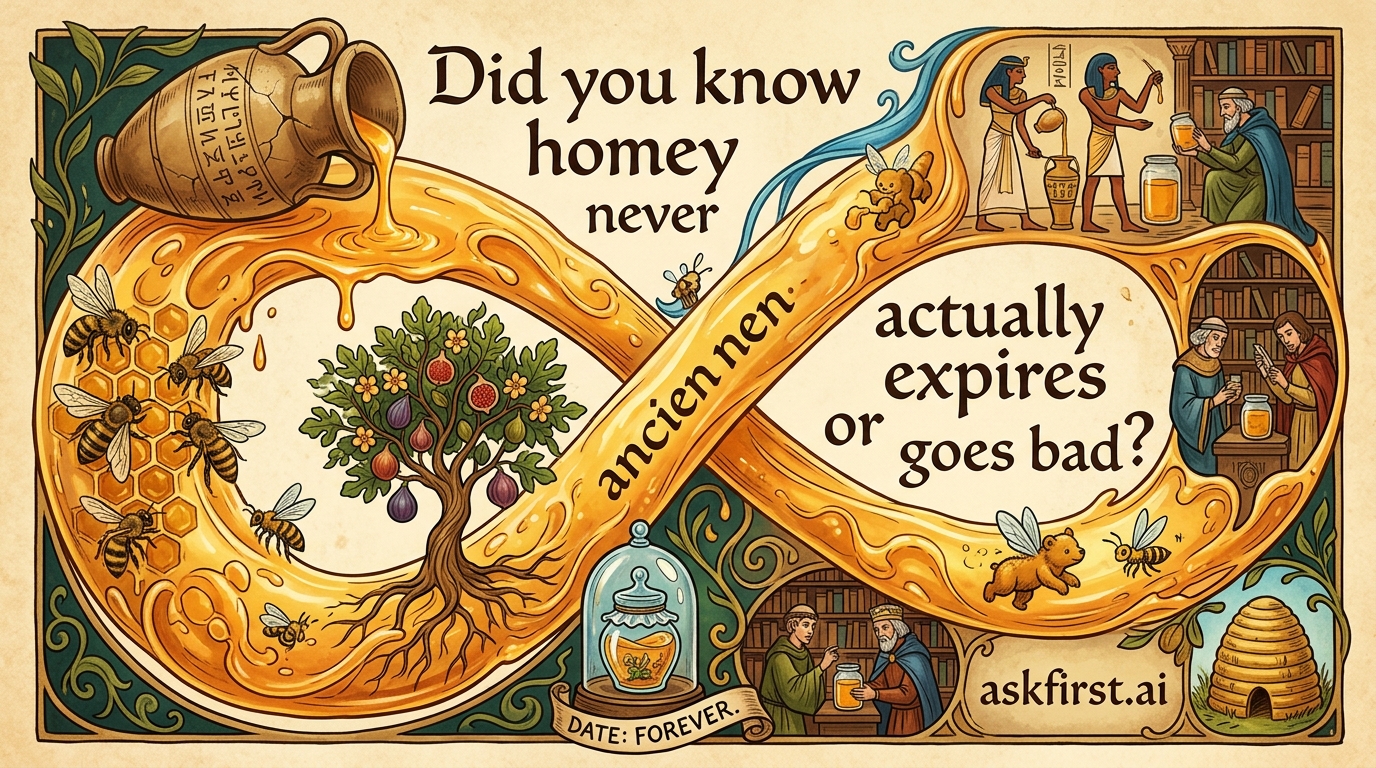
Honey is widely regarded as one of the most remarkable substances on Earth, functioning as both a delicious natural sweetener and a long-standing mystery of chemistry. It is perhaps the only food product discovered by archaeologists in ancient Egyptian tombs—dating back over 3,000 years—that remains perfectly edible and safe to consume. This extraordinary longevity is not magic; rather, it is the result of a precise combination of biological, chemical, and physical factors working in perfect harmony.
The Chemical Trifecta of Preservation
The ability of honey to resist spoilage indefinitely is primarily attributed to three unique properties that create an environment inhospitable to microorganisms, bacteria, and fungi:
- Low Moisture Content: Honey is naturally hygroscopic, meaning it contains very little water. Most microbes require a significant amount of moisture to thrive and multiply. In honey, the water content is so minimal that any bacteria attempting to enter the substance undergo a process called osmosis, where the honey draws the water out of the microbe, effectively dehydrating and killing it.
- Acidity: Honey is naturally acidic, with a pH level typically ranging between 3 and 4.5. This level of acidity is sufficient to inhibit the growth of most spoilage-causing pathogens that would otherwise flourish in a neutral environment.
- Hydrogen Peroxide: During the process of turning nectar into honey, bees add an enzyme called glucose oxidase to the nectar. This enzyme breaks down over time into hydrogen peroxide, which acts as a powerful antibacterial agent. This compound creates a chemical barrier against infection and decomposition.
The Role of the Honeybee
The manufacturing process itself is a masterclass in biological engineering. Bees collect nectar, which contains high levels of water. Back in the hive, they work in concert to dehydrate this nectar. By flapping their wings at incredible speeds, they facilitate the evaporation of water. Once the moisture level is reduced to below 18 percent, the bees seal the honeycomb cells with wax. This airtight seal prevents moisture from re-entering, effectively "canning" the honey in its own protective shell.
Addressing the Crystallization Myth
Many consumers mistakenly believe that honey has gone bad when it becomes thick, cloudy, or grainy. This process is known as crystallization. It is crucial to understand that crystallization is a completely natural physical change, not an indicator of expiration. It occurs because honey is a supersaturated solution of sugars, primarily glucose and fructose. Over time, the glucose molecules drop out of the liquid solution and form crystals.
- How to reverse crystallization: If the honey turns hard, simply place the jar in a bowl of warm water. Gently heat the water—never boiling—and stir the honey until the crystals dissolve and the substance returns to its smooth, liquid state. This process does not alter the nutritional value or the quality of the honey in any way.
Proper Storage and Quality Maintenance
While honey has an indefinite shelf life, its quality can be maintained best through proper storage. To keep honey at its absolute best for years to come:
- Keep it Sealed: Because honey is hygroscopic, it will absorb moisture from the air if left open. This absorption can potentially lower the acidity and raise the water content, making it susceptible to fermentation. Always ensure the lid is tight.
- Store at Room Temperature: Honey should be kept in a cool, dark place, such as a pantry. Extreme heat or direct sunlight can darken the honey and alter its flavor profile, though it will still remain safe to eat.
- Use Clean Utensils: Introducing foreign substances, such as crumbs or moisture from a used spoon, can introduce bacteria or yeast into the jar, potentially leading to spoilage. Always use a clean, dry spoon to scoop honey.
Historical and Archaeological Evidence
The resilience of honey has been verified by researchers throughout the decades. When excavating ancient burial sites in Egypt and Georgia, researchers have unearthed honey jars that have sat untouched for millennia. When sampled, these samples were found to be chemically stable, free of harmful bacteria, and generally palatable, even if the flavor had shifted due to age. This discovery confirms that if properly sealed and protected from humidity, honey represents one of the few truly 'eternal' foods in human history.
A Final Note on Safety
While honey is eternally safe for adults, it is important to note that honey should never be given to infants under one year of age. This caution is not because of expiration, but because of the presence of Clostridium botulinum spores. These naturally occurring, dormant spores are harmless to adults with fully developed digestive systems but can be dangerous for infants. Aside from this specific caution, honey stands as a triumph of biological preservation, serving as a testament to the ingenuity of the natural world.