The Phenomenon of Anemoia
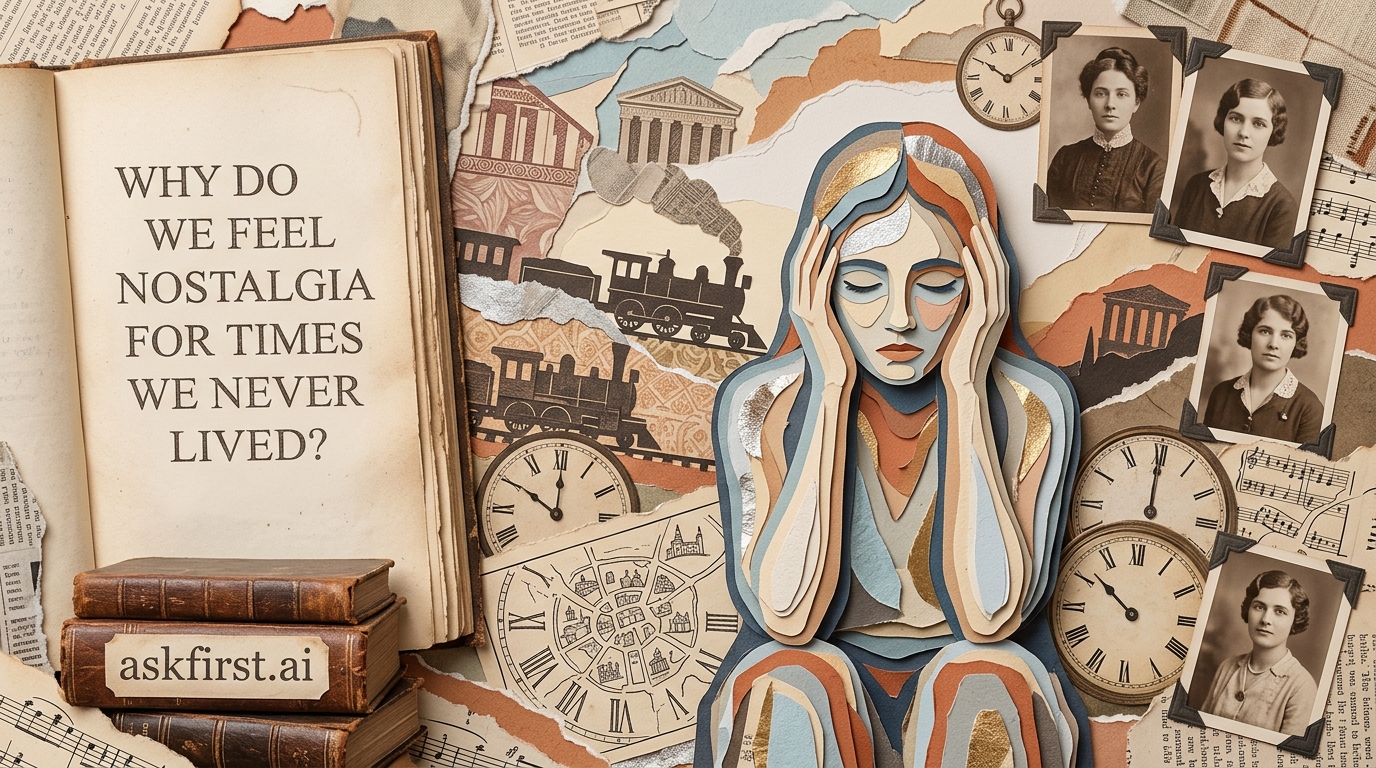
The experience of feeling nostalgia for a period one has never personally inhabited is known as anemoia. While the term is a modern neologism, the sentiment is deeply rooted in human psychology, cultural immersion, and the architecture of the collective imagination. When individuals yearn for the roaring twenties, the aesthetic of the fifties, or the romanticized spirit of the Victorian era, they are not merely observing history; they are engaging in a complex neurological and psychological process of emotional projection.
Psychological Drivers of Anemoia
There are several distinct psychological mechanisms that facilitate this sense of 'hiraeth' for the unreachable:
- Cultural Romanticization: Media consumption acts as a potent filter. Movies, literature, and music often present a sanitized, idealized version of the past. By consuming these artifacts, the brain constructs a world that is aesthetically pleasing and devoid of the daily mundanity or genuine hardships of those eras.
- The Escape Mechanism: Anemoia frequently emerges during periods of high stress or rapid technological transformation. When the contemporary world feels overwhelmingly fast, complex, or impersonal, the human mind seeks refuge in a 'simpler' time. The perceived lack of modern digital stressors makes these historical epochs appear as sanctuaries of tactile, authentic existence.
- Identity Construction: Often, individuals feel they were 'born in the wrong era' because their internal values or personality traits align better with the archetypes associated with a bygone time. This is not about historical accuracy; it is about self-actualization through the lens of historical fantasy.
The Role of Media and Collective Memory
Sociological researchers suggest that we live in a state of synthetic nostalgia. Because of the ubiquity of high-quality restoration, fashion revivals, and internet subcultures that fetishize vintage aesthetics, we have access to the 'surface' of the past without the burden of the past's realities. For example, a teenager today may feel nostalgia for the 1990s analog lifestyle—the sound of cassette tapes, the patience required for film photography—without ever experiencing the genuine limitations or lack of connectivity that defined that era. This is a curated memory, a version of history assembled to satisfy modern desires for sensory experiences that feel more 'grounded' than the fluid nature of digital existence.
Scientific Perspective: Memory vs. Imagination
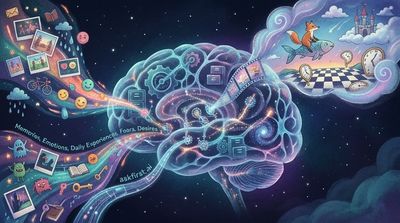
The neurobiology of this experience is fascinating. Studies in cognitive neuroscience suggest that the brain uses the same neural networks for episodic memory—remembering our own past—and future episodic simulation—imagining what might happen. When we experience anemoia, we are effectively utilizing the machinery of memory to construct a simulation of a history we 'borrowed' through media. The hippocampus and prefrontal cortex work together to synthesize fragments of stories, imagery, and archetypes into a cohesive narrative that feels emotionally true to the individual, even if it is factually constructed.
A Tool for Personal Growth
Rather than viewing anemoia as a delusion, psychologists often frame it as a creative cognitive exercise. It allows individuals to identify what qualities they feel are missing from their current environment. If one feels nostalgic for the 1950s, perhaps they are craving a sense of community, clear social structures, or physical craftsmanship. This 'longing' becomes a roadmap for what an individual might want to prioritize in their own life. It turns the passive act of looking back into an active process of defining personal values.
Conclusion: The Value of Historical Empathy
Ultimately, the ability to feel nostalgia for times we never lived is a testament to human empathy and our incredible capacity for storytelling. We are a species defined by our ability to transcend our biological timelines. By immersing ourselves in the aesthetic and spirit of another age, we are exploring the vast spectrum of human experience. While it is important to maintain a grounding in reality, the sensation of anemoia serves as a beautiful reminder of our desire for connection, meaning, and the appreciation of the aesthetic beauty found within the vast tapestry of history.