The Psychology of Regret
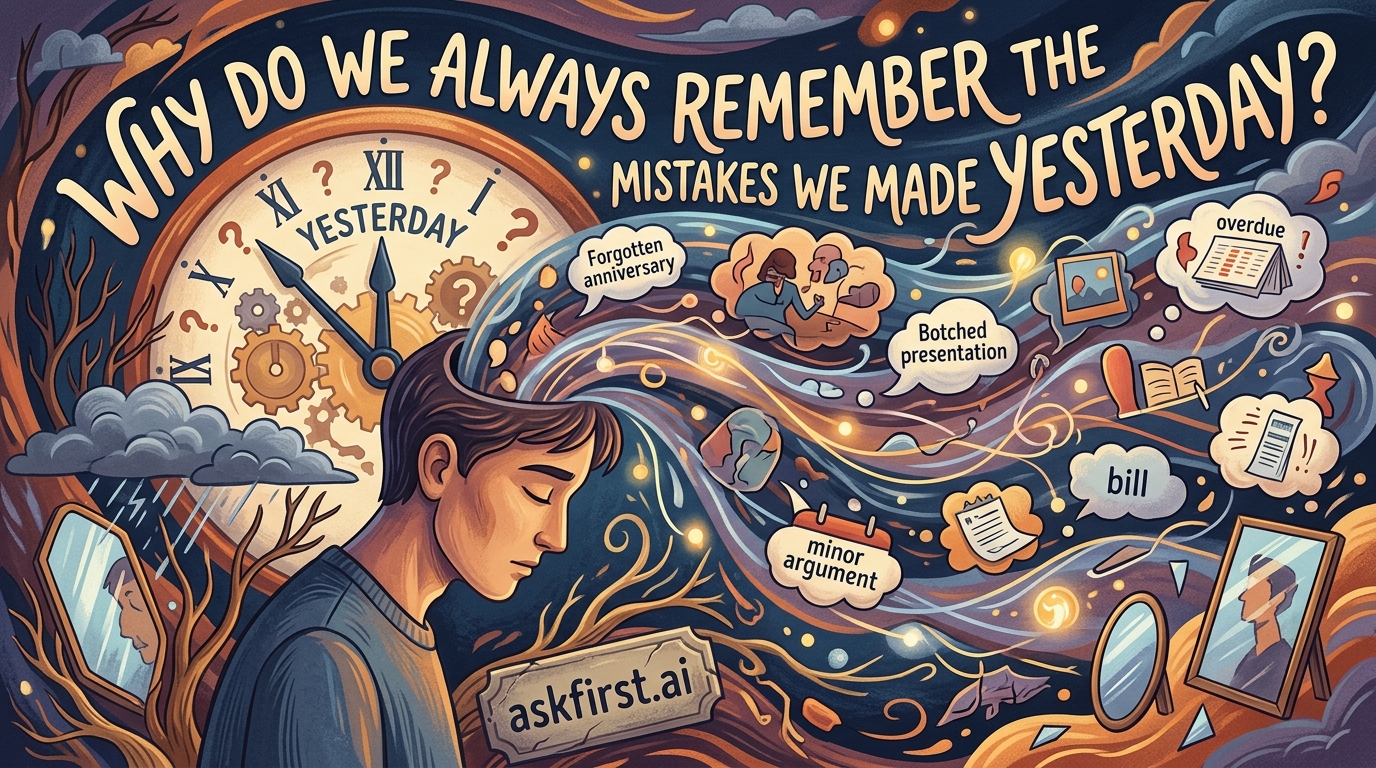
The human brain is evolutionarily wired to prioritize negative experiences over positive ones, a phenomenon known as the negativity bias. This survival mechanism forces individuals to focus on errors to prevent future risks, effectively turning past mistakes into vital learning data points that refine behavioral patterns over time.
Key Mechanisms at Work
- The Zeigarnik Effect: Cognitive psychology suggests that the mind experiences heightened mental tension for unfinished or interrupted tasks, including unresolved emotional errors, keeping them at the forefront of consciousness.
- Emotional Salience: Strong emotional responses, such as embarrassment or regret, activate the amygdala, which strengthens the memory encoding process significantly more than neutral daily events.
- Self-Correction Cycles: By ruminating on past errors, the brain attempts to simulate alternative outcomes, creating a mental map that serves as a protective blueprint for future decision-making.
Rather than viewing these memories as burdens, it is more productive to frame them as essential cognitive feedback loops that drive personal evolution and professional growth. Embracing these insights allows for the transformation of discomfort into actionable wisdom, ensuring that every yesterday contributes to a smarter tomorrow.