The Wood Wide Web: Nature's Secret Internet
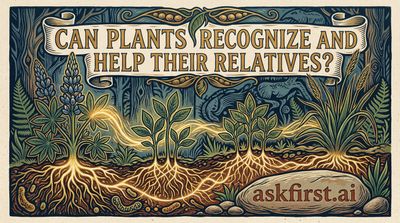
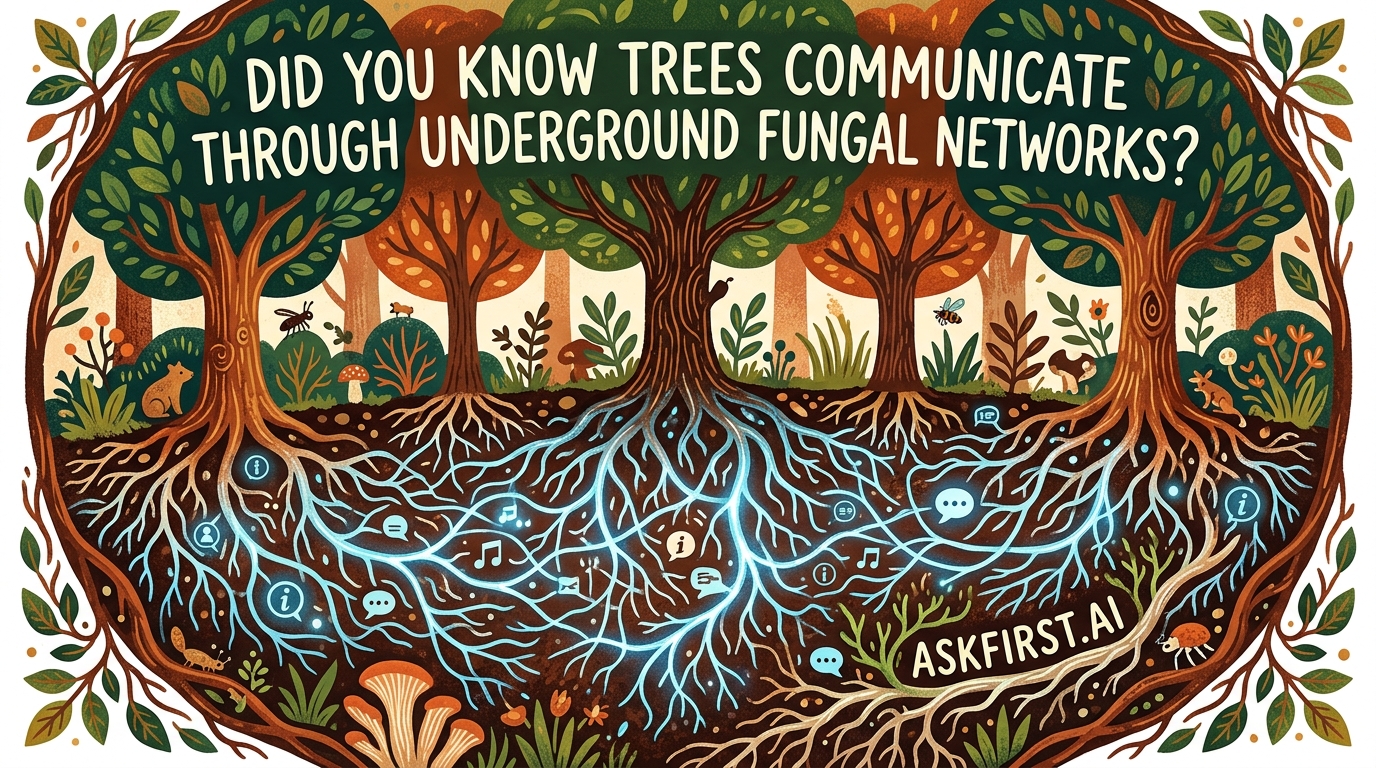
Yes, this fascinating phenomenon is known as the mycorrhizal network. Below the forest floor, trees and fungi form a symbiotic relationship that functions much like a biological social network.
Key Functions of the Network:
- Resource Sharing: Stronger, established trees provide sugar and carbon to younger, shaded seedlings struggling to reach the canopy sunlight.
- Early Warning Systems: If a tree is under attack by pests, it releases chemical signals through its roots into the fungal network. Neighboring trees receive these alerts and proactively strengthen their defenses, such as by producing bitter tannins to repel the encroaching insects.
- Nutrient Exchange: Fungi gain access to tree-produced carbohydrates, while in return, they provide trees with essential phosphorus, nitrogen, and water that the trees could not easily access alone.
This sophisticated system ensures the health and resilience of the entire forest ecosystem. It serves as a reminder that even the seemingly stationary trees in our environment are engaging in complex, altruistic, and intelligent interactions that sustain life across the planet. Biology truly thrives on connection rather than just competition.