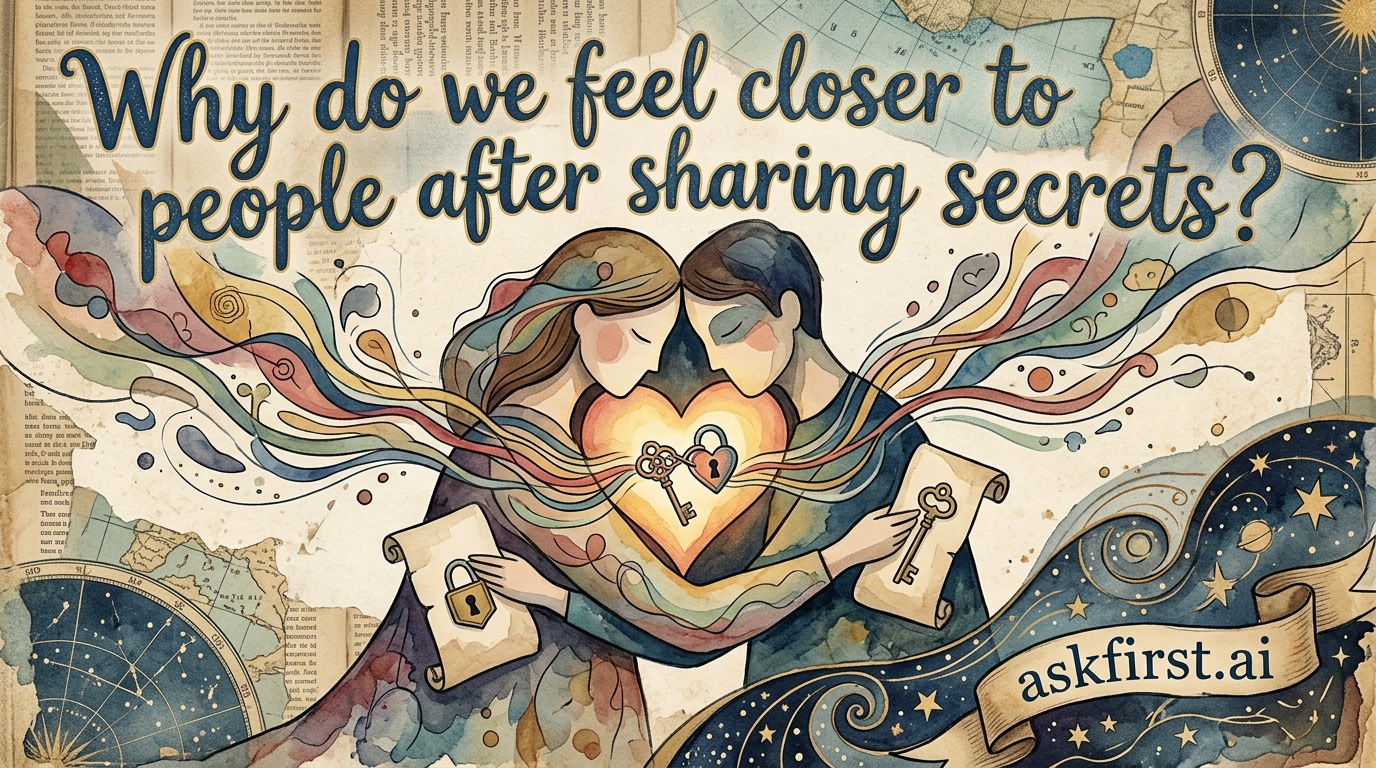
The Power of Vulnerability
Sharing secrets triggers a profound psychological mechanism known as reciprocal self-disclosure. When individuals reveal private information, they are essentially signaling high levels of trust. This action creates a unique social contract that deepens interpersonal connections instantaneously.
Why It Works:
- Oxytocin Release: Research indicates that vulnerability prompts the brain to release oxytocin, often called the bonding hormone, which promotes feelings of empathy and security.
- Psychological Safety: By exposing a hidden part of the self, individuals lower their defenses, which invites the other person to do the same, fostering a space of mutual understanding.
- The Spotlight Effect: Recognizing that another person is willing to listen without judgment reduces the fear of rejection, cementing the relationship as a safe sanctuary for both parties.
The Resulting Bond
This exchange transforms acquaintances into confidants. Because secret-sharing is inherently risky, the brain interprets the act as a significant investment in the partnership. Consequently, the shared secret acts as a 'glue,' reinforcing the emotional architecture of the relationship and ensuring long-term loyalty between two individuals who now share a private, exclusive bond.