The Cognitive Science of Daydreaming
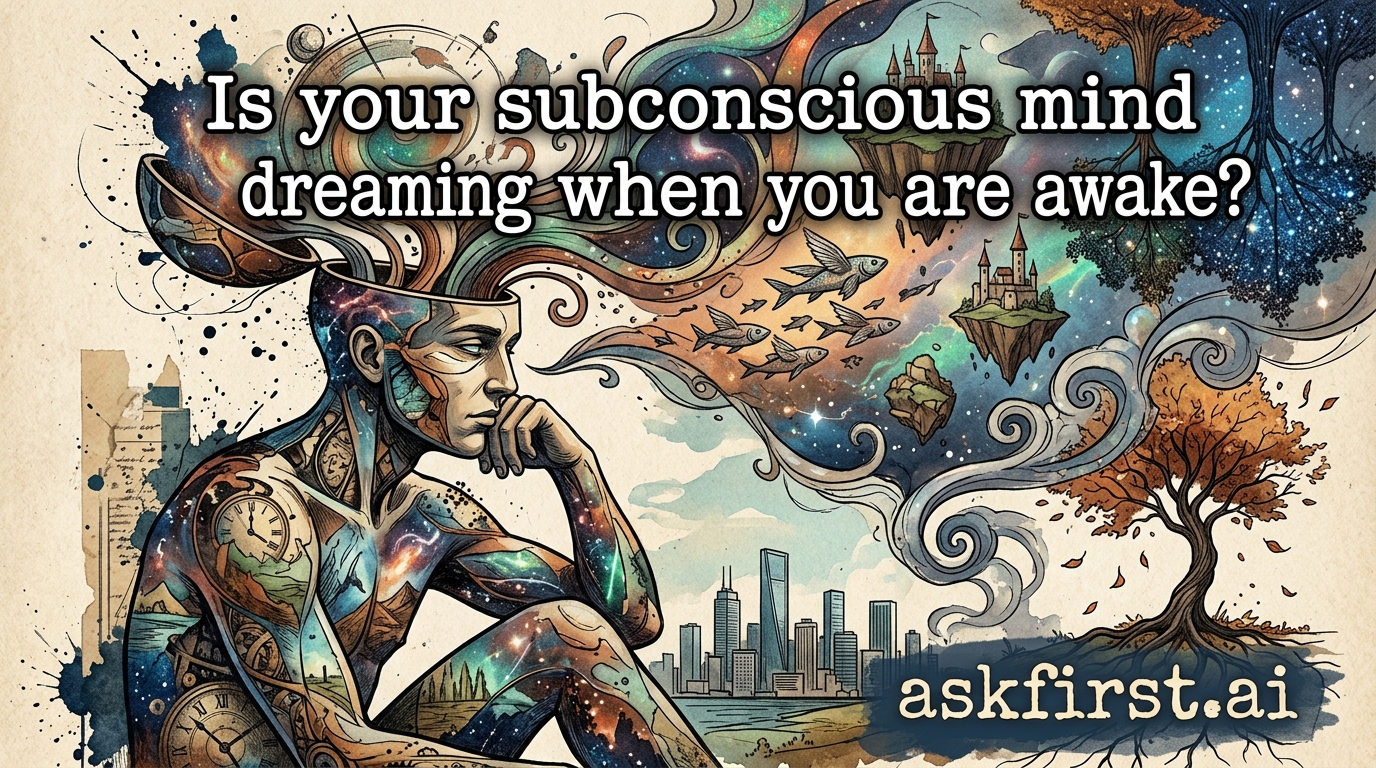
While the subconscious mind does not enter a literal 'dream state' similar to REM sleep, it engages in spontaneous thought processes known as mind-wandering. Research indicates that the brain's Default Mode Network (DMN) becomes highly active when individuals are not focused on external tasks, allowing for associative thinking that mirrors the creative mechanisms of dreaming.
Key Mechanisms of Awake Processing
- Associative Retrieval: The brain constantly connects disparate memories and concepts, creating internal narratives that operate beneath the surface of conscious awareness.
- Simulated Futures: This process helps rehearse complex social interactions, evaluate potential risks, and solve abstract problems without physical action.
- Creative Incubation: Much like dreaming, this state allows the brain to synthesize information, often leading to the 'Aha!' moments experienced during mundane activities like showering or walking.
Ultimately, this 'waking dream' is a vital evolutionary adaptation. It transforms the subconscious into a powerhouse of creativity and emotional regulation, ensuring that the mind remains dynamic and adaptive throughout the entire day.