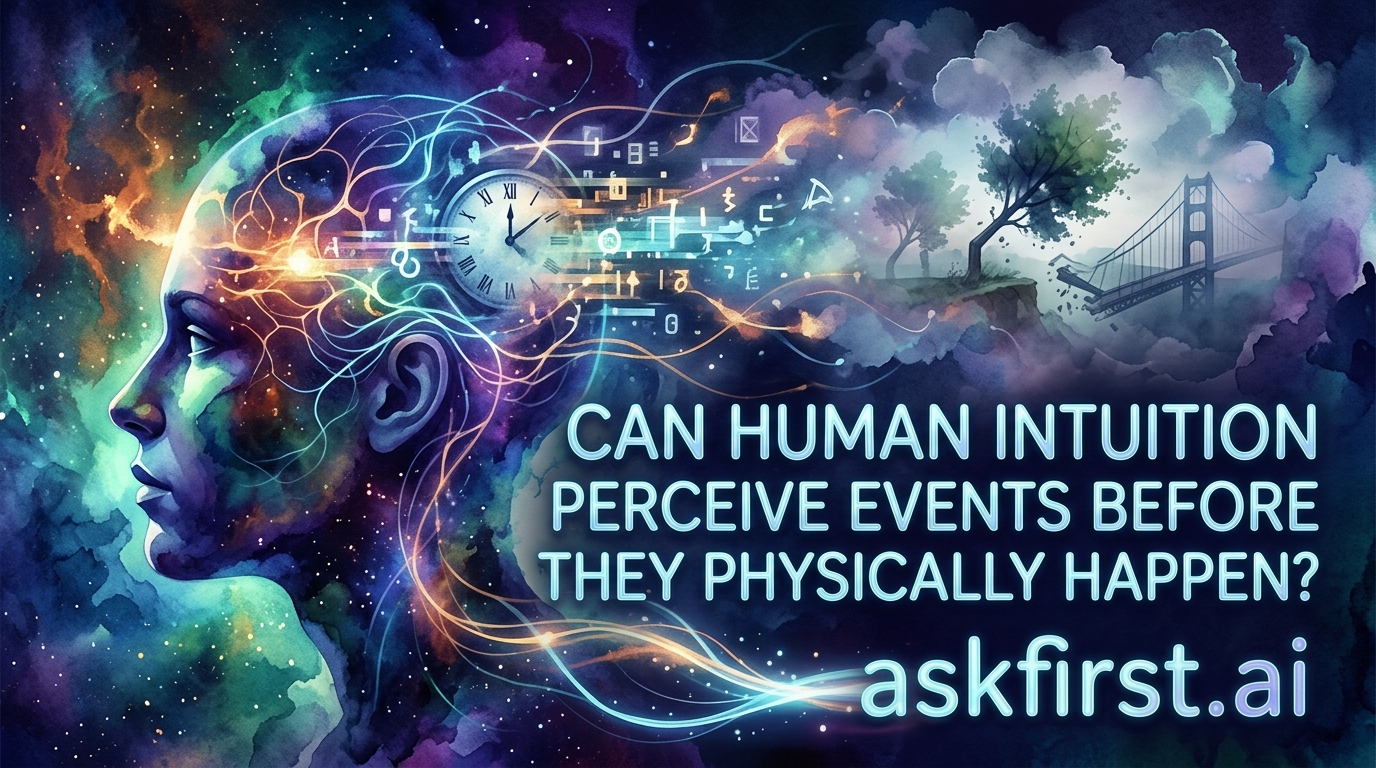
The Science of Predictive Cognition
While the concept of precognition often leans toward the realm of mystery, modern neuroscience provides a grounded perspective through the lens of predictive processing. The human brain functions as an extraordinary prediction machine, constantly modeling future outcomes based on massive datasets of past experiences and subtle environmental cues.
Core Mechanisms of Intuition
- Pattern Recognition: The subconscious mind processes environmental information at lightning speeds, identifying patterns that the conscious mind overlooks.
- Physiological Priming: Studies indicate that the autonomic nervous system, including heart rate and skin conductance, often reacts to stimulus moments before a conscious choice is made.
- Heuristic Processing: Intuition acts as a mental shortcut, synthesizing complex situational data into a gut feeling that often steers decision-making.
Perspectives on Future-Awareness
Although mainstream science does not support claims of supernatural prophecy, the phenomenon of anticipatory intuition is well-documented. It serves as a vital survival mechanism, allowing individuals to navigate dynamic environments with heightened efficiency. By refining awareness of these internal signals, one can better utilize the brain's innate capacity for foresight, bridging the gap between raw data and actionable insight.