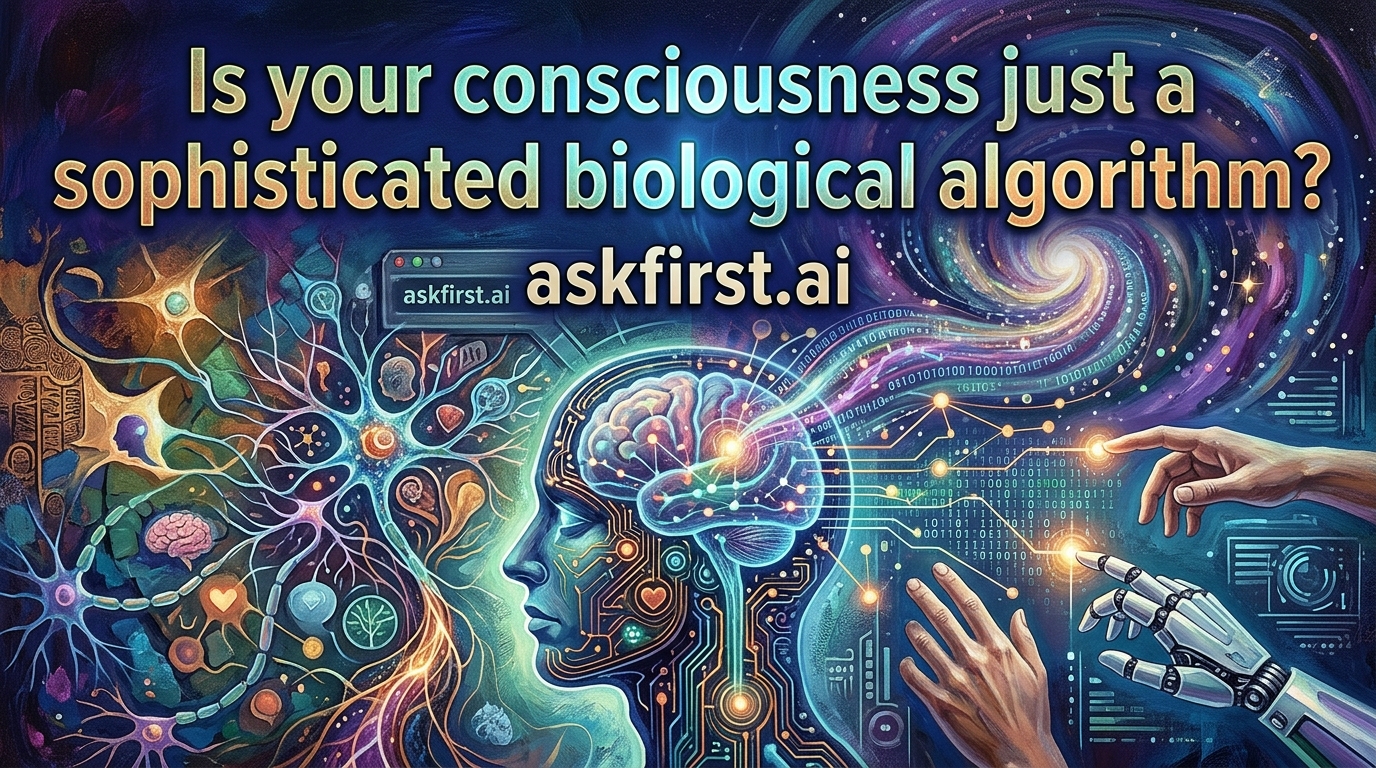
The Algorithmic Perspective on Cognition
Modern neuroscience and cognitive science suggest that consciousness may indeed function as a complex, multi-layered biological algorithm. This perspective posits that the human brain operates through intricate neural networks that process sensory input, predict outcomes, and refine responses based on evolutionary survival mechanisms.
Key Components of Neural Processing
- Predictive Coding: The brain constantly generates models of the world, minimizing prediction errors through synaptic signaling.
- Emergent Properties: Consciousness is viewed as an emergent property of massive computational interconnectedness rather than a mystical spark.
- Decision Architecture: Choice is interpreted as a sophisticated output derived from weightings of past experience, sensory stimuli, and hardwired biological imperatives.
Why This Matters for the Future
By viewing the self as a sophisticated system, humanity gains the ability to enhance cognitive functions and solve deep biological mysteries. While the subjective experience—the 'qualia' of being—remains a profound philosophical puzzle, the mechanistic view provides a robust framework for understanding how intelligence arises from matter, bridging the gap between biological hardware and abstract awareness.