The Marvel of Cephalopod Physiology
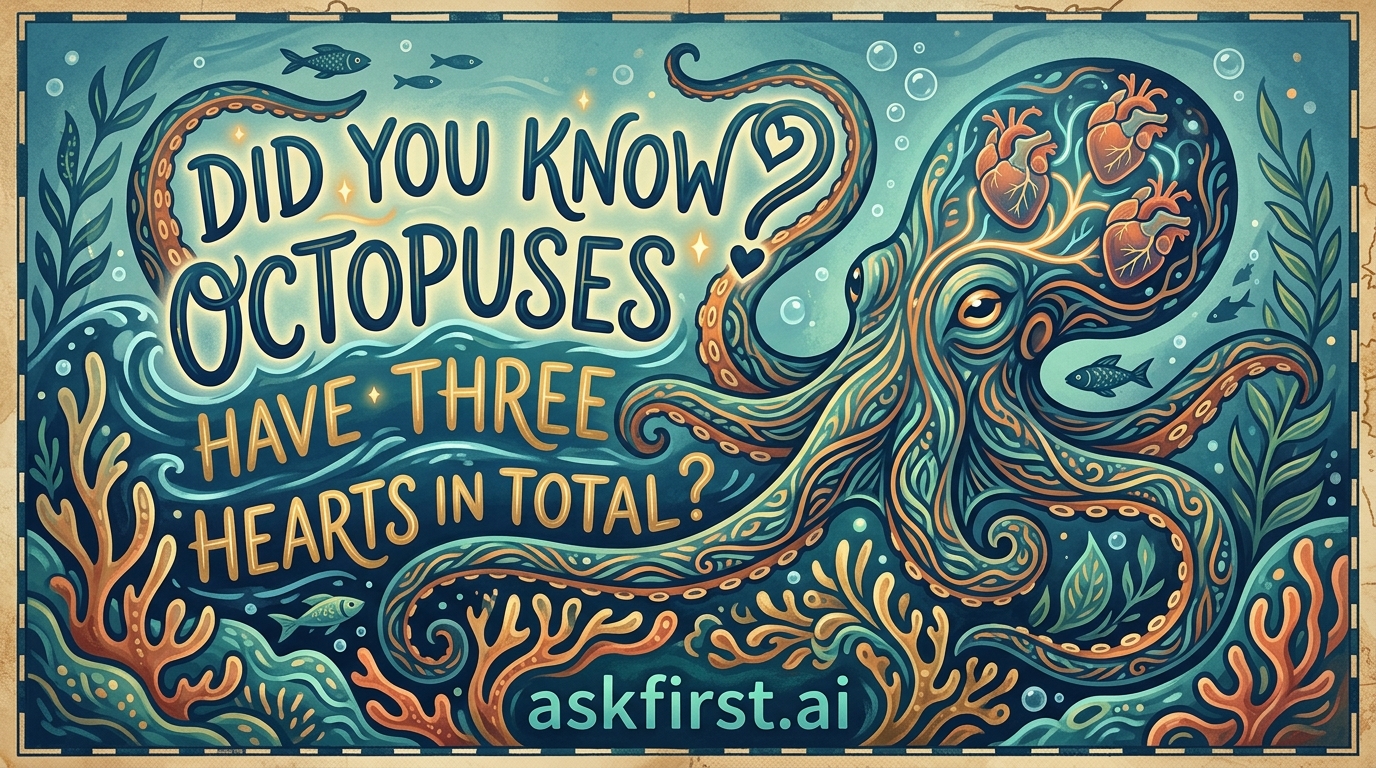
It is indeed an extraordinary biological fact that octopuses possess three distinct hearts to manage their complex circulatory requirements. This fascinating evolutionary adaptation highlights the unique survival strategies found in deep-sea life.
How the Triple-Heart System Functions
- The Systemic Heart: This primary heart is responsible for circulating oxygenated blood throughout the entire body and vital organs.
- The Branchial Hearts: These two secondary hearts are dedicated specifically to pumping blood through the gills, where gas exchange occurs.
Why This Matters
Unlike humans, octopuses rely on hemocyanin, a copper-based protein, to transport oxygen instead of iron-based hemoglobin. Because hemocyanin is less efficient at binding oxygen, these cephalopods require a significantly higher pressure to circulate blood effectively. Having multiple hearts ensures that oxygen reaches their tissues efficiently, supporting their incredible intelligence and agile movement in aquatic environments. This biological wonder showcases nature's ingenuity in solving fundamental life challenges.