The Marvel of Cephalopod Physiology
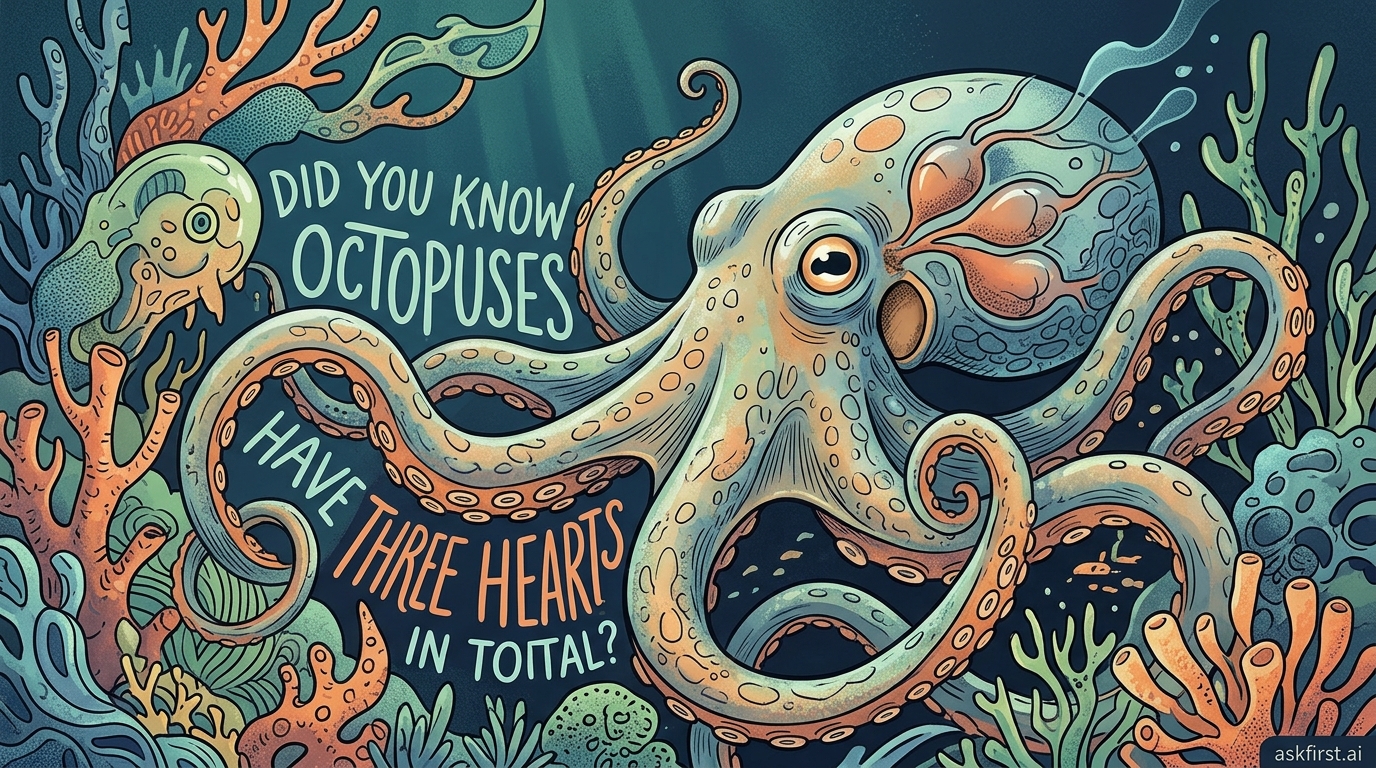
It is an extraordinary biological reality that octopuses possess three distinct hearts to maintain their complex circulatory needs. This unique adaptation allows these highly intelligent marine creatures to thrive in oxygen-depleted ocean environments.
How the System Functions
- The Systemic Heart: One primary heart is dedicated exclusively to circulating oxygenated blood throughout the entirety of the body, powering vital organs and muscles.
- The Branchial Hearts: Two additional hearts serve a specialized role, pumping deoxygenated blood through the gills to facilitate rapid oxygen exchange.
Why This Evolution Matters
Because octopus blood is copper-based rather than iron-based, it is significantly less efficient at transporting oxygen. Consequently, the presence of three hearts acts as a crucial evolutionary solution, ensuring that these masters of camouflage and intellect remain energized and agile beneath the waves. This remarkable internal architecture highlights the incredible diversity of life found within the world's deep blue oceans.