The Simulation Hypothesis Overview
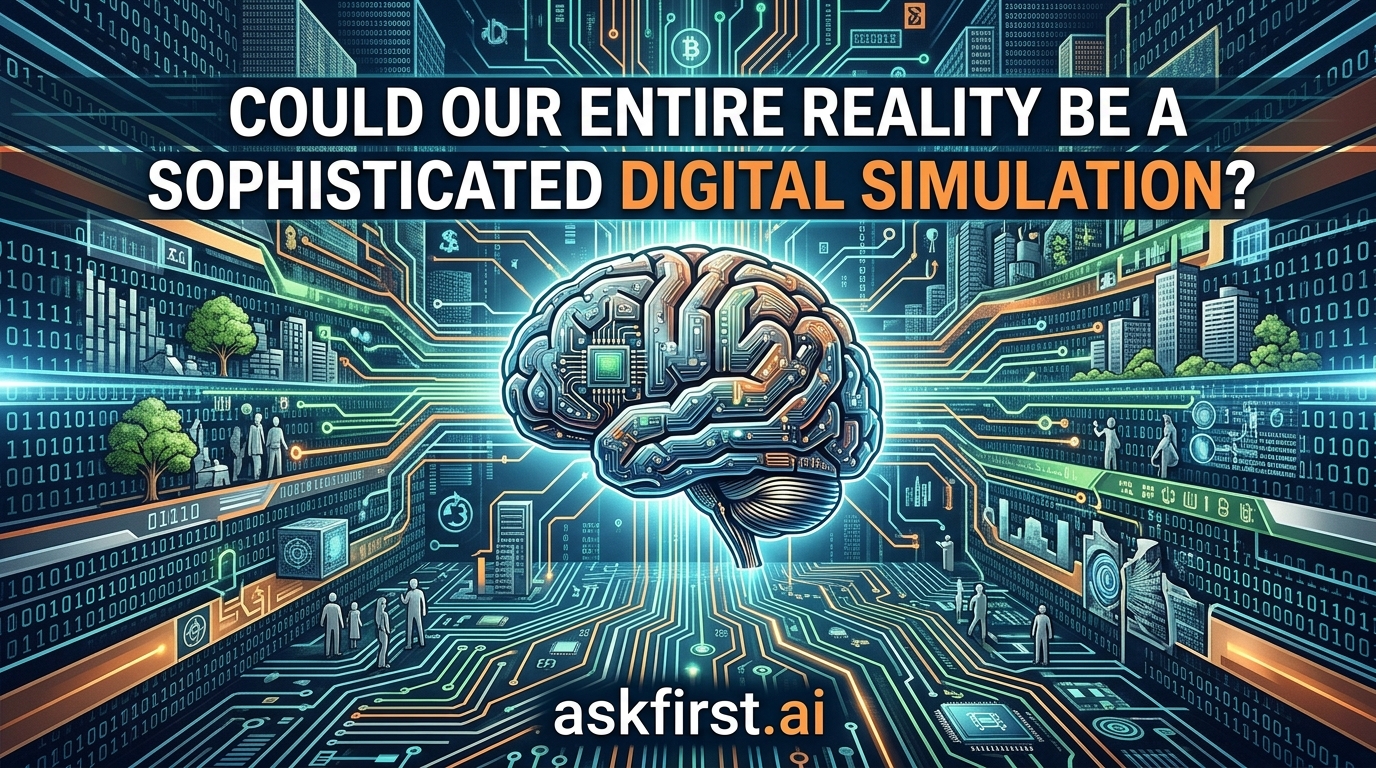
The concept of reality as a computer-generated construct, often termed the Simulation Hypothesis, proposes that the physical universe functions similarly to complex software. This intellectual framework suggests that what humans perceive as matter and energy are essentially information processed by a higher intelligence or an advanced technological system.
Key Theoretical Arguments
- Computational Power: Proponents argue that as technology advances, civilizations will eventually develop the capacity to create universe-scale simulations, making it statistically probable that we reside in one.
- Quantum Discrepancies: Enthusiasts often point to the fundamental nature of particles, noting that at the smallest scales, reality appears pixelated or quantized, echoing how digital graphics render images.
- Mathematical Consistency: The universe operates according to rigid, predictable mathematical laws, which supporters interpret as the source code or operating parameters of a virtual environment.
Scientific Perspective
While this remains a fascinating philosophical exploration, mainstream science views it as a metaphysical query rather than a verifiable hypothesis. Current physical models are highly successful without requiring the assumption of a simulator. Regardless of validity, contemplating this theory inspires profound reflection on the nature of consciousness, existence, and the ultimate boundaries of human knowledge.