The Marvel of Cephalopod Physiology
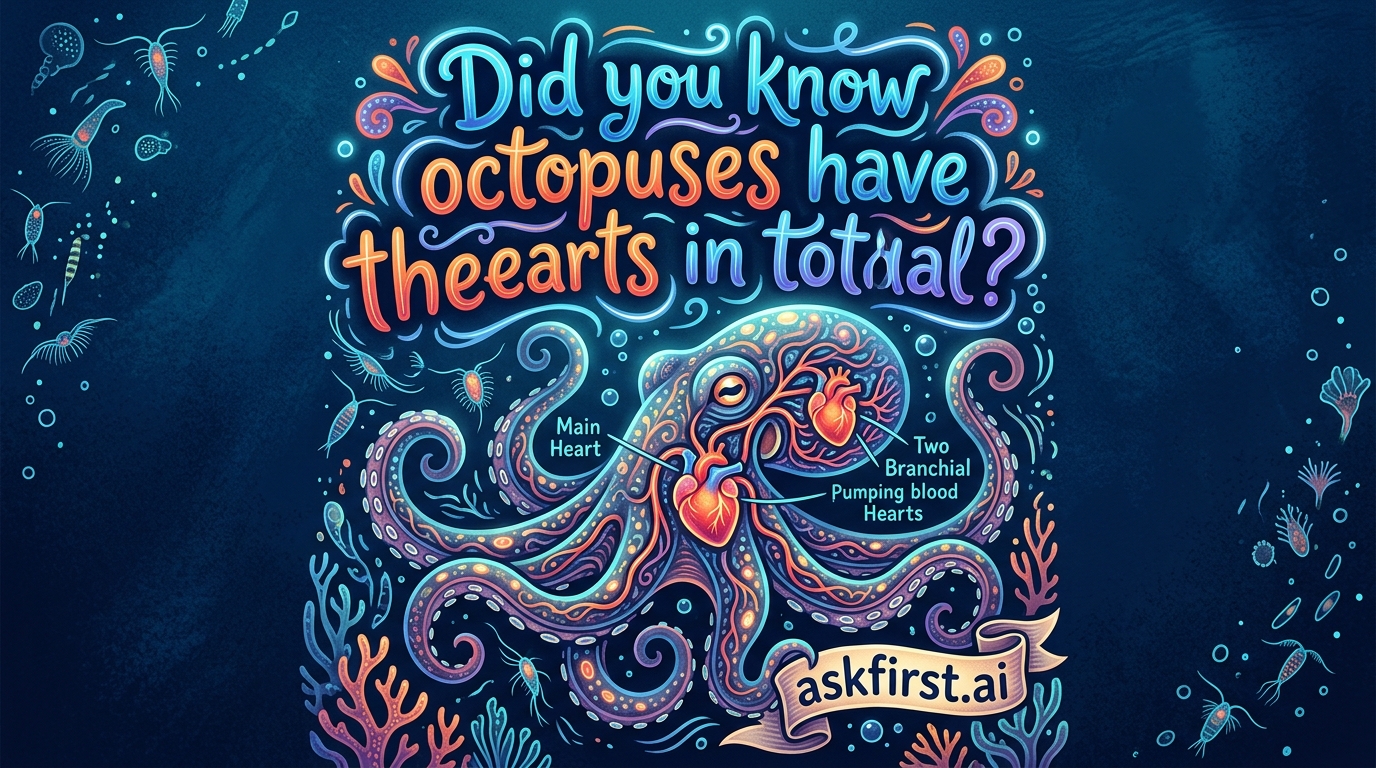
It is indeed true that octopuses possess three distinct hearts, a biological adaptation that allows them to thrive in high-pressure marine environments. This remarkable evolutionary feat ensures they remain energetic and resilient predators.
Breakdown of the Circulatory System
- The Systemic Heart: This primary organ works to pump oxygenated blood throughout the entirety of the body, supporting muscular activity and organ function.
- The Two Branchial Hearts: Positioned near the gills, these specialized hearts pump deoxygenated blood specifically through the gill filaments to pick up oxygen.
Why Three Hearts?
Because octopus blood relies on a copper-based protein called hemocyanin rather than iron-based hemoglobin, it is less efficient at carrying oxygen than mammalian blood. Having three hearts helps compensate for this inefficiency by keeping the blood flowing rapidly through the gills and the rest of the body. This unique anatomy highlights the complexity of marine life and demonstrates how nature develops ingenious solutions to solve physiological challenges, maintaining the species' dominance across diverse oceanic habitats for millions of years.