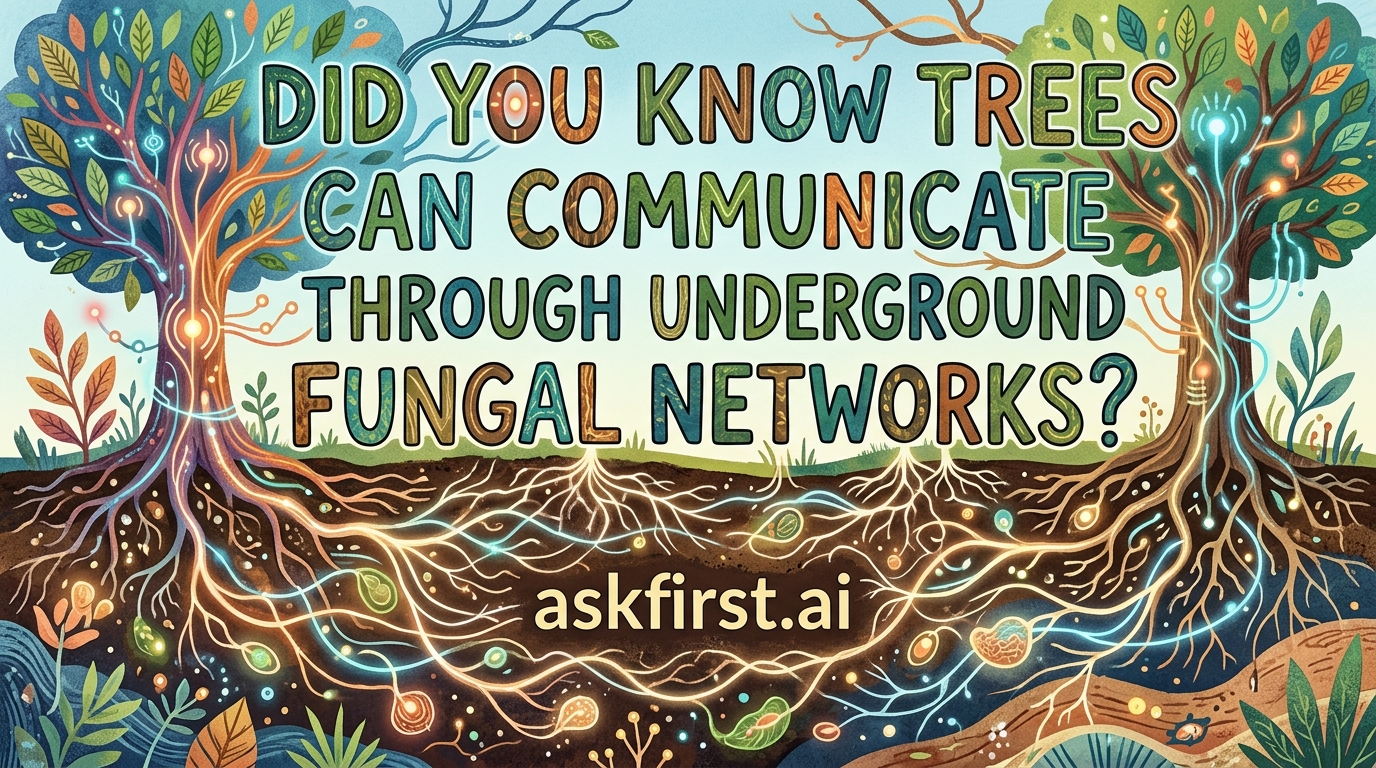
The Wood Wide Web: Nature's Secret Internet
Yes, forests function as highly connected, intelligent communities through a phenomenon known as the Mycorrhizal Network. This symbiotic association between fungal mycelium and plant roots acts as an information highway beneath our feet.
Key Mechanisms of Connection:
- Resource Sharing: Stronger, sun-exposed trees often shunt excess carbon, nitrogen, and phosphorus to younger, shaded saplings struggling to survive under the canopy.
- Warning Systems: Trees attacked by pests or drought release chemical distress signals through the fungal network, prompting neighbors to increase their defense enzymes preemptively.
- Strategic Alliances: The fungi receive essential sugars from the trees in exchange for minerals and water, creating a mutually beneficial ecosystem that maintains long-term forest stability.
By viewing forests as cooperative societies rather than isolated individuals, one gains a profound appreciation for the complexity of nature. This botanical social media enables ancient 'mother trees' to nurture their kin, ensuring the resilience of the forest for generations to come.