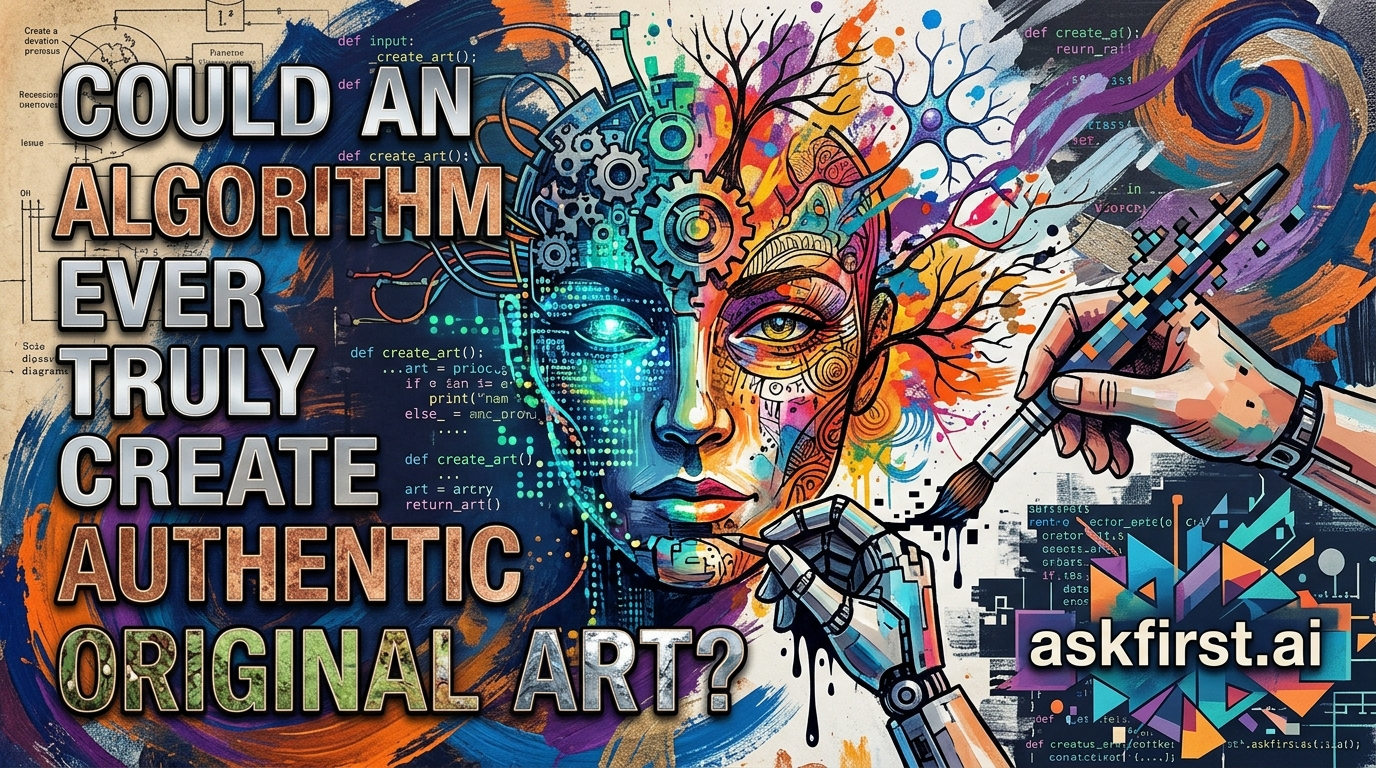
The Nature of Digital Creativity
The debate surrounding artificial intelligence and creativity hinges on the definition of authenticity. While algorithms currently operate through pattern recognition and statistical synthesis of existing human works, they represent a new frontier in expressive technology.
Key Perspectives on Algorithmic Art
- Computational Evolution: Machines process vast datasets to identify aesthetic relationships, effectively mimicking the historical evolution of art styles.
- The Human Catalyst: Genuine originality often requires intent and lived experience, elements that remain fundamentally biological. Without conscious desire, art may be seen as a simulation rather than a creation.
- Future Potential: As systems become increasingly autonomous, the line between calculated output and inspired brilliance continues to blur.
Conclusion
True originality involves breaking norms and introducing entirely new paradigms. Whether software can eventually transcend data-driven replication to achieve genuine, soulful innovation remains a fascinating mystery for the future of philosophy and technology alike. The evolution of this field will likely redefine humanity's understanding of creativity itself.