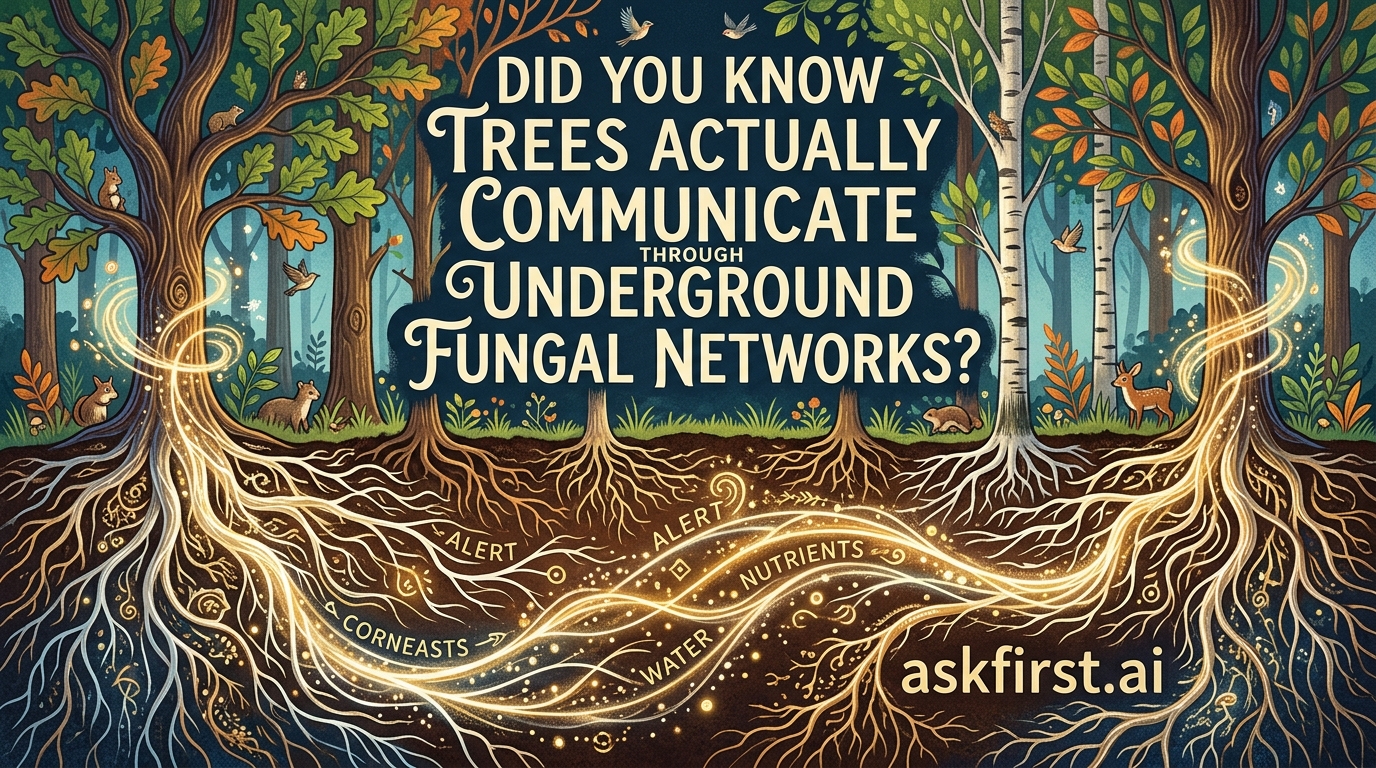
The Wood Wide Web: Nature’s Hidden Network
Yes, the forest floor is home to a sophisticated, sprawling communication system known as the mycorrhizal network. This biological marvel connects trees and plants through intricate webs of fungi, facilitating a complex exchange of information and resources.
How It Works:
- Resource Sharing: Stronger, older trees—often called "Mother Trees"—use these fungal channels to send excess sugars and nutrients to saplings growing in the shade.
- Early Warning Systems: When a tree faces an attack from pests, it releases chemical signals through its roots. Neighboring trees receive these alerts via the fungal network, allowing them to proactively boost their natural defenses.
- Species Collaboration: This underground interaction often transcends species, creating a resilient, cooperative forest ecosystem that functions far more like a singular, unified organism than a collection of solitary plants.
Understanding this invisible infrastructure reveals that forests are vibrant communities characterized by profound connectivity and cooperation, fundamentally changing how science views competition in nature.