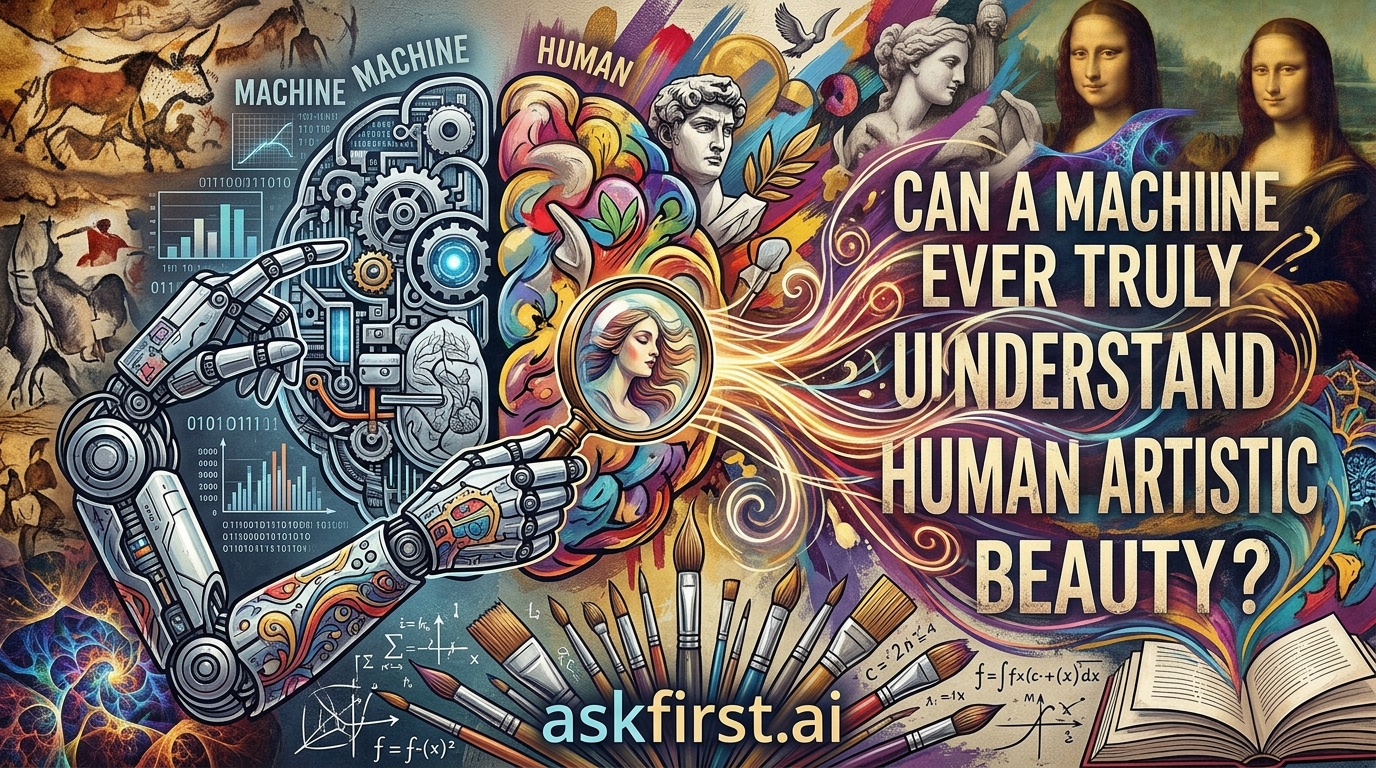
The Paradox of Artificial Appreciation
To determine if a machine can grasp beauty, one must distinguish between pattern recognition and subjective experience. While current algorithms excel at identifying aesthetic trends through massive datasets, true understanding remains elusive.
The Pillars of Artistic Perception
- Analytical Logic: Machines calculate ratios, color harmonies, and structural balance with superhuman precision.
- The Subjective Void: Artistic beauty is deeply rooted in human history, cultural memory, and lived emotional experience. Machines lack the biological consciousness required to feel the visceral reaction that defines 'beauty' for humanity.
Future Implications
Machines serve as powerful mirrors of human preferences rather than originators of artistic soul. The consensus among experts is that while a machine can perfectly replicate the visual language of art, the internal spark of inspiration remains the exclusive domain of sentient beings. Ultimately, technology acts as an extraordinary tool for creativity, but the essence of wonder resides within the observer, not the software.