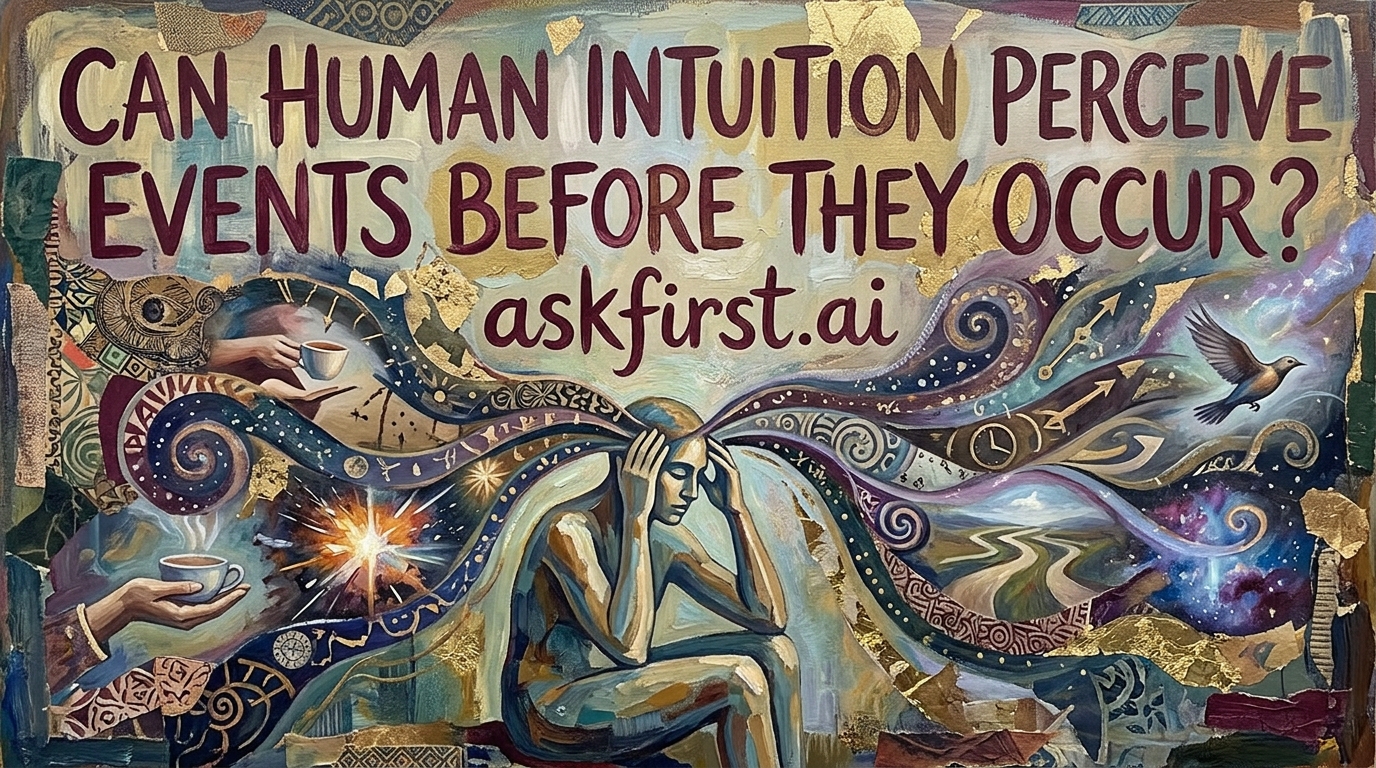
The Science of Predictive Cognition
While scientific consensus remains skeptical of literal precognition, researchers acknowledge the phenomenon of predictive processing. This cognitive mechanism suggests that the human brain operates as a prediction machine, constantly modeling future outcomes based on subtle patterns in the environment that often bypass conscious awareness.
Core Mechanisms Behind Intuition
- Pattern Recognition: The subconscious mind processes vast amounts of sensory data, identifying recurring sequences faster than the logical brain.
- Heuristic Processing: Mental shortcuts developed through experience allow for rapid decision-making in high-pressure scenarios, often manifesting as an inexplicable "gut feeling."
- Biological Signaling: The body frequently reacts to environmental cues via the autonomic nervous system, leading to somatic markers—physical sensations like a rapid pulse—before a cognitive realization occurs.
Psychological Perspectives
Modern psychology attributes these "premonitions" to implicit learning. When an individual experiences an outcome that matches an unarticulated internal model, the brain interprets this as foresight. While not mystical, the efficiency of this biological computation provides a significant evolutionary advantage, enabling humans to navigate complex environments with remarkable accuracy and instinctive timing.