The Marvel of Cephalopod Physiology
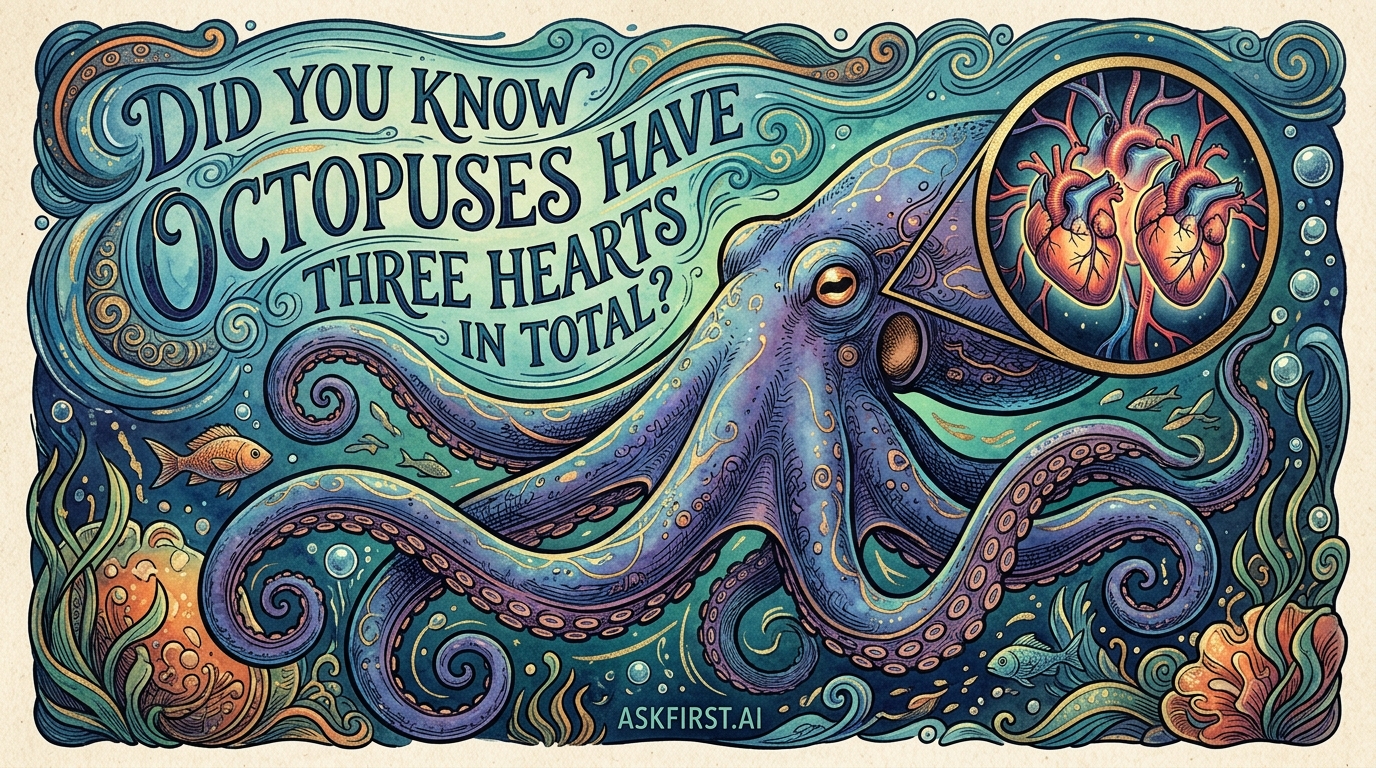
Yes, the octopus is a masterpiece of biological engineering. Possessing three hearts allows these creatures to survive in extreme underwater environments.
- Systemic Heart: One primary heart is responsible for circulating oxygenated blood throughout the entire body.
- Branchial Hearts: Two additional hearts are dedicated exclusively to pumping blood through the gills.
Why This Adaptation Matters
This unique circulatory system is vital because octopus blood is copper-based, utilizing a protein called hemocyanin rather than iron-based hemoglobin. Hemocyanin is less efficient at binding oxygen than iron-based alternatives, necessitating a robust, multi-heart system to keep the animal active. When an octopus swims, the systemic heart actually ceases to beat, leading to fatigue and explaining why these creatures prefer crawling over swimming. This fascinating biological nuance showcases the incredible evolutionary path taken by cephalopods to dominate the ocean floor.