The Microbiome Connection
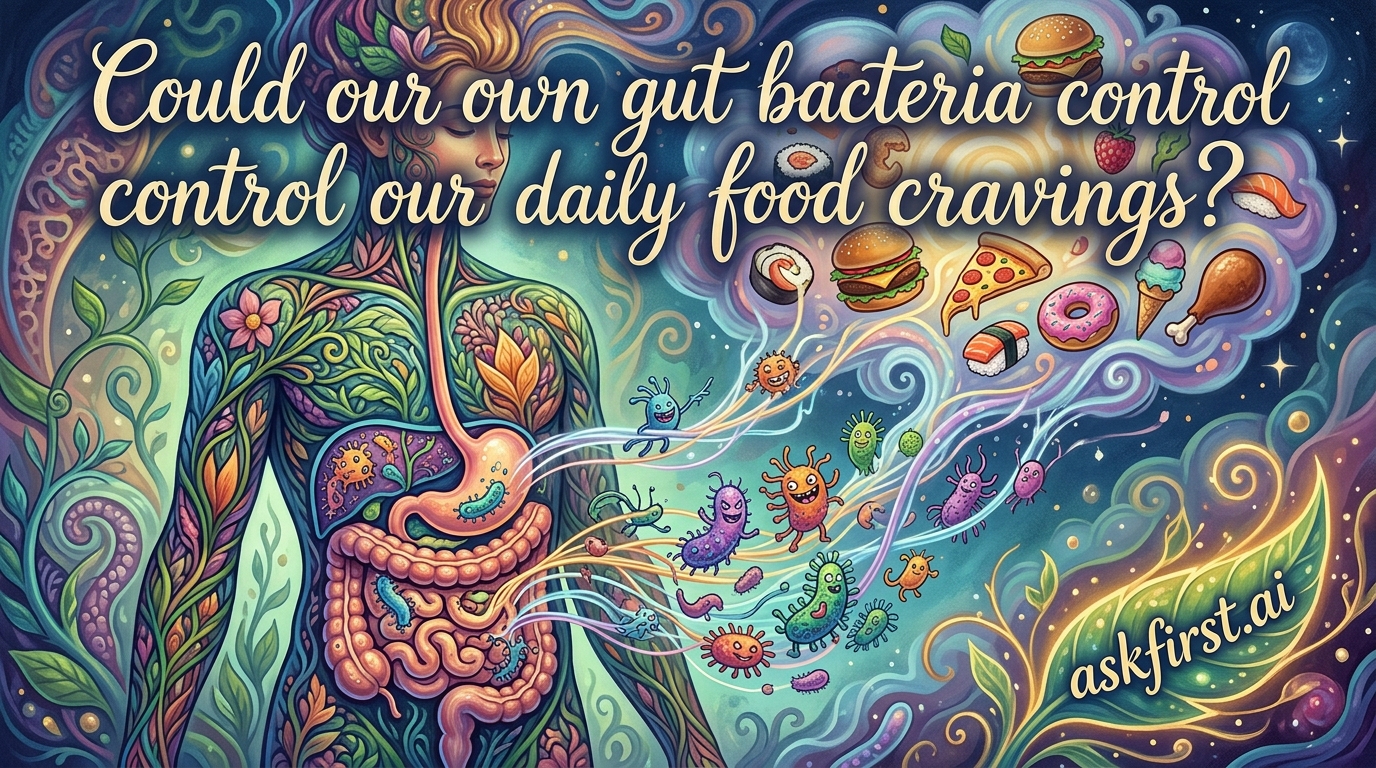
Recent scientific breakthroughs suggest that the human gut microbiome—the vast community of trillions of microorganisms living in the digestive tract—plays a surprisingly active role in shaping dietary preferences. These microscopic residents are not mere bystanders; they actively communicate with the brain to influence cravings for specific nutrients.
How Bacteria Manipulate Cravings
- Chemical Signaling: Gut microbes release metabolites and neurotransmitters, such as dopamine and serotonin, which travel via the vagus nerve to influence brain signals regarding appetite.
- Resource Competition: Different bacterial species thrive on different nutrients. Microbes may produce signals that trigger a desire for specific foods, such as sugars or fats, to ensure their own survival and proliferation.
- Adaptability: The composition of the microbiome shifts based on dietary intake. When the microbiome environment changes, the resulting signaling patterns can reinforce those specific dietary habits, creating a feedback loop between the gut and the brain.
Implications for Health
Understanding this biological synergy highlights why willpower alone often fails against intense cravings. By focusing on diversifying the diet with fiber-rich prebiotics, individuals can cultivate a balanced microbiome that fosters healthier food choices rather than being dictated by microbial survival needs. Science continues to illuminate the fascinating reality that human choices are often a collaborative effort between the self and the internal ecosystem.