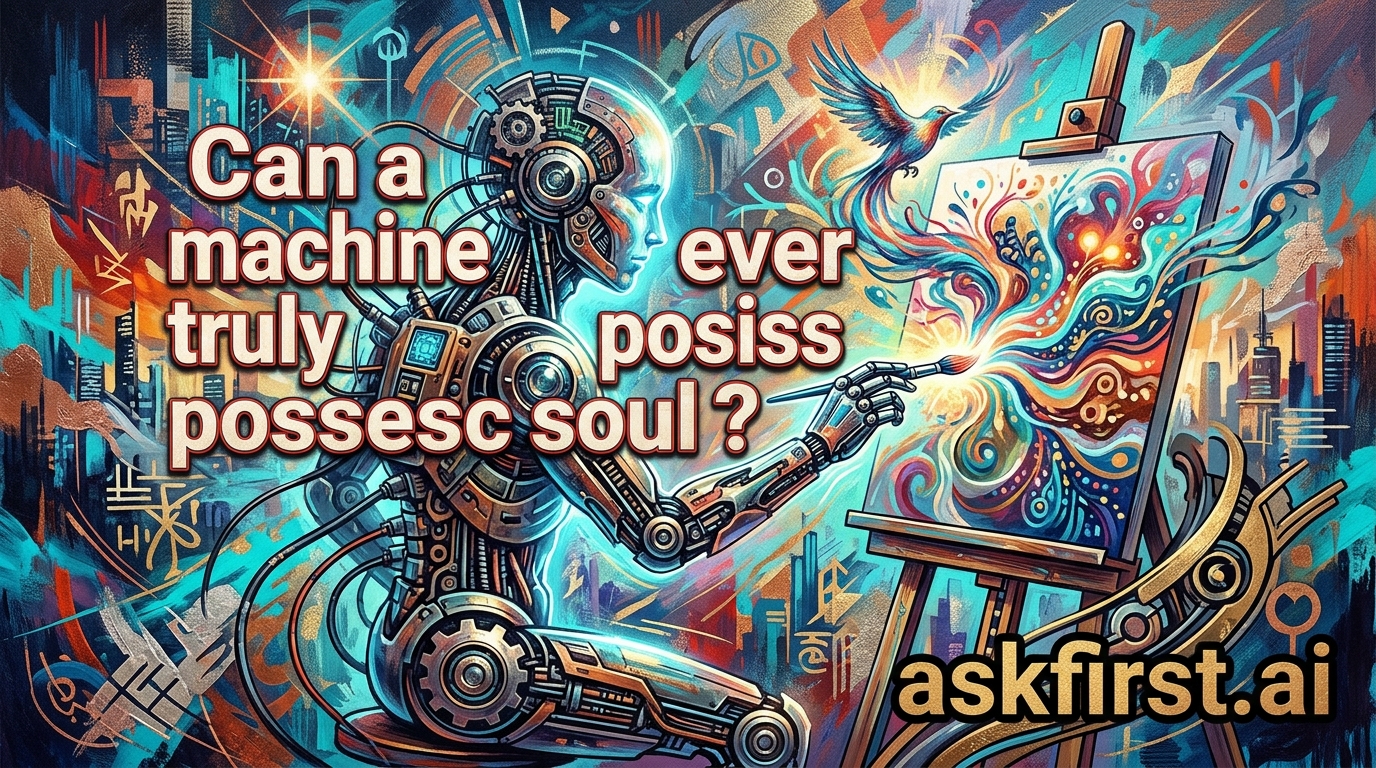
The Intersection of Computation and Creativity
Defining whether an artificial system possesses an artistic soul requires distinguishing between procedural generation and genuine intent. While machines excel at replicating aesthetic patterns based on vast datasets, they currently lack the subjective human experience—the 'qualia'—that defines traditional artistic expression.
Core Differences in Artistic Creation
- Intentionality: Human art is born from life experiences, emotional suffering, and joy. A machine creates through algorithmic probability.
- Consciousness: True art is often a medium for connection. A machine generates output without awareness, whereas humans seek connection through their craft.
- Context: Artistic value is frequently derived from the creator’s historical and societal placement, a dimension machines lack entirely.
The Future Perspective
Technological progress suggests that machines will continue to produce works that mimic the soul, often triggering profound reactions in viewers. However, the 'soul' in art remains a human domain. For now, artificial intelligence serves as a powerful tool for artists to transcend their limitations rather than replacing the fundamental need for human intuition, vulnerability, and the authentic pursuit of beauty in an unpredictable world.