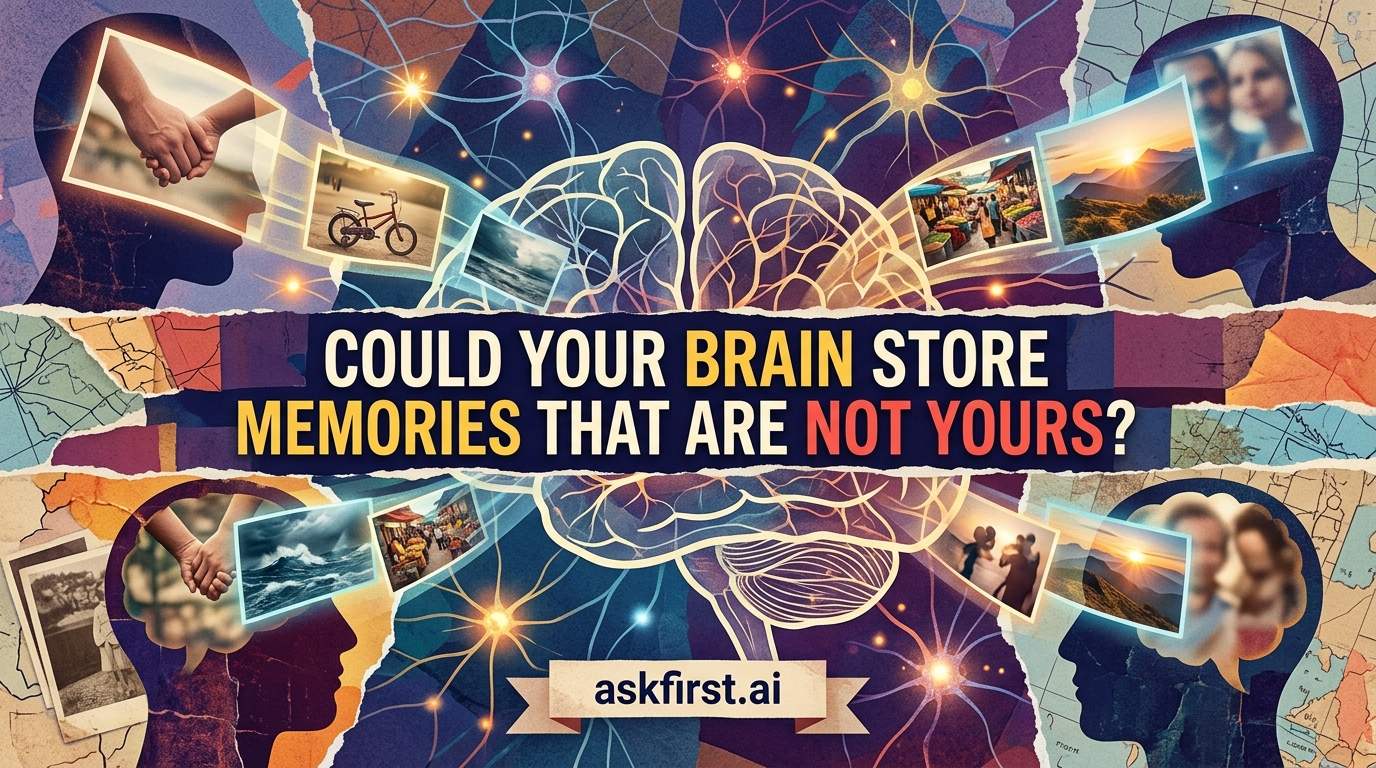
The Phenomenon of False Memories
Scientific research into human cognition reveals that memory is not a perfect video recording, but rather a reconstructive process. When the brain recalls an event, it reconstructs fragments of sensory data, which can introduce errors or outside influences.
Key Psychological Mechanisms
- The Misinformation Effect: External suggestions or leading questions can alter a person's memory of a past event, effectively implanting details that did not happen.
- Source Monitoring Errors: The brain sometimes struggles to determine the origin of a memory. One might internalize a story heard from a friend, a movie scene, or a book, eventually perceiving it as a personal experience.
- Collective Memory: Social groups often share narratives that individuals adopt as their own, creating a sense of history that feels deeply personal despite the lack of direct involvement.
Why This Matters
Understanding these mechanisms is vital for personal growth and critical thinking. It highlights the fascinating malleability of the human mind. By recognizing that memories are dynamic, individuals can better evaluate their own pasts and remain open to the realization that human identity is a blend of internal experience and external influence.