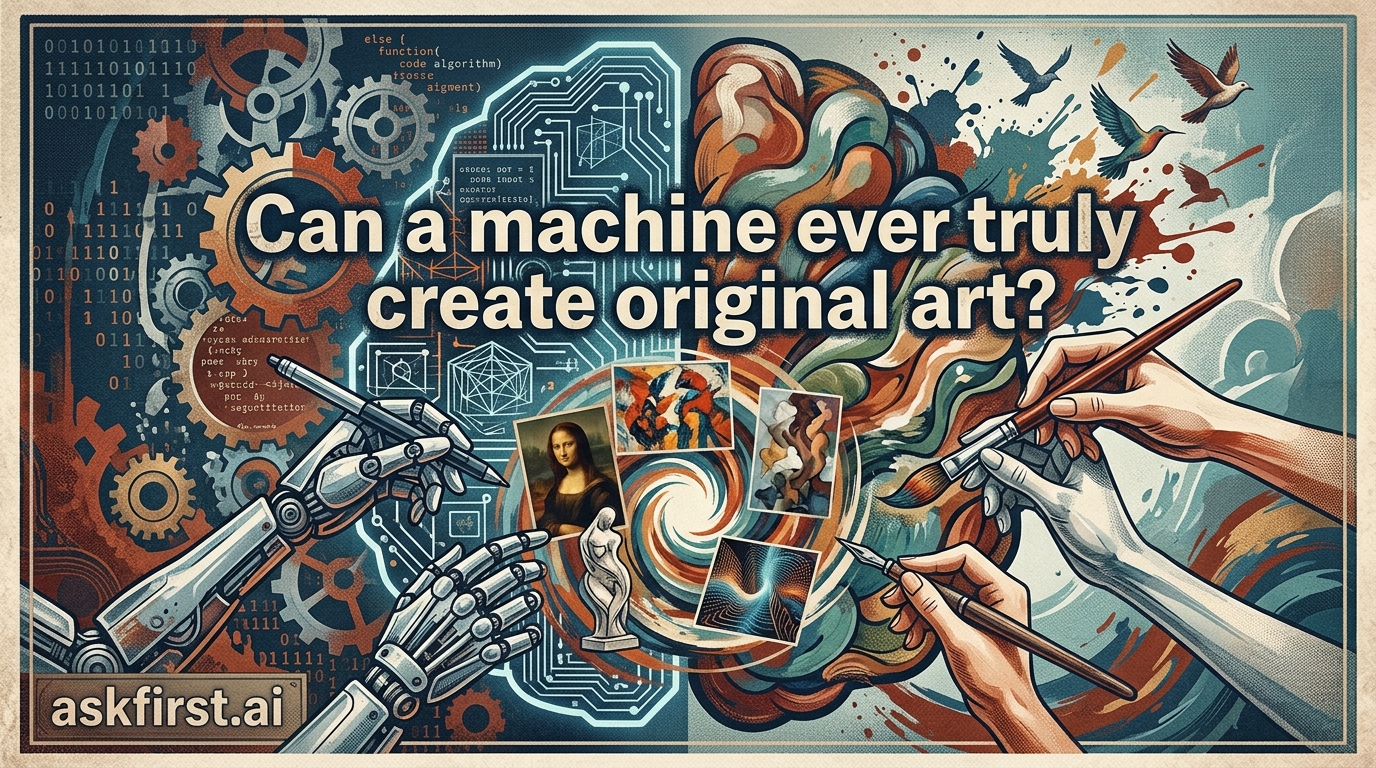
Defining Machine Creativity
The philosophical debate surrounding artificial intelligence centers on the distinction between algorithmic generation and human intent. While machines process vast datasets to identify patterns, the essence of original art often involves emotional depth and lived experience.
Core Arguments for Machine Potential
- Synthetic Synthesis: Machines can combine disparate styles into novel outputs that no human mind would instinctively conceptualize.
- Technological Evolution: As systems advance, the boundary between calculated mimicry and genuine creative expression continues to blur, challenging traditional definitions of authorship.
The Human Element
True originality typically requires a subjective perspective. Machines currently function as sophisticated tools rather than conscious agents. They do not possess feelings, desires, or a social context, which are the traditional cornerstones of artistic movements. Consequently, while machines produce visually stunning compositions, they currently lack the capacity to imbue work with the existential weight that defines masterworks.