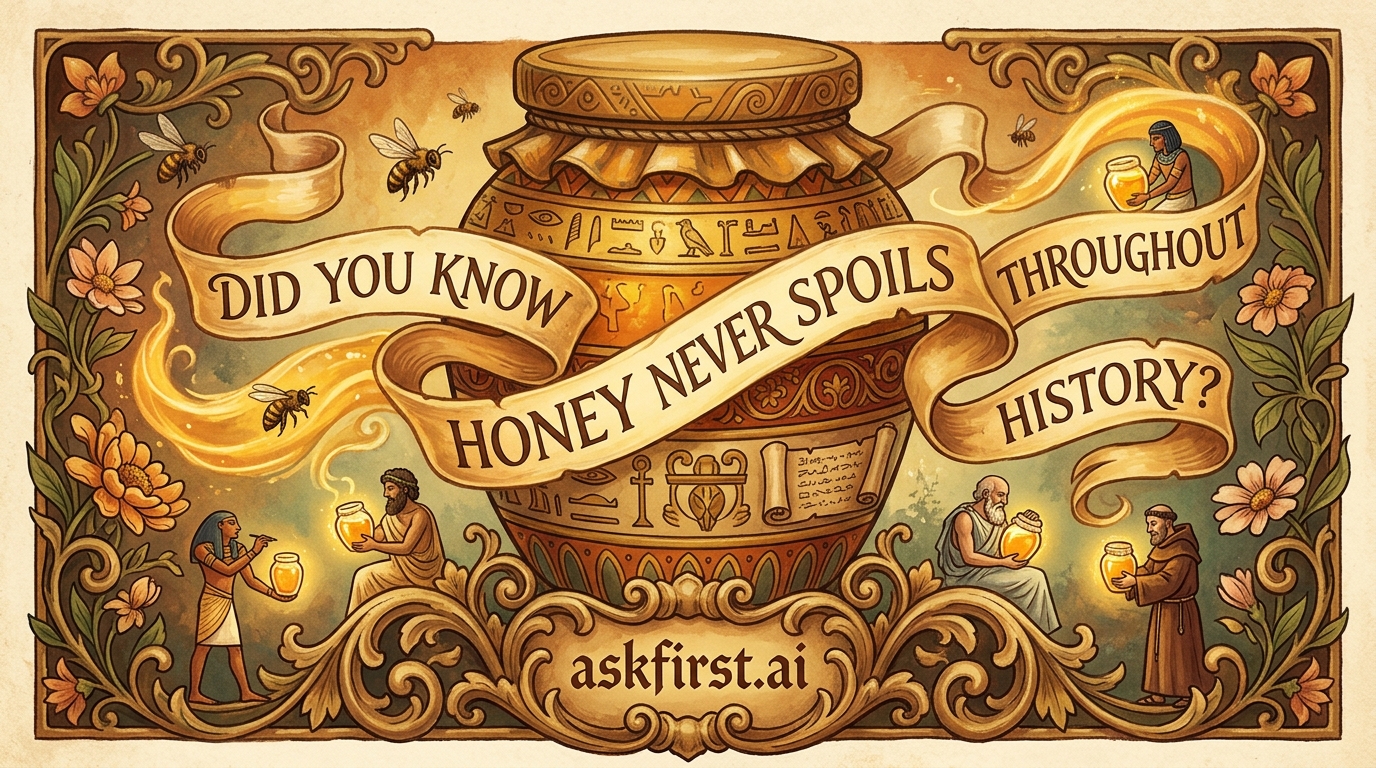
The Eternal Nature of Honey
Honey is one of the only food products on Earth that never truly spoils. Archaeologists have discovered edible pots of honey in ancient Egyptian tombs that are thousands of years old. Its incredible longevity is due to a unique chemical profile:
- Low Moisture Content: Honey is naturally hygroscopic, meaning it contains very little water, making it a hostile environment for bacteria and microorganisms.
- High Acidity: With a pH typically between 3 and 4.5, this acidic environment prevents the growth of unwanted pathogens.
- Hydrogen Peroxide: During the process of creation, bees introduce an enzyme called glucose oxidase, which produces hydrogen peroxide as a byproduct to protect the hive from microbes.
Why It Crystalizes
While honey does not spoil, it may undergo a physical change called crystallization. This is a natural process where the sugars turn from liquid to solid. It does not mean the product has gone bad; it simply needs to be gently warmed to return to a smooth consistency.
Storage Tips for Maximum Shelf Life
To keep honey in its perfect state for decades, follow these professional storage guidelines:
- Seal Tightly: Always ensure the lid is screwed on firmly to prevent moisture absorption from the air.
- Avoid Heat: Store in a cool, dark cupboard away from direct sunlight or the stove.
- Use Clean Utensils: Never introduce foreign particles or moisture into the jar, as this can introduce yeasts that might lead to fermentation.