The Science of Immortality
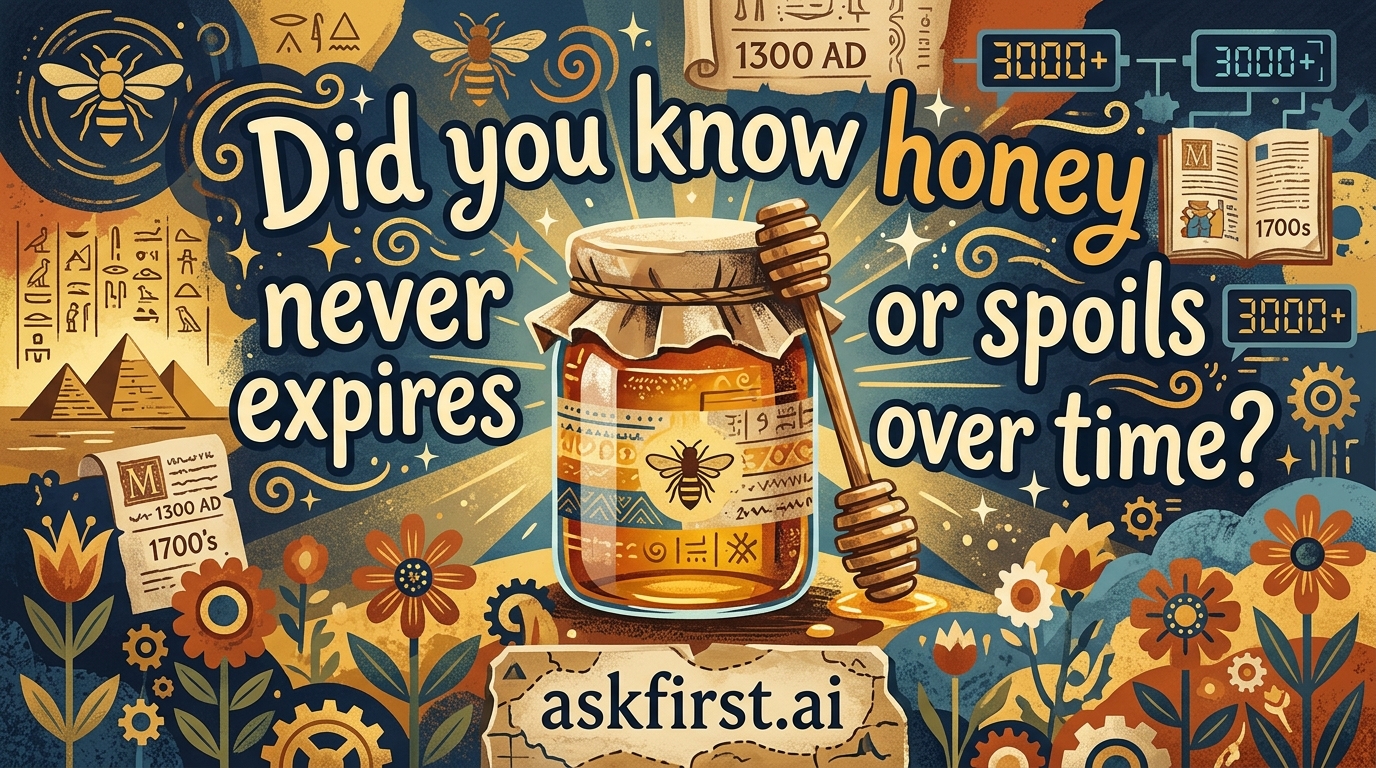
Honey is truly nature's miracle food, renowned for its eternal shelf life. Archaeological excavations have discovered pots of honey in ancient Egyptian tombs that remain perfectly edible after thousands of years. This phenomenon is driven by three key environmental factors:
- Low Moisture Content: Honey is hygroscopic, meaning it contains very little water, which prevents the growth of bacteria and microorganisms that cause spoilage.
- High Acidity: With a pH level typically between 3 and 4.5, the acidic environment is hostile to most spoilage organisms.
- Hydrogen Peroxide: Bees produce an enzyme called glucose oxidase, which breaks down into hydrogen peroxide, acting as a natural disinfectant.
Why Proper Storage Matters
While honey does not spoil, it can undergo physical changes. Crystallization is a natural process where glucose separates from the water, turning the honey thick and cloudy. This does not indicate spoilage; simply warm the jar in a gentle water bath to restore its liquid consistency. To maintain quality, store honey in a tightly sealed container at room temperature away from direct sunlight.