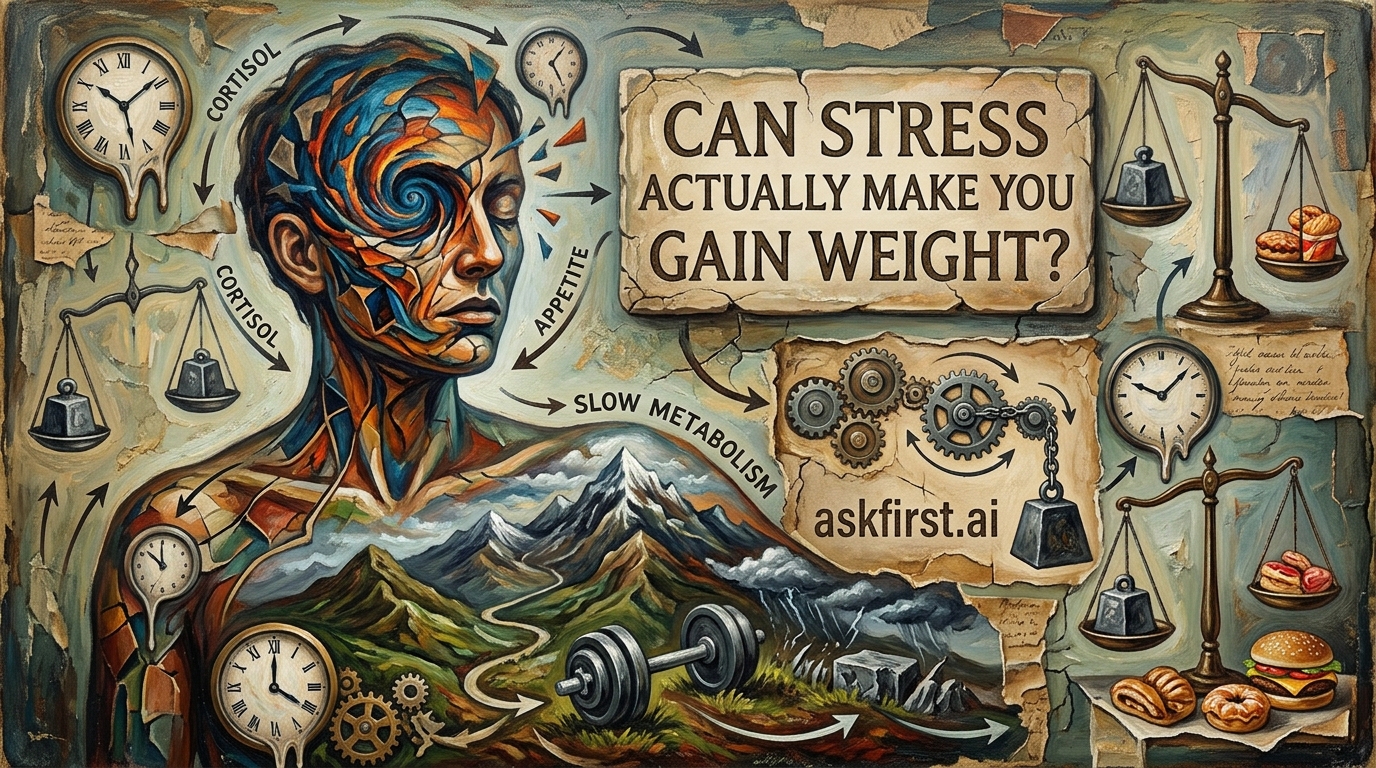
Yes, stress can absolutely contribute to weight gain. While it might seem counterintuitive since some people lose their appetite when stressed, for many others, the biological response to chronic stress leads directly to weight retention and fat accumulation.
Here is how the process works in your body:
- The Cortisol Connection: When you are stressed, your body releases a hormone called cortisol. In short bursts, this is helpful, but chronic stress keeps cortisol levels elevated. High cortisol levels encourage the body to store fat, particularly in the abdominal area (visceral fat), which is considered the most dangerous type of fat for your health.
- "Comfort Food" Cravings: Cortisol triggers cravings for foods that are high in sugar, fat, and calories. This is an evolutionary survival mechanism; your brain thinks you are in danger and signals you to store energy to "survive" the threat. These foods provide a temporary boost in serotonin, which makes you feel better in the short term, leading to emotional eating.
- Metabolic Slowdown: Chronic stress can negatively impact your metabolism. When the body is in "fight or flight" mode, it prioritizes immediate energy over long-term processes like digestion and metabolic efficiency, which can make it harder to burn calories effectively.
- Disrupted Sleep: Stress is a primary cause of insomnia and poor sleep quality. Lack of sleep disrupts your hunger hormones—specifically ghrelin (which makes you feel hungry) and leptin (which makes you feel full). When you are sleep-deprived, you are naturally hungrier and more likely to reach for high-calorie snacks.
- Reduced Motivation: When you are mentally and emotionally drained from stress, your capacity for willpower and physical activity decreases. You are less likely to exercise or prepare healthy meals, often opting for convenient, processed, or fast-food options.
What can you do about it?
- Prioritize Sleep: Aim for 7–9 hours of quality rest to help regulate your hunger hormones.
- Mindful Movement: Even light exercise, like walking or yoga, helps burn off excess cortisol and improves your mood.
- Stress Management Techniques: Incorporate deep breathing exercises, meditation, or journaling to help signal to your nervous system that you are safe.
- Nutrient-Dense Choices: When cravings hit, try to have healthy snacks readily available so you aren't relying on processed foods.
Disclaimer: I am an AI, not a doctor. If you are experiencing significant weight changes or chronic stress, please consult with a healthcare professional to rule out underlying medical conditions.