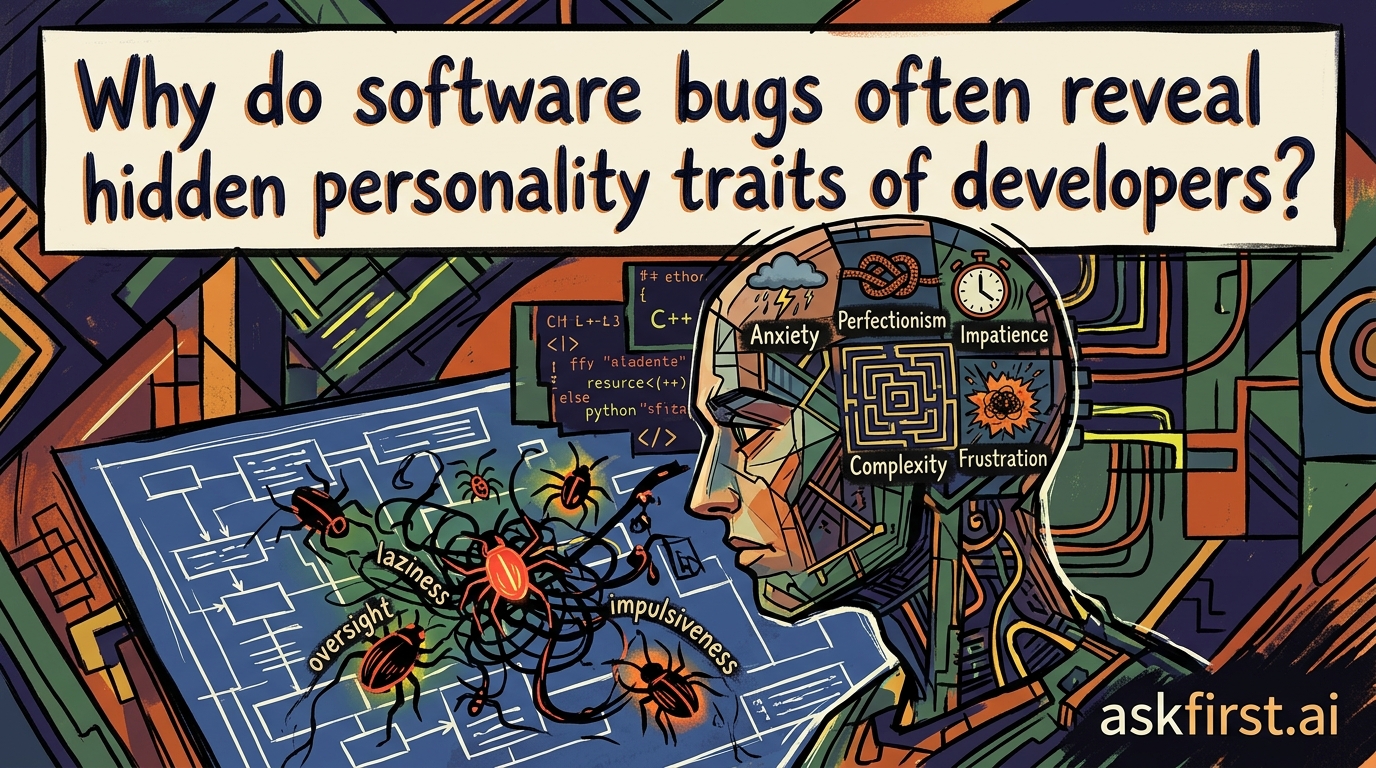
The Psychology of Code: Unmasking the Developer
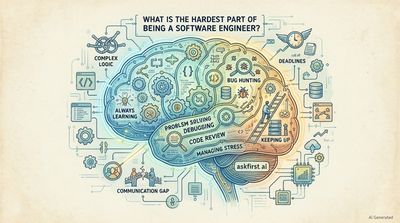
Software development is often mistakenly viewed as a purely logical, clinical process. However, code is, in essence, a direct projection of the creator's mental model, problem-solving habits, and emotional state. When a software bug manifests, it acts as a diagnostic mirror, reflecting not just faulty syntax, but the underlying psychological landscape of the individual who wrote it. Exploring why bugs reveal hidden personality traits requires diving into the intersection of cognitive psychology and software engineering.
The Pattern of Perfectionism vs. Pragmatism
The way a developer handles bugs often exposes their primary professional philosophy. Perfectionists tend to craft highly abstract, overly engineered solutions that are elegant but fragile. When a bug occurs in their code, they often perceive it as a personal failure or a flaw in their logic. Conversely, pragmatic developers—often associated with the 'move fast and break things' school of thought—might favor brute-force solutions. Their bugs typically arise from missing edge cases. Seeing how one approaches a debug session reveals whether they are an explorer who seeks to understand the root cause or a firefighter looking to suppress the symptom.
Cognitive Biases in the Codebase
Every developer carries cognitive biases into their work. For instance, the Confirmation Bias often leads a developer to look for bugs only where they expect the logic to fail, while the actual error resides in a section they believe to be bulletproof. A developer who consistently misses errors in certain areas is signaling a blind spot in their own perception. Analyzing the type of errors a developer commits repeatedly reveals their specific mental architecture:
- The Over-thinker: Often introduces bugs through unnecessary complexity or 'future-proofing' features that aren't yet needed, suggesting a high level of anxiety about future control.
- The Impatient Optimizer: Often causes stability issues by ignoring established patterns for the sake of speed, revealing a competitive or high-pressure personality.
- The Rigid Rule-Follower: Strictly adheres to style guides but fails to account for messy, real-world data, highlighting a reliance on external structure rather than internal intuition.
Communication Styles Through Commit Logs
Code is a form of communication, and bug fixes provide a unique window into how a developer interacts with their peers. A developer who leaves terse, cryptic, or aggressive commit messages during a debugging process often displays a lack of patience or collaborative empathy. On the other hand, those who leave descriptive notes explaining the 'why' behind a fix demonstrate a conscientious and teaching-oriented personality. The bug fix serves as a historical document that records the developer's maturity level and their capacity for self-reflection.
The 'Ego' in the Logic
There is a phenomenon where developers struggle to 'let go' of their code. This attachment is psychological. A bug challenges the developer’s expertise, and the way they react to peer-reviewed feedback on that bug reveals their level of professional insecurity or confidence. Defensive responses to bugs—where the developer blames the compiler, the environment, or the requirements—often mask a fragile professional ego. Conversely, developers who view bugs as interesting data points, rather than judgments on their character, typically demonstrate a 'Growth Mindset' as popularized by psychologist Carol Dweck.
Complexity Tolerance
Research suggests that a developer's personality dictates their tolerance for complexity. Developers with high cognitive empathy are better at writing code that is readable for others, resulting in fewer bugs related to maintenance. In contrast, individuals who prioritize their own internal logic over collaborative standards create 'hero code'—code that only they can fix. This often hints at a desire for indispensability. When a bug appears in such code, the developer’s response—whether they invite others in or hoard the solution—reveals whether they are team-oriented or an individualist seeking status through gatekeeping.
Conclusion: Code as an Identity
Ultimately, software bugs are not just technical errors; they are human artifacts. By analyzing the frequency, complexity, and recovery path of a bug, one can discern the temperament, communication style, and psychological stressors of the author. As software becomes the backbone of modern society, understanding that behind every line of code lies a human being with unique motivations and flaws becomes essential. Developing better code, therefore, begins with the psychological maturity of the developer, not just the quality of their editor or their choice of programming language.