The Anatomy of Phishing: A Comprehensive Guide to Digital Deception and Defense
Phishing is a form of social engineering where attackers deceive users into revealing sensitive information—such as login credentials, credit card numbers, or proprietary corporate data—by masquerading as a trustworthy entity in an electronic communication. In the modern digital ecosystem, phishing has evolved from rudimentary "spray-and-pray" email campaigns into highly sophisticated, targeted operations known as spear-phishing or whaling. Understanding the mechanics of these attacks is the first line of defense for both individual users and global enterprises.
The Mechanics of a Phishing Attack
At its core, phishing relies on the manipulation of human psychology rather than purely technical exploits. By creating a sense of urgency, fear, or curiosity, attackers bypass the critical thinking processes of their victims.
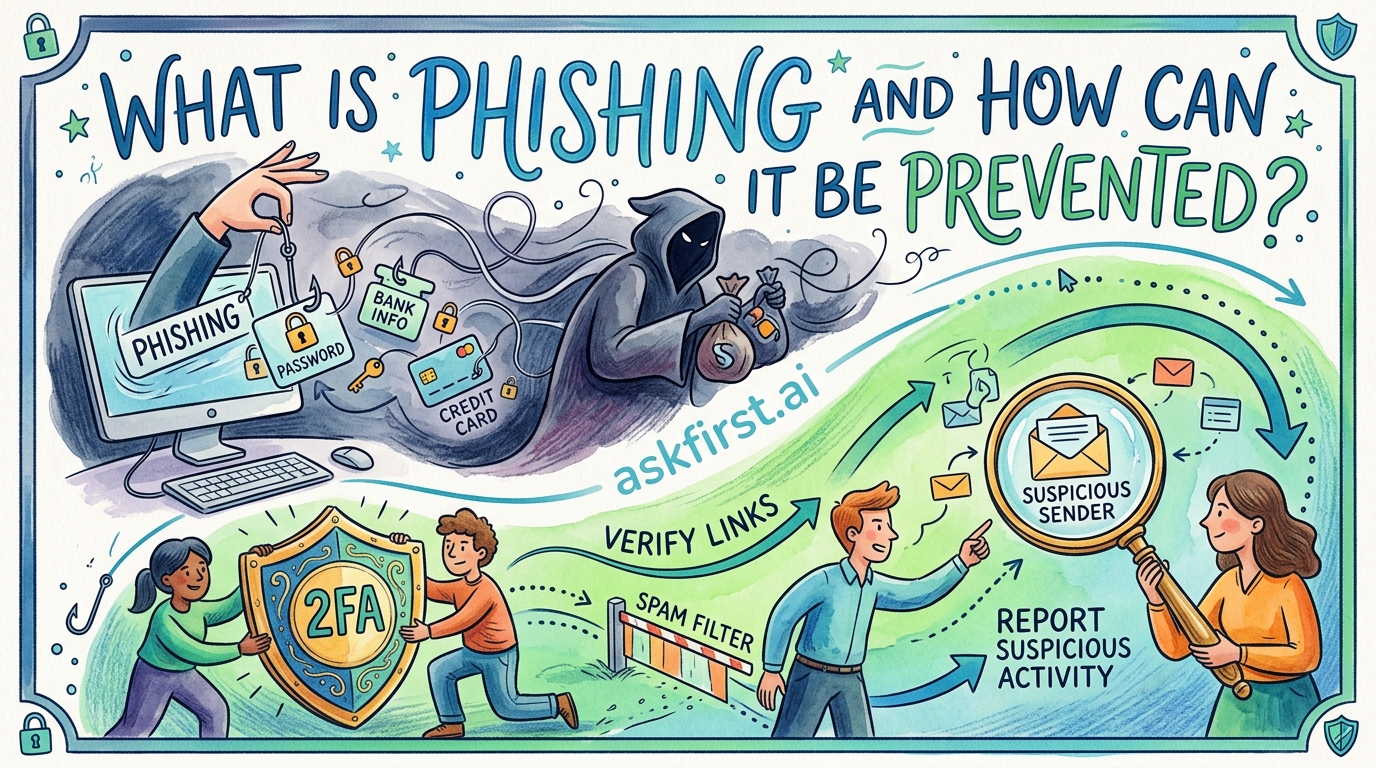
- The Pretexting Phase: The attacker establishes a believable scenario. This might be a notification from a bank stating that an account has been compromised, an urgent request from a "CEO" to a finance department employee, or a fake invoice from a service provider like Microsoft or Google.
- The Lure: The communication contains a call to action. This is usually a link to a fraudulent website that mimics a legitimate login portal or an attachment containing malware (often hidden in macro-enabled documents).
- The Capture: Once the victim interacts with the link or file, the attacker harvests the data. Modern phishing kits often employ "Man-in-the-Middle" (MitM) proxies, which allow attackers to capture Multi-Factor Authentication (MFA) tokens in real-time, rendering standard secondary security measures occasionally insufficient.
Evolution of Threats: From Mass Mailers to Targeted Attacks
According to the Verizon Data Breach Investigations Report (DBIR), phishing remains one of the top three vectors for data breaches globally. The evolution of these threats is categorized into three primary tiers:
- Mass Phishing: Broad, generic emails sent to millions, hoping for a low percentage of clicks. These are easily detected by modern email filters.
- Spear-Phishing: Highly personalized attacks directed at specific individuals or departments. Attackers conduct reconnaissance using LinkedIn, corporate websites, and social media to make their communication appear authentic.
- Business Email Compromise (BEC): A high-stakes variant where an attacker compromises a legitimate corporate email account to request unauthorized wire transfers or sensitive payroll data. As noted in "The Art of Deception" by Kevin Mitnick, the greatest vulnerability in any system is not the software, but the human user behind the keyboard.
Strategies for Prevention and Mitigation
Preventing phishing requires a multi-layered approach that combines technical controls with rigorous human training. Organizations and individuals should adopt the following "Defense in Depth" strategy:
1. Technical Safeguards
- Email Authentication Protocols: Implementing SPF (Sender Policy Framework), DKIM (DomainKeys Identified Mail), and DMARC (Domain-based Message Authentication, Reporting, and Conformance) is non-negotiable. These protocols verify that an email claiming to be from a domain is authorized to send mail on its behalf.
- Advanced Threat Protection (ATP): Use cloud-based email security solutions that utilize sandboxing to detonate attachments in a secure environment before they reach the inbox.
- FIDO2-Compliant Hardware Keys: Moving away from SMS-based MFA toward physical security keys (like YubiKeys) prevents attackers from intercepting authentication codes, effectively neutralizing most credential-harvesting attacks.
2. Human-Centric Defenses
- Security Awareness Training: Regular, simulated phishing exercises are essential. As described in "Social Engineering: The Science of Human Hacking" by Christopher Hadnagy, repeated exposure to training helps users recognize the markers of manipulation, such as mismatched URLs, urgent demands, or unusual greetings.
- The "Pause and Verify" Policy: Establish a culture where employees feel empowered to verify requests. If a request for a wire transfer or sensitive data arrives via email, a secondary verification channel—such as a phone call to a known number—should always be used.
- Endpoint Detection and Response (EDR): Deploying EDR tools ensures that even if a user clicks a malicious link, the damage is contained by isolating the compromised endpoint from the rest of the network.
Identifying the Red Flags
To remain vigilant, users must be trained to inspect the metadata of every interaction:
- URL Inspection: Hovering over links to verify the actual destination domain rather than the displayed text.
- Grammatical Discrepancies: While modern AI tools have improved the quality of phishing emails, inconsistencies in tone, branding, and professional standards remain common indicators.
- Unsolicited Urgency: Any communication that demands immediate action under the threat of account closure or legal consequences should be treated with extreme skepticism.
Conclusion
Phishing is a persistent, evolving threat that exploits the fundamental human tendency to trust and the modern pressure to react quickly. There is no "silver bullet" for prevention; rather, it is a continuous process of hardening technical infrastructure and cultivating a security-first culture. By implementing robust authentication protocols like DMARC, embracing hardware-based MFA, and fostering a workplace environment that prioritizes verification over speed, individuals and organizations can significantly reduce their attack surface. In the digital age, skepticism is not a character flaw—it is a vital security feature.