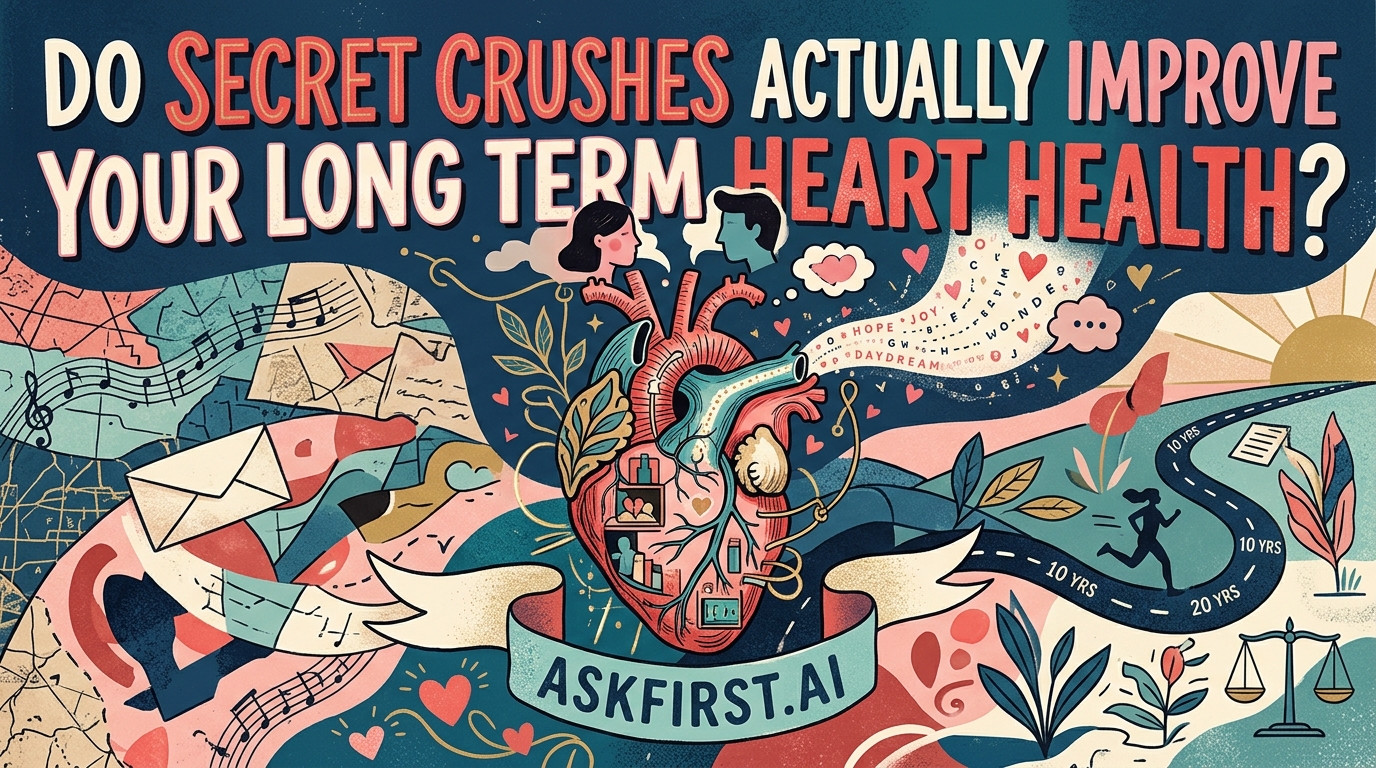
The Cardiovascular Implications of Secret Crushes: A Scientific Perspective
The human heart is often romanticized as the seat of our emotions, but in biological terms, it is a muscular pump governed by a complex interplay of hormones, neural pathways, and psychological states. When we harbor a "secret crush," we are essentially engaging in a state of prolonged, low-to-moderate intensity emotional arousal. While the colloquial wisdom suggests that love is good for the heart, the reality regarding secret, unrequited, or hidden affection is nuanced, oscillating between beneficial physiological stimulation and the potential for chronic stress.
The Physiology of Anticipation and Dopamine
A secret crush functions as a sustained psychological stimulus. When you are attracted to someone, the brain’s reward system—specifically the ventral tegmental area—releases a cascade of dopamine. This neurotransmitter is not merely about pleasure; it is about anticipation and motivation. In his seminal work, The Biology of Desire (2015), neuroscientist Marc Lewis explains how these neural circuits create a "wanting" mechanism that keeps the individual in a state of heightened alertness.
From a cardiovascular standpoint, this state of "positive anticipation" can act as a mild stimulant. Unlike the sudden, acute spikes of adrenaline caused by fear or anger, the dopamine-driven excitement of a crush can promote a sense of optimism and vitality. Some researchers, such as Dr. Helen Fisher in Why We Love: The Nature and Chemistry of Romantic Love (2004), suggest that the energy associated with early-stage attraction can lead to increased metabolic activity and a more active lifestyle, as the individual subconsciously prepares themselves to be more attractive or accessible to the object of their affection.
The "Stress vs. Excitement" Paradox
The primary question regarding long-term heart health is whether the secrecy of the crush induces chronic stress. Cortisol, the body’s primary stress hormone, is the enemy of cardiovascular longevity. If a secret crush is accompanied by intense social anxiety, fear of rejection, or the burden of keeping a significant secret, the body may enter a "fight or flight" mode.
According to Robert Sapolsky in his definitive text Why Zebras Don't Get Ulcers (2004), chronic activation of the sympathetic nervous system leads to elevated blood pressure and systemic inflammation, both of which are precursors to heart disease. If your secret crush makes you feel isolated or anxious, the physiological cost may outweigh the dopamine-induced benefits. However, if the crush is experienced as a "daydream" or a source of pleasant distraction, it can actually lower baseline stress levels by providing a mental escape from the mundane or high-pressure aspects of daily life.
Cardiovascular Benefits of Positive Affect
It is well-documented in the field of positive psychology that "positive affect"—the experience of joy, hope, and interest—is inversely related to the risk of coronary heart disease. A study published in the European Heart Journal (2017) examined how positive psychological states contribute to better autonomic nervous system function, including improved heart rate variability (HRV).
A secret crush often acts as a source of positive affect. It provides a "mental anchor" that keeps the mind engaged. If you are regularly thinking of this person with fondness, you are essentially practicing a form of self-soothing or emotional regulation. This is similar to the concept of "loving-kindness meditation" discussed by Sharon Salzberg in Real Love: The Art of Mindful Connection (2017), where the act of cultivating warm feelings for another, even internally, can reduce systemic inflammation and stabilize blood pressure.
Concrete Indicators of Heart Health
To determine if your secret crush is helping or hurting, observe your physiological markers:
- Heart Rate Variability (HRV): If you find yourself smiling or feeling energized when thinking about the person, your HRV is likely stable. If you feel a "tightness" in your chest or a racing, irregular heartbeat, you are likely experiencing anxiety rather than healthy infatuation.
- Sleep Quality: As noted by Matthew Walker in Why We Sleep (2017), cardiovascular health is heavily dependent on restorative rest. If your secret crush is causing rumination that leads to insomnia, the net effect on your heart is negative.
- Lifestyle Changes: If the crush motivates you to exercise, eat better, or socialize more, the indirect benefits to your cardiovascular system are immense.
Conclusion: A Balanced View
The impact of a secret crush on long-term heart health is not a matter of the emotion itself, but of the individual’s psychological response to it. If the crush is a source of inspiration, hope, and positive reinforcement, it can indeed contribute to a healthier cardiovascular profile by reducing the impact of chronic stress and fostering a more optimistic outlook. Conversely, if it becomes a source of secrecy-induced anxiety and social withdrawal, it may place unnecessary strain on the body.
Ultimately, the heart thrives on connection and positive engagement. Whether that connection is fully realized or held in the quiet chambers of the imagination, the key to heart health lies in maintaining a balance where the emotion serves as a source of vitality rather than a reservoir of stress. By managing the intensity of these feelings and ensuring they do not disrupt the fundamental pillars of health—sleep, diet, and stress management—a secret crush can be a delightful and potentially heart-healthy aspect of the human experience.