The Physiological Power of Laughter: An Immunological Perspective
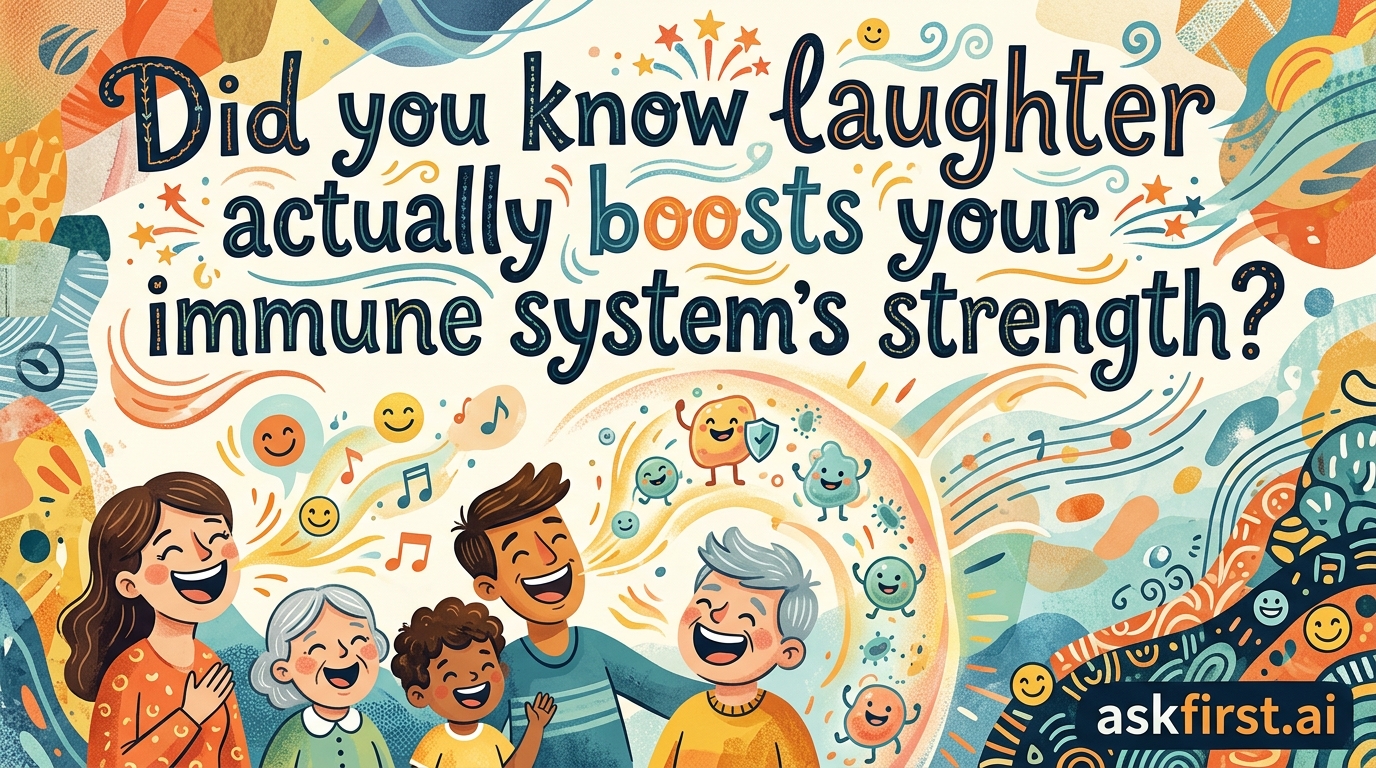
Laughter is often described as the best medicine, but modern psychoneuroimmunology reveals that this adage is grounded in concrete biological mechanisms. The act of laughing is not merely an expression of mirth; it is a complex physiological event that initiates a cascade of chemical reactions, potentially bolstering the body’s defenses against pathogens. Research into the relationship between humor and immune function suggests that intentional and spontaneous laughter can significantly influence the endocrine and immune systems.
The Neuroendocrine Cascade
When a human experiences genuine laughter, the brain coordinates a rapid shift in neuroendocrine output. The hypothalamus stimulates the pituitary gland, which in turn influences the adrenal glands to adjust the secretion of cortisol and catecholamines—hormones commonly associated with the stress response. Chronic stress is well-documented to suppress immune function; by mitigating the impact of these stress hormones, laughter helps maintain a more favorable internal environment for immune cells to operate. This reduction in cortisol is critical because elevated glucocorticoid levels over time are known to inhibit T-cell proliferation and cytokine production.
Immunoglobulin A and First-Line Defense
One of the most compelling pieces of evidence for laughter's efficacy involves the secretion of Salivary Immunoglobulin A (S-IgA). S-IgA is an antibody that serves as a primary line of defense in the upper respiratory tract. Studies have consistently demonstrated that individuals who are exposed to humorous stimuli exhibit increased levels of S-IgA compared to control groups. This increase signifies an enhanced capacity to fend off viruses and bacteria that enter the body through the mouth and nose. In essence, a hearty laugh acts as a temporary booster for mucosal immunity.
The Role of Natural Killer Cells
Beyond antibodies, laughter has been linked to the heightened activity of Natural Killer (NK) cells. NK cells are a type of cytotoxic lymphocyte crucial to the innate immune system. They possess the unique ability to identify and destroy virally infected cells and early-stage tumor cells without prior sensitization. Clinical investigations have observed that after watching comedic material, participants displayed higher NK cell activity and an increased production of gamma-interferon, an essential cytokine for immune regulation. This suggests that the positive emotional state induced by laughter provides an immediate, albeit temporary, tactical advantage to the innate immune system.
Mechanisms of Laughter Therapy
Deep Breathing and Oxygenation: Laughter requires forced, rhythmic exhalations, which encourages deep breathing. This movement of the diaphragm improves oxygen circulation to vital organs, reducing the physiological strain that often accompanies sedentary lifestyles.
Muscle Relaxation: The physical act of laughter induces a cycle of muscle contraction and subsequent relaxation. This cycle is effective in decreasing physical tension, which can help in reducing the systemic inflammation markers that plague high-stress individuals.
Social Bonding and Oxytocin: Laughter is fundamentally a social behavior. It triggers the release of oxytocin, a neuropeptide associated with social bonding and stress reduction. Stronger social connections correlate with increased longevity and lower systemic inflammation, suggesting that the social aspects of laughter contribute to immune longevity.
Considerations for Long-Term Health
While the correlation between laughter and immune performance is significant, it should be viewed as a complementary component of health rather than a standalone curative therapy. The cumulative effects of a lifestyle that incorporates humor are likely responsible for the long-term benefits seen in epidemiological studies. Maintaining a positive outlook, engaging in social activities, and intentionally seeking out humor can facilitate a more resilient immune system over the lifespan. Experts suggest that consistent engagement with humor—whether through literature, social interactions, or comedy—can serve as a valuable tool for psychological and physiological maintenance. The brain, it seems, is finely tuned to respond to joy, and the body follows suit by reinforcing its protective barriers against the outside world. Incorporating laughter into daily routines acts as a gentle, non-invasive method to optimize biological functioning, proving that biology is as much about mood as it is about molecules.