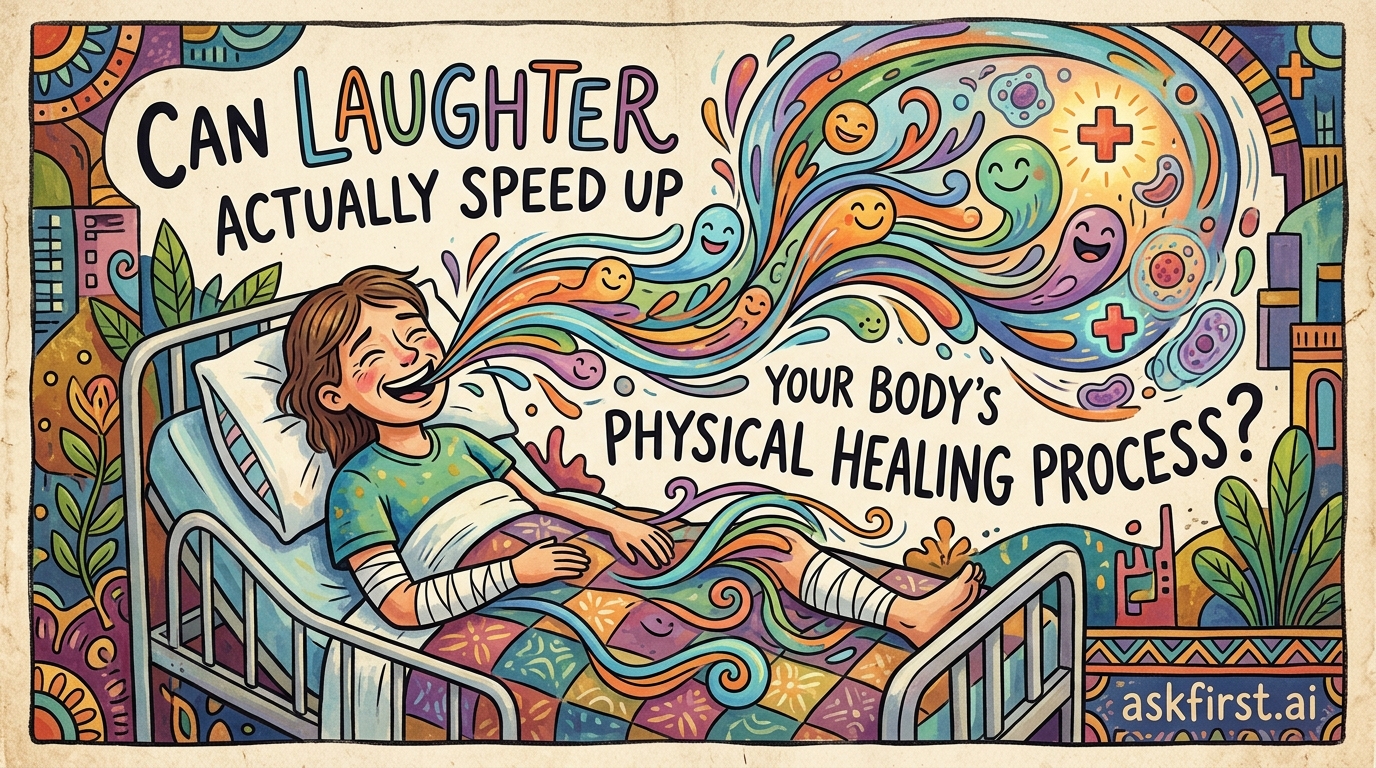
The Science of Mirth: How Laughter Acts as Biological Medicine
The notion that laughter is the best medicine has moved far beyond the realm of whimsical proverbs. In the scientific community, the physiological impact of humor and laughter has become a subject of rigorous exploration. Laughter is a complex, total-body reflex that initiates a cascade of neurochemical, immunological, and physical changes, effectively serving as a catalyst for human recovery and homeostatic balance.
The Neurochemical Cascade
When a person experiences genuine laughter, the brain undergoes a remarkable transition. This process begins with the activation of the limbic system, particularly the amygdala and the hippocampus, which regulate emotional responses. As laughter triggers these regions, the hypothalamus signals the endocrine system to adjust hormone production. Research consistently shows that a hearty laugh reduces the levels of serum cortisol—the body's primary stress hormone. By curbing the "fight or flight" response, the body transitions into a parasympathetic state, which is essential for restorative healing and cellular repair.
Concurrently, laughter stimulates the release of endorphins, the body’s natural endogenous opioids. These chemicals are instrumental in pain modulation, effectively increasing the pain threshold and enhancing physical tolerance during recovery phases. By elevating these neurochemicals, laughter does not merely distract from physical discomfort; it physically mitigates the perception of pain at the neurological level.
Immunological Enhancement
Perhaps the most fascinating aspect of laughter is its measurable effect on the immune system. Studies conducted by immunologists have demonstrated that laughter increases the activity of natural killer (NK) cells. These cells are specialized components of the immune system that target and destroy virally infected cells and potential tumor-forming cells. A sustained period of laughter has been linked to an increase in activated T-cells and a boost in Gamma-interferon, which optimizes the body's defensive coordination against pathogens. This internal "immunological boost" ensures that the body’s resources are efficiently directed toward wound healing and tissue regeneration.
Physical Mechanics: The Internal Workout
Laughter serves as a low-impact form of isometric exercise. When someone laughs, the diaphragm, abdomen, and respiratory muscles contract repeatedly. This internal movement results in several physical benefits:
- Enhanced Oxygenation: Rapid, rhythmic breathing associated with laughter increases the flow of oxygen-rich blood throughout the body. Increased oxygenation is critical for nutrient transport and metabolic waste removal at the site of tissue injury.
- Vascular Dilation: The short-term cardiovascular challenge of laughter acts as a gentle stress test for the heart, which, in the long term, improves vascular endothelial function. Better blood flow promotes faster circulation to injured tissues.
- Muscular Relaxation: The post-laughter period is characterized by significant muscle relaxation. After the involuntary spasms of laughter subside, the muscles often remain loose for up to 45 minutes, reducing overall physical tension that can often impede recovery and exacerbate chronic pain.
The Social Connection to Physiology
Human beings are innately social, and the healing benefits of laughter are amplified within social contexts. Interpersonal laughter releases oxytocin, the "bonding hormone." Oxytocin has been shown in various clinical studies to play a direct role in wound healing and general physiological wellness. By lowering blood pressure and promoting a sense of safety, the presence of humor in a recovery setting reduces the psychosomatic barriers to healing. Patients who engage in humorous interaction with peers or caregivers report lower levels of perceived stress, which allows the body to prioritize biological repair over defense mechanisms.
Bridging the Gap: From Theory to Practice
While laughter is not a replacement for traditional medical treatment or necessary pharmaceuticals, it serves as a powerful integrative modality. It functions as a supportive physiological state. Experts in integrative medicine often suggest "laughter therapy" as a non-invasive way to supplement recovery protocols. The cumulative effect of humor-induced relaxation and immune activation can lead to shorter recovery times, improved mood, and a more robust biological environment conducive to healing.
In summary, the biological evidence is compelling. Laughter acts as a bridge between psychological state and physiological performance. By modulating hormones, strengthening immune responses, and improving systemic oxygenation, it serves as a tangible, evolutionary tool designed to restore the body. Future research continues to uncover how humor affects cellular longevity and gene expression, suggesting that the benefits of a good laugh are as deep as they are broad. Ultimately, integrating humor into the healing process is not just a pleasant distraction; it is a scientifically grounded strategy for physical optimization.