Nutritional Oncology: A Comprehensive Guide to Dietary Strategies Against Cancer Progression
The relationship between diet and oncology is one of the most rigorously studied fields in modern medicine. While no single food can serve as a "cure" for cancer, a growing body of evidence suggests that specific bioactive compounds found in whole foods can interfere with the signaling pathways that allow cancer cells to proliferate, survive, and metastasize. By focusing on nutrient-dense, plant-based foods, individuals can create an internal environment that is less hospitable to malignancy. This article explores the evidence-based dietary components that have demonstrated the ability to inhibit cancer growth mechanisms.
1. Cruciferous Vegetables and the Power of Sulforaphane
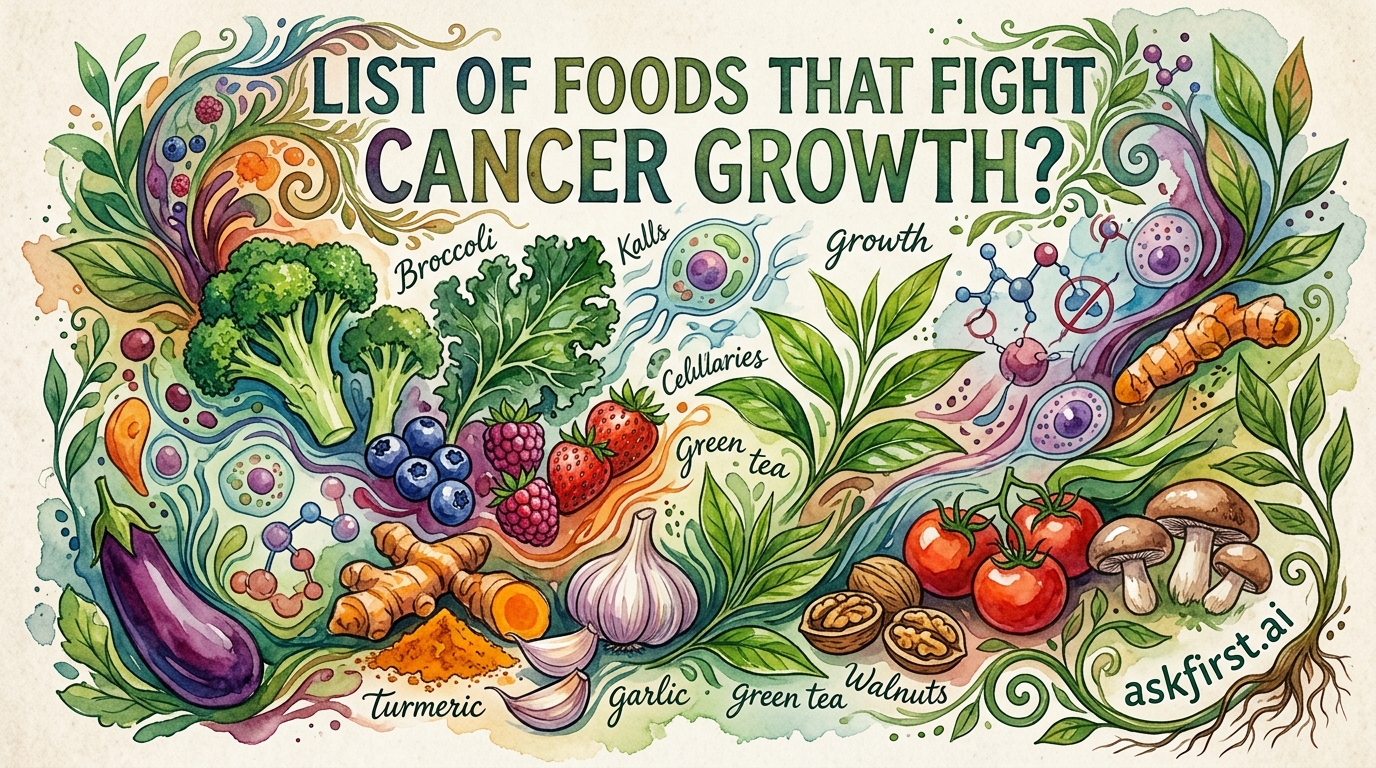
Cruciferous vegetables, including broccoli, cauliflower, Brussels sprouts, kale, and bok choy, are among the most potent anti-cancer foods available. Their efficacy is primarily attributed to a sulfur-rich compound called sulforaphane.
As noted by Dr. William Li in his seminal work Eat to Beat Disease, sulforaphane acts as a powerful inducer of Phase II detoxification enzymes. These enzymes help the body neutralize carcinogens before they can damage cellular DNA. Furthermore, research conducted at the Johns Hopkins University School of Medicine suggests that sulforaphane can inhibit histone deacetylases (HDACs), enzymes that are often overactive in cancer cells and contribute to the silencing of tumor-suppressor genes.
- Concrete Example: To maximize the bioavailability of sulforaphane, it is recommended to lightly steam broccoli for three to four minutes rather than boiling it, as high heat can destroy the enzyme myrosinase, which is necessary to convert glucoraphanin into the active sulforaphane.
2. Polyphenols and Angiogenesis Inhibition
Cancer cells require a dedicated blood supply to grow beyond a microscopic size, a process known as angiogenesis. Certain foods are rich in natural angiogenesis inhibitors, which effectively "starve" tumors by preventing the formation of new blood vessels.
Green tea, specifically the variety known as Matcha, is exceptionally high in Epigallocatechin gallate (EGCG). In the book Anti-Cancer: A New Way of Life by Dr. David Servan-Schreiber, the author details how EGCG acts as a potent inhibitor of VEGF (Vascular Endothelial Growth Factor), a protein that signals the body to grow new blood vessels to feed tumor tissue.
- Key Sources: Aside from green tea, other polyphenol-rich foods include dark berries (blueberries, raspberries), dark chocolate (with at least 70% cocoa content), and turmeric.
3. The Role of Curcumin in Inflammation Modulation
Chronic inflammation is a well-documented driver of carcinogenesis. It creates a microenvironment characterized by oxidative stress and cytokine production, which can facilitate the mutation of healthy cells.
Curcumin, the active polyphenol in the spice turmeric, has been extensively studied for its ability to modulate inflammatory pathways. According to research published in the Journal of Clinical Oncology, curcumin inhibits NF-κB, a protein complex that controls transcription of DNA and is frequently constitutively activated in many human cancers. By suppressing NF-κB, curcumin helps reduce the inflammatory "fuel" that cancer cells use to survive.
- Pro-Tip: Curcumin has notoriously poor bioavailability on its own. To increase absorption by up to 2,000%, it should be consumed alongside black pepper, which contains piperine, an alkaloid that inhibits the metabolic breakdown of curcumin in the liver.
4. Allium Vegetables and DNA Repair
Members of the allium family—garlic, onions, leeks, and shallots—are rich in organosulfur compounds. These compounds have been shown in various epidemiological studies, including those cited by the American Institute for Cancer Research (AICR), to enhance DNA repair and induce apoptosis (programmed cell death) in cancer cells.
Garlic, in particular, contains allicin, which is released when the garlic is crushed or chopped. Allicin has been observed to inhibit the proliferation of cancer cells in the stomach and colon by blocking the cell cycle, effectively stopping the cancer cells from dividing and replicating their damaged DNA.
5. Fiber-Rich Foods and the Microbiome Connection
The gut microbiome plays a critical role in systemic immunity. A diet high in soluble and insoluble fiber, found in legumes, whole grains, and nuts, serves as a prebiotic, feeding the beneficial bacteria in the colon. These bacteria produce short-chain fatty acids (SCFAs) like butyrate, which have anti-tumorigenic properties.
According to Dr. Michael Greger in his book How Not to Die, high fiber intake is inversely associated with the risk of colorectal cancer. Fiber helps move carcinogens through the digestive tract more quickly, reducing the time the colon lining is exposed to potential toxins.
Conclusion
Integrating these foods into a daily dietary pattern is not merely about "fighting" cancer but about optimizing the body's biological defenses. By prioritizing cruciferous vegetables for their detoxification properties, green tea for angiogenesis inhibition, turmeric for inflammation control, and allium vegetables for DNA integrity, one creates a robust nutritional defense system. It is vital to remember that these strategies work best as part of a holistic lifestyle that includes regular physical activity, adequate sleep, and the avoidance of known carcinogens like processed meats and excessive alcohol. While genetics play a role in health outcomes, the cumulative effect of daily dietary choices remains one of the most powerful tools in preventative and supportive oncology.