The Etiology of Conjunctivitis: A Comprehensive Clinical Overview
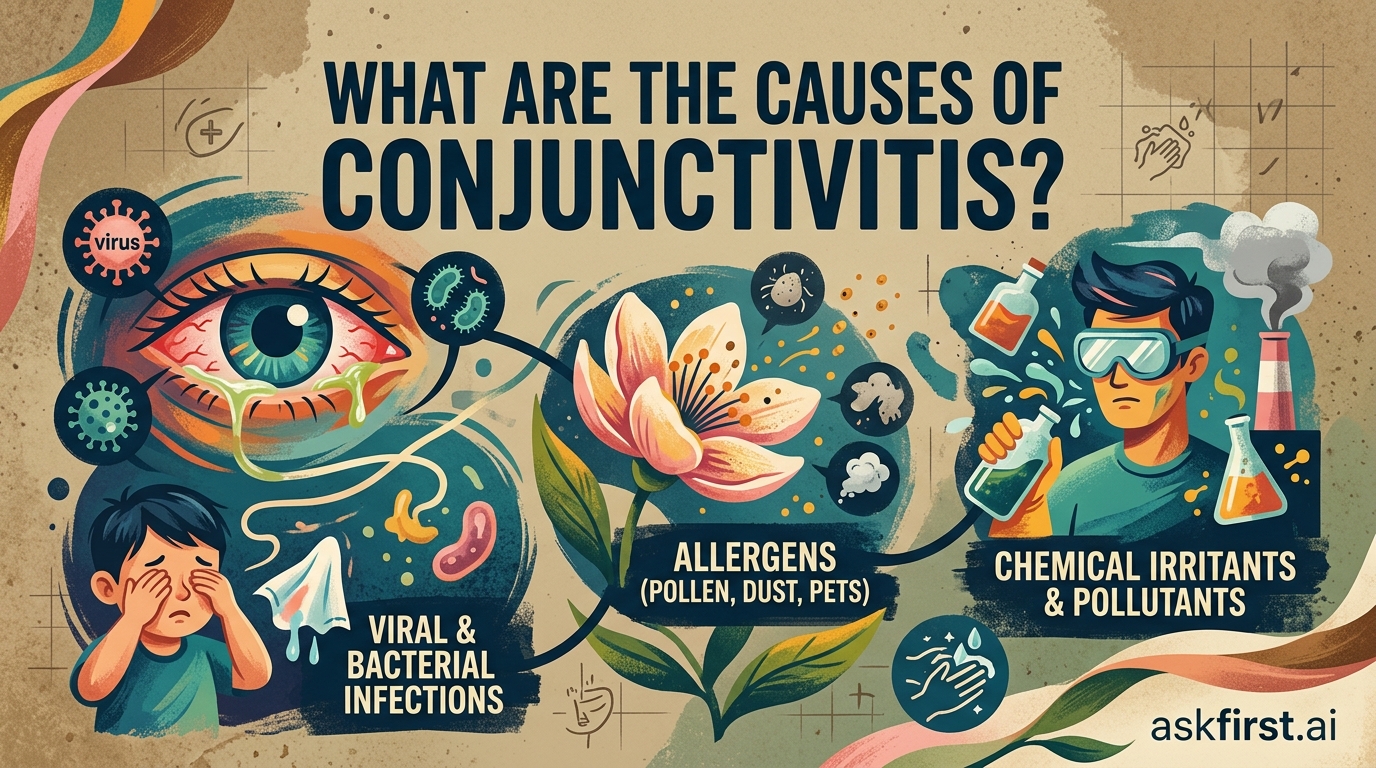
Conjunctivitis, colloquially known as "pink eye," represents one of the most common ocular conditions encountered in clinical practice. It is defined as the inflammation of the conjunctiva—the thin, transparent mucous membrane that lines the inner surface of the eyelids and covers the white part of the eyeball (the sclera). While often self-limiting, understanding the underlying causes is critical for proper management, as the etiology dictates the treatment trajectory. The condition is broadly categorized into three primary causes: viral, bacterial, and allergic, though chemical and environmental irritants also play significant roles.
1. Viral Conjunctivitis: The Most Common Culprit
Viral conjunctivitis is the most prevalent form of the condition and is highly contagious. It is frequently associated with upper respiratory tract infections, cold symptoms, or sore throats.
- Adenoviral Infections: According to the American Academy of Ophthalmology (AAO), the most frequent cause of viral conjunctivitis is the adenovirus. This virus is notorious for its resilience and can persist on environmental surfaces for weeks. It often presents with watery discharge, a gritty sensation in the eye, and significant photophobia.
- Transmission Dynamics: The virus spreads through direct contact with contaminated fingers, towels, or cosmetic products. Clinical manifestations often begin in one eye and frequently spread to the other within days due to autoinoculation.
- Clinical Presentation: Patients typically experience a "follicular" response—small, bump-like structures on the underside of the eyelid. As noted in the textbook Clinical Ophthalmology: A Systematic Approach by Jack J. Kanski, the inflammation is self-limiting but can last for two to three weeks, requiring supportive care such as cold compresses and artificial tears.
2. Bacterial Conjunctivitis: When Pathogens Take Hold
Bacterial conjunctivitis is characterized by a thicker, purulent discharge that often causes the eyelids to crust or stick together, particularly upon waking in the morning.
- Common Organisms: In adults, Staphylococcus aureus is the most common causative agent. In children, however, Streptococcus pneumoniae, Haemophilus influenzae, and Moraxella catarrhalis are more frequently implicated.
- The Role of Hygiene: Bacterial forms often arise from poor hand hygiene or contaminated contact lenses. In more severe cases, particularly in neonates, infections like Neisseria gonorrhoeae or Chlamydia trachomatis can lead to sight-threatening complications if not treated with systemic antibiotics.
- Diagnosis and Treatment: Unlike viral forms, bacterial conjunctivitis requires topical antibiotic therapy, such as erythromycin ointment or polymyxin B/trimethoprim drops, to reduce the duration of symptoms and the period of contagion.
3. Allergic Conjunctivitis: The Hypersensitivity Response
Allergic conjunctivitis is a non-contagious inflammation triggered by an overreaction of the immune system to environmental allergens. It is distinct from infectious forms due to the hallmark symptom of intense, unrelenting pruritus (itching).
- Common Triggers: Pollen, pet dander, dust mites, and mold spores are the primary instigators. Individuals with a history of atopic conditions, such as asthma or eczema, are significantly more susceptible.
- Mechanisms of Action: When an allergen comes into contact with the conjunctiva, mast cells release histamine and other inflammatory mediators. This leads to vasodilation (redness) and chemosis (swelling of the conjunctiva).
- Management Strategies: As outlined in The Wills Eye Manual by Nika Bagheri and colleagues, treatment focuses on allergen avoidance and the use of antihistamine eye drops or mast cell stabilizers. The "rubbing" of eyes in response to itching can actually worsen the condition by releasing more histamine from mast cells, creating a vicious cycle.
4. Chemical and Irritant Conjunctivitis
Beyond biological pathogens and allergens, the conjunctiva can react to external physical or chemical insults. This is often referred to as toxic or irritant conjunctivitis.
- Chemical Exposure: Exposure to chlorine in swimming pools, smog, smoke, or even the harsh preservatives found in certain multi-dose eye drops can induce an inflammatory response.
- Foreign Bodies: Persistent contact lens wear, particularly if the lenses are not cleaned properly or are worn for extended periods, can lead to Giant Papillary Conjunctivitis (GPC). GPC is an inflammatory reaction to the mechanical trauma of the lens surface against the conjunctiva, often resulting in large papillae on the superior tarsal conjunctiva.
Conclusion: Recognizing the Patterns
Distinguishing between these causes is essential for effective intervention. While viral conjunctivitis is largely supportive in nature, bacterial infections necessitate antibiotic intervention, and allergic conjunctivitis requires immunological management. The key to clinical differentiation lies in the nature of the discharge (watery vs. purulent), the presence of itching, and the history of recent exposures. Regardless of the cause, maintaining rigorous hand hygiene and avoiding the sharing of personal items such as towels or pillowcases remains the gold standard for preventing the spread of infectious conjunctivitis. If symptoms persist, cause significant pain, or impact visual acuity, consultation with an eye care professional is mandatory to rule out more serious corneal involvement.