The Biological Imperative: Why Physical Activity is the Cornerstone of Longevity
Physical exercise is not merely a tool for aesthetic improvement or weight management; it is a fundamental biological requirement for the human organism. From an evolutionary perspective, the human body was designed for endurance, locomotion, and constant movement. In the modern sedentary era, the lack of physical exertion has become a primary driver of chronic disease. When we exercise, we trigger a cascade of physiological processes that optimize cellular function, hormonal balance, and structural integrity. To understand why exercise is the most potent "medicine" available, we must examine its systemic impact on the human body.
Metabolic Optimization and Insulin Sensitivity
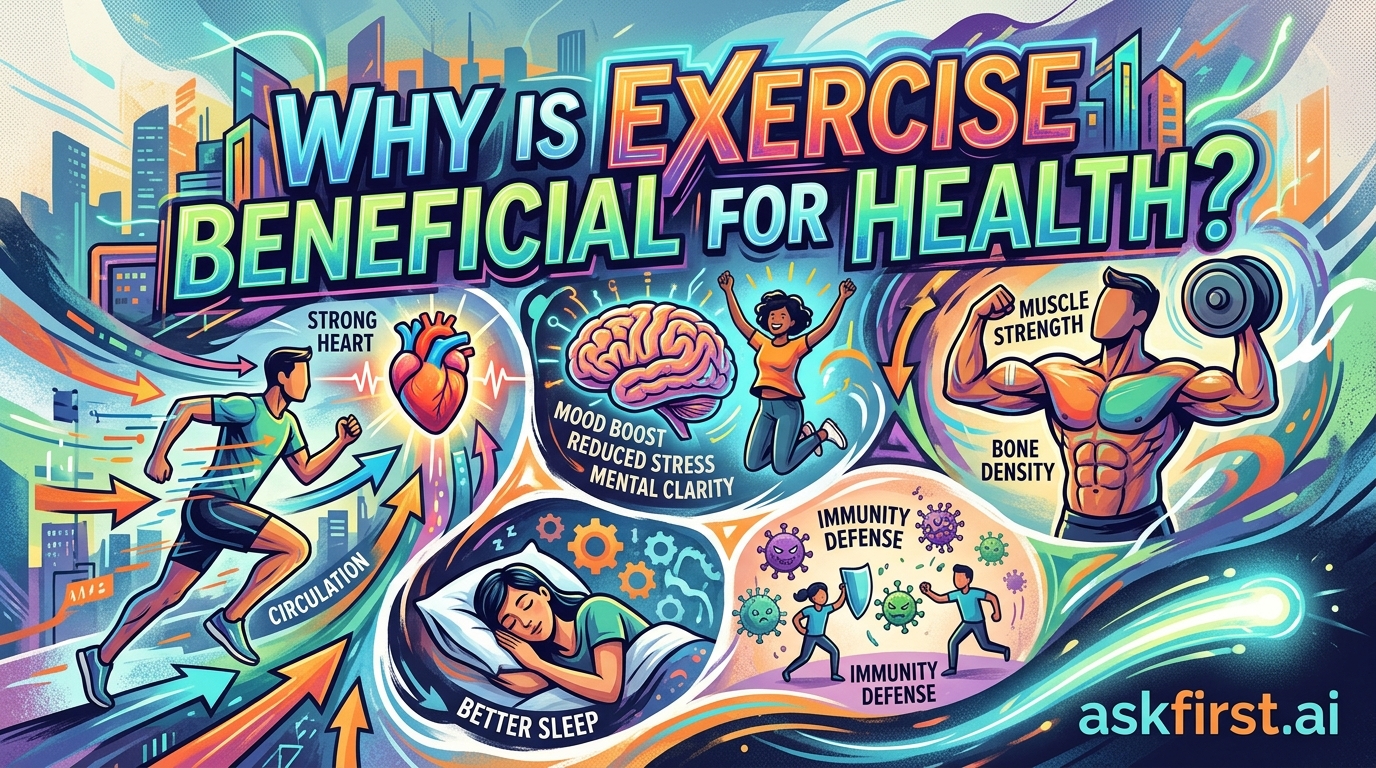
One of the most immediate benefits of regular physical activity is the dramatic improvement in metabolic health. When you engage in exercise, your muscles require glucose for fuel. This process stimulates the translocation of GLUT4 glucose transporters to the surface of muscle cells, allowing them to absorb glucose from the bloodstream even in the presence of low insulin levels.
According to Dr. Peter Attia in his comprehensive work Outlive: The Science and Art of Longevity, exercise is the single most effective intervention for increasing insulin sensitivity. By reducing the systemic glucose load, exercise prevents the chronic hyperinsulinemia that leads to type 2 diabetes and metabolic syndrome. Furthermore, resistance training increases the total surface area of muscle tissue—often described as a "metabolic sink"—which provides a greater capacity for glucose disposal, thereby protecting the body from the systemic inflammation associated with metabolic dysfunction.
Cardiovascular Resilience and Endothelial Function
The cardiovascular system is perhaps the most direct beneficiary of consistent aerobic training. Exercise induces structural changes in the heart, including left ventricular hypertrophy, which increases the heart's stroke volume. This means the heart becomes more efficient at pumping blood with every beat, lowering the resting heart rate and reducing the workload on the cardiovascular system.
Beyond the heart, exercise is critical for endothelial health. The endothelium, the thin lining of our blood vessels, requires the mechanical stress of increased blood flow (shear stress) to maintain its ability to dilate and constrict properly. As highlighted by Dr. Dean Ornish in Reversing Heart Disease, regular aerobic activity helps maintain the production of nitric oxide, a molecule that keeps arteries supple and prevents the formation of plaques. This systemic "flushing" of the vascular system reduces the risk of hypertension, atherosclerosis, and ischemic events.
Neuroplasticity and Cognitive Preservation
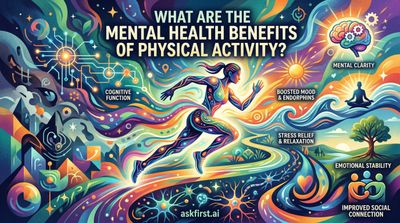
Perhaps the most exciting area of contemporary research is the impact of exercise on the brain. Physical activity is a potent trigger for the release of Brain-Derived Neurotrophic Factor (BDNF), a protein often referred to as "Miracle-Gro for the brain." BDNF promotes neurogenesis (the creation of new neurons) and strengthens synaptic connections, particularly in the hippocampus, the region responsible for memory and learning.
In the book Spark: The Revolutionary New Science of Exercise and the Brain, Dr. John Ratey explains that exercise functions as a stressor that forces the brain to adapt. By increasing blood flow to the prefrontal cortex, exercise improves executive function, focus, and emotional regulation. This is why individuals who maintain high levels of physical activity show a significantly lower incidence of neurodegenerative diseases, including Alzheimer's and dementia, as the structural integrity of their neural networks is better preserved against age-related decay.
Skeletal Integrity and Hormonal Balance
As we age, the dual threats of sarcopenia (muscle loss) and osteopenia (bone density loss) become primary concerns for quality of life. Resistance training provides the mechanical loading necessary to stimulate osteoblast activity, the cells responsible for bone formation.
Moreover, exercise serves as a master regulator of the endocrine system. It helps modulate cortisol levels, preventing the chronic elevation of this "stress hormone" that can lead to muscle wasting and visceral fat accumulation. Simultaneously, it promotes a healthy profile of growth hormones and testosterone, which are essential for tissue repair and vitality. This hormonal optimization is why individuals who train consistently often report higher levels of energy and better sleep quality, as exercise helps reset the circadian rhythm and promotes deep, restorative sleep cycles.
Conclusion: The Holistic Prescription
The benefits of exercise are not isolated to a single organ system; they are holistic and synergistic. Whether it is the reduction of systemic inflammation, the enhancement of mitochondrial density within cells, or the preservation of cognitive function, the evidence is irrefutable. Exercise is the foundational behavior upon which all other health interventions—nutrition, sleep, and stress management—are built.
To thrive in the modern world, one must prioritize movement as a non-negotiable daily habit. Whether through high-intensity interval training (HIIT), heavy resistance training, or consistent zone-2 aerobic activity, the goal is to provide the body with the mechanical and metabolic stimuli it requires to function at its peak. By viewing exercise not as a chore, but as a biological necessity, we empower ourselves to live not just longer, but with a higher "healthspan"—the period of life spent in good health, free from the limitations of chronic disease.