The phenomenon of Japanese longevity is one of the most studied subjects in global gerontology. With a life expectancy that consistently ranks at the top of the World Health Organization’s (WHO) global charts, Japan serves as a living laboratory for the study of healthy aging. While genetic factors play a minor role, the consensus among researchers—including those at the Okinawa Centenarian Study—is that longevity is primarily a product of a synergistic relationship between nutrition, social structure, healthcare access, and cultural attitudes toward aging.
The Nutritional Foundation: The "Hara Hachi Bu" Philosophy
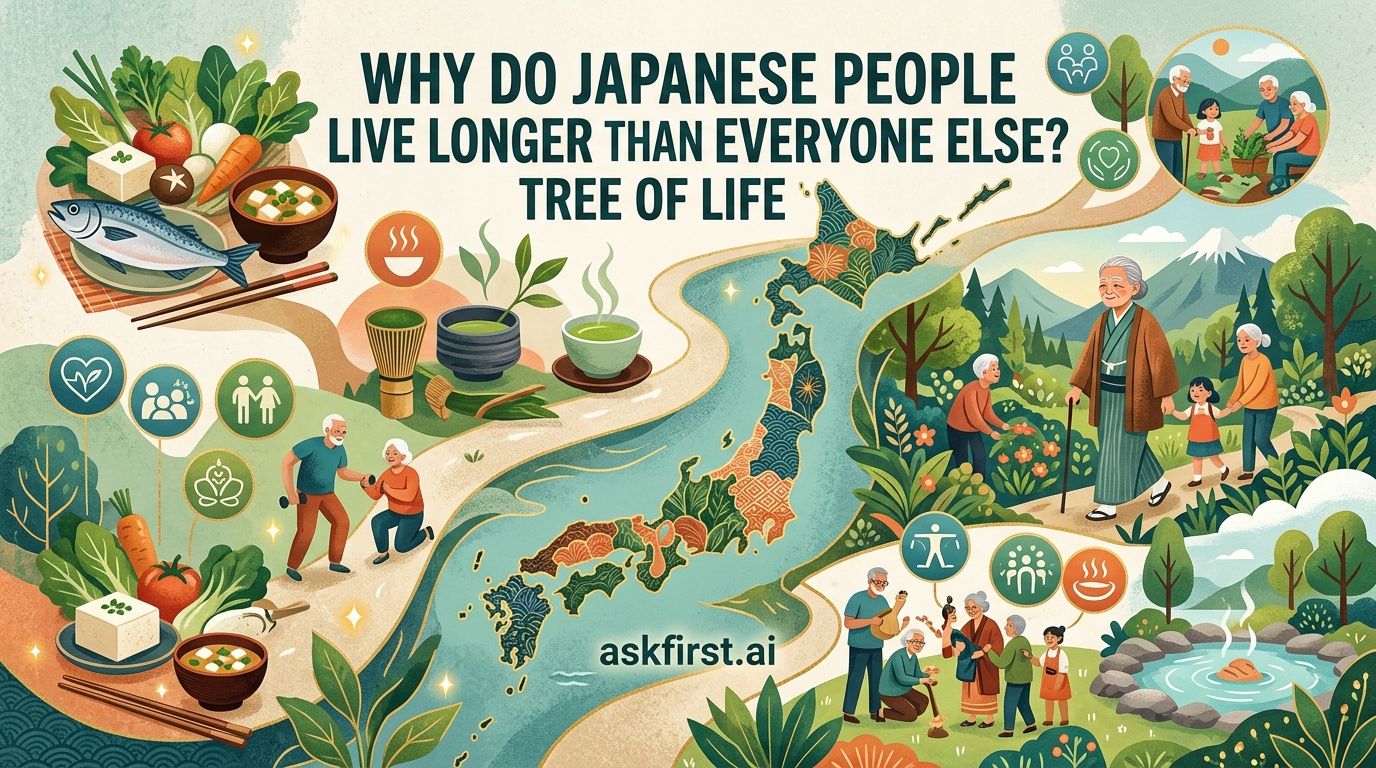
The Japanese diet is fundamentally different from the Western "Standard Diet," which is often high in processed sugars and saturated fats. In Japan, the emphasis is placed on nutrient density rather than caloric excess. A cornerstone of this dietary habit is the concept of Hara Hachi Bu, a Confucian-derived practice originating from Okinawa, which dictates that one should stop eating when they are 80% full. This practice prevents the metabolic strain associated with overeating and helps maintain a healthy Body Mass Index (BMI) throughout adulthood.
Key dietary components include:
- Fermented Soy: Miso, natto, and soy sauce are staples that provide high-quality plant proteins and probiotics, which are essential for gut microbiome health.
- Marine-Based Nutrition: The high consumption of fatty fish (rich in Omega-3 fatty acids) and seaweed (packed with iodine, magnesium, and calcium) provides strong cardiovascular protection.
- Green Tea: The ubiquitous consumption of sencha and matcha provides a massive infusion of catechins, specifically Epigallocatechin gallate (EGCG), which has been linked in studies published in the Journal of the American Medical Association (JAMA) to reduced risks of heart disease and certain cancers.
The Role of Social Cohesion: "Moai" and Community
Longevity is not merely a biological outcome; it is a social one. In Dan Buettner’s seminal work, The Blue Zones: Lessons for Living Longer From the People Who've Lived the Longest, he highlights the Japanese concept of the Moai. A Moai is a lifelong social support group that provides emotional, social, and sometimes financial stability to its members.
In many Japanese communities, elderly individuals remain deeply integrated into the social fabric. Unlike cultures where the elderly are often isolated, Japanese society encourages ikigai—a concept that translates roughly to "a reason for being." Whether it is tending to a garden, practicing calligraphy, or participating in neighborhood associations, the elderly in Japan have a clear sense of purpose. This psychological engagement is critical; research from the Harvard T.H. Chan School of Public Health suggests that a strong sense of purpose is correlated with lower levels of cortisol and reduced systemic inflammation.
Universal Healthcare and Preventive Medicine
Japan’s healthcare system, established in 1961, is built on a model of universal coverage that prioritizes preventive care. Unlike many Western systems that focus on acute "sick care," the Japanese system mandates annual health checkups for citizens. This allows for the early detection of conditions like hypertension, diabetes, and hyperlipidemia—the "silent killers" of the modern era.
According to Dr. Hiroshi Nohara, a lead researcher in public health policy, the Japanese approach to medicine is highly proactive. By the time a patient enters their 60s, they have been monitored for decades. This systematic approach ensures that chronic conditions are managed long before they lead to catastrophic events like strokes or heart failure, which are the leading causes of mortality elsewhere.
Environmental and Lifestyle Factors
The built environment in Japan also plays a significant role. Japan is a "walking society." The reliance on an efficient public transportation system means that even elderly citizens walk to train stations, navigate stairs, and remain physically active throughout their daily routines. This "accidental exercise" keeps joints flexible and muscle mass preserved, which is essential for preventing the frailty that often leads to accidents among the elderly.
Furthermore, the Japanese diet is remarkably low in refined carbohydrates and high in steamed vegetables. The avoidance of heavy consumption of red meat and dairy—which are common in North American diets—results in significantly lower rates of atherosclerosis, the hardening of the arteries that leads to coronary heart disease.
Conclusion: A Holistic Model for the Future
The secret to Japanese longevity is not found in a single "superfood" or a miracle medical procedure. It is the result of a holistic lifestyle that balances calorie-conscious nutrition with rigorous social integration and a healthcare system that treats aging as a manageable, natural process rather than a pathology.
As we look toward the future, the Japanese model serves as a blueprint for other nations. By adopting the habits of Hara Hachi Bu, maintaining active social circles, and prioritizing preventive health screenings, individuals worldwide can emulate the success of the Japanese people. The data provided by the Japan Ministry of Health, Labour and Welfare consistently confirms that when a society values its elderly and provides the infrastructure for healthy living, the rewards are measured in decades of additional, high-quality life.