The Science of Shared Cinematic Experiences
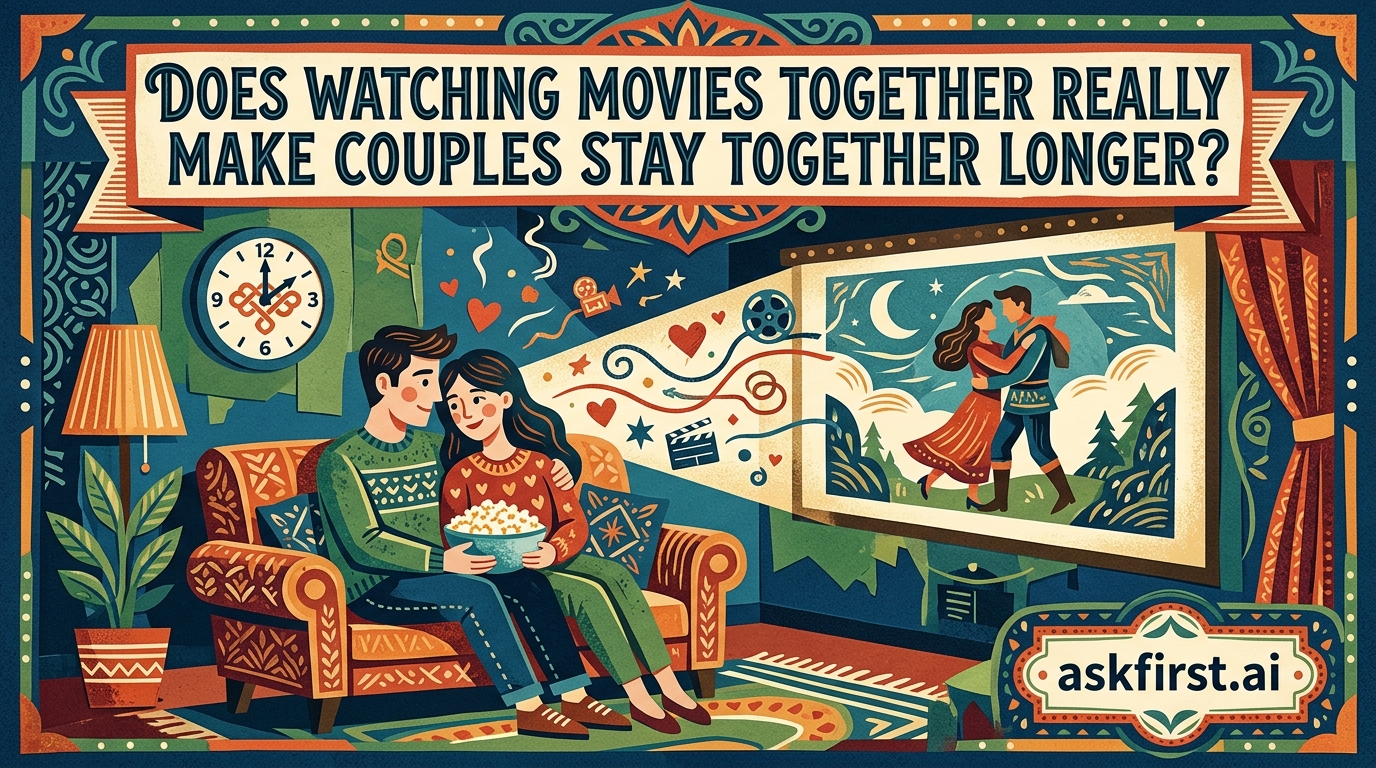
For decades, the standard advice for couples looking to reconnect has been to go out for a candlelit dinner or embark on a grand vacation. However, recent psychological research suggests that the secret to long-term relationship satisfaction might be far more accessible: sitting on the couch and watching a movie together. While it might seem like a passive activity, shared viewing experiences create a unique psychological bridge between partners, potentially acting as a powerful tool for relationship longevity.
The 'Shared Reality' Effect
Psychologists often refer to the concept of 'shared reality,' which occurs when two individuals perceive a stimulus or an event in the same way. When a couple watches a movie, they are both reacting to the same plot twists, the same emotional highs, and the same visual stimuli simultaneously. This synchronous processing triggers mirror neurons, allowing both partners to vicariously experience the emotions of the characters on screen. Because these emotions are experienced together, the boundary between individual perception and collective experience blurs, fostering a deep sense of 'we-ness' that is essential for long-term bonding.
Breaking the Communication Barrier
One of the most persistent issues in struggling relationships is the 'communication rut,' where partners find it difficult to start meaningful conversations. Movies provide a low-stakes framework for discussing complex interpersonal dynamics. By analyzing a character's choices or criticizing a protagonist's behavior, partners can explore sensitive topics—such as jealousy, ambition, or loyalty—without making the conversation explicitly about their own flaws. This is known as 'distanced conversation.' It allows for the expression of personal values and emotional needs under the guise of movie criticism. Studies have shown that couples who engage in this type of discussion after a film demonstrate lower divorce risk and higher levels of empathy compared to those who do not.
Strengthening Emotional Synchrony
Emotional synchrony refers to the ability of two people to align their emotional states. During a high-intensity scene—such as a suspenseful thriller or a deeply moving drama—couples often display similar physiological responses, including increased heart rates or shared facial expressions. This physiological mirroring reinforces the emotional connection. Research from the University of Rochester suggests that the post-movie debrief is where the real magic happens. By discussing the film, couples reinforce their shared values, which serves as a cognitive anchor for the relationship. If both partners agree that a character’s sacrifice was heroic, they are effectively confirming that they share a similar moral compass.
Practical Guidelines for Relationship Maintenance
To maximize the benefits of 'cinema therapy,' consider these evidence-based strategies:
- Select Diverse Genres: Don't stick to one type of movie. Exploring different narratives keeps the intellectual connection fresh and allows partners to see different sides of each other's personality.
- Avoid the 'Zoning Out' Trap: While relaxation is important, if the goal is connection, avoid mindless scrolling on phones while the movie plays. The key is active engagement.
- Post-Movie Reflection: Spend 15 minutes discussing the film. Ask open-ended questions like, 'What would you have done if you were in their position?' or 'Which character did you find most relatable?'
- Consistency Over Intensity: Watching a movie together once a month is more effective than attempting a massive, high-pressure 'relationship movie marathon' once a year. Small, consistent rituals are the building blocks of enduring attachment.
Myths and Realities
It is important to note that watching movies is not a panacea for deep-seated toxicity or fundamental incompatibility. If a couple's issues stem from broken trust or systemic patterns of hostility, a two-hour romantic comedy will not mend the gap. The effectiveness of this habit relies on the existing willingness of both partners to connect. Essentially, movies act as a catalyst for intimacy rather than a substitute for effort. When used as a supplement to healthy communication, it functions as a highly effective, cost-efficient, and accessible way to maintain emotional proximity.
Conclusion
The enduring power of shared screen time lies in its ability to foster curiosity about one another. In a fast-paced world, finding a two-hour window of uninterrupted time is a statement of priority. By stepping into fictional worlds together, couples do more than just pass the time; they build a library of shared memories, opinions, and emotional markers that define their relationship's unique history. So, the next time the debate arises over what to stream, remember that you are not just choosing entertainment—you are investing in the fabric of your partnership.