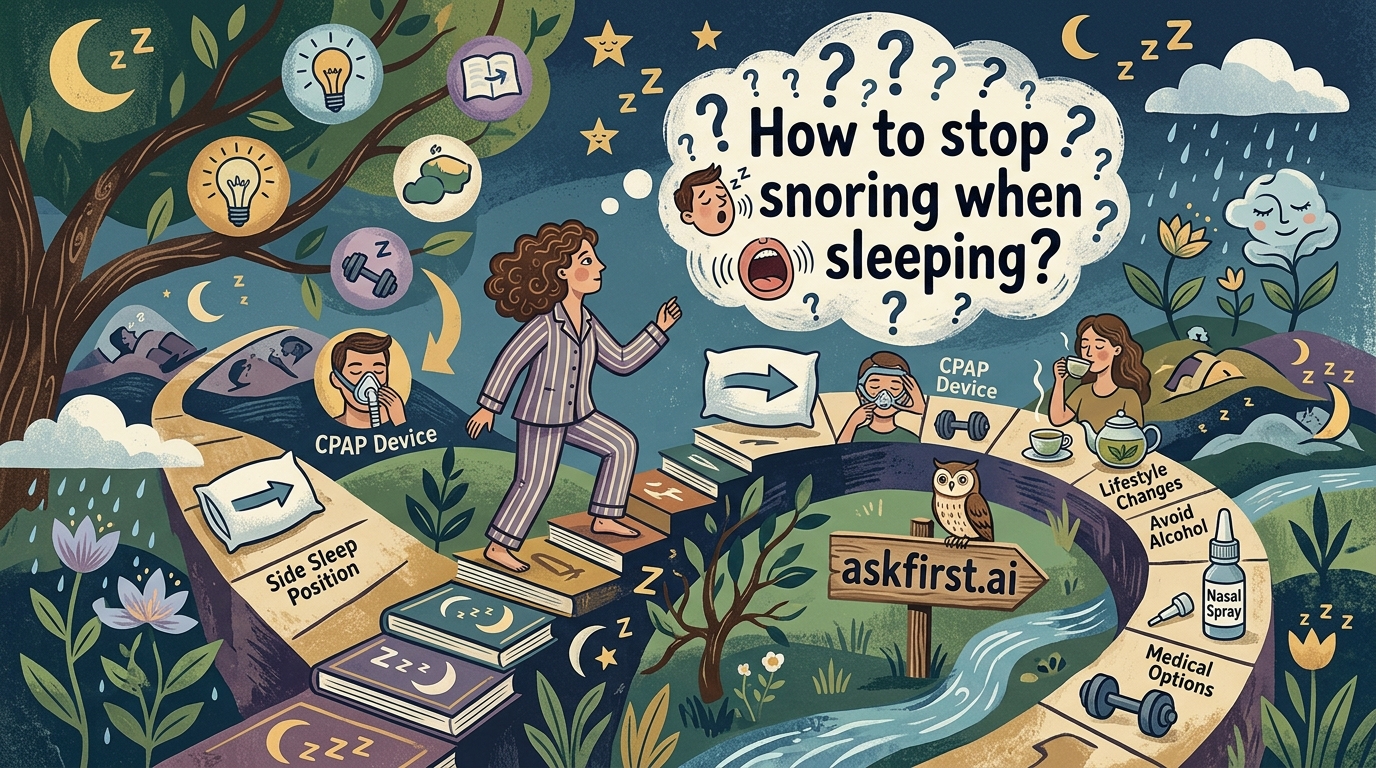
Snoring is a physiological phenomenon that affects millions of people globally, often acting as a signal that the airway is being partially obstructed during sleep. While frequently dismissed as a mere nuisance, persistent snoring can be a precursor to obstructive sleep apnea (OSA), a serious medical condition characterized by repeated breathing pauses. Addressing this issue requires a multifaceted approach, combining lifestyle adjustments, physical maneuvers, and, when necessary, clinical intervention.
Understanding the Mechanics of Snoring
To effectively stop snoring, one must first grasp why it occurs. Snoring is caused by the vibration of soft tissues in the throat—specifically the soft palate, uvula, and tonsils—as air struggles to pass through a narrowed airway. When you fall into a deep sleep, the muscles in the back of your throat relax. If these muscles relax too much, the airway narrows, and the velocity of air intake increases, causing the soft tissues to flutter.
According to Dr. Meir Kryger in his seminal work The Encyclopedia of Sleep, anatomical factors such as a deviated septum, enlarged tonsils, or excess tissue around the neck can exacerbate this vibration. Understanding that snoring is a structural and muscular issue is the first step toward resolution.
Lifestyle Modifications: The First Line of Defense
Before seeking medical procedures, several behavioral shifts can significantly reduce or eliminate snoring.
- Positional Therapy: Sleeping on your back (supine position) is the most common cause of tongue-base collapse. Gravity pulls the tongue and soft tissues toward the back of the throat, narrowing the airway. Utilizing a "tennis ball technique"—sewing a tennis ball into the back of a pajama top—is a classic behavioral modification cited in Principles and Practice of Sleep Medicine to force side-sleeping.
- Weight Management: Excess adipose tissue around the neck exerts external pressure on the airway, making it more prone to collapse. Even a modest reduction in body mass index (BMI) can widen the pharyngeal space.
- Avoidance of Alcohol and Sedatives: Substances like alcohol, benzodiazepines, and muscle relaxants decrease the "tonus" of the pharyngeal muscles. According to research published by the American Academy of Sleep Medicine, consuming alcohol within four hours of bedtime can induce a state of muscular flaccidity that makes even a non-snorer prone to airway obstruction.
- Hydration and Humidity: Dry air can irritate the membranes of the nose and throat, leading to congestion. Using a humidifier in the bedroom keeps the nasal passages lubricated, which can prevent the inflammation that causes snoring.
Targeted Physical Exercises
Recent research suggests that "oropharyngeal exercises"—essentially physical therapy for the throat—can strengthen the muscles of the upper airway. A study published in the journal Chest demonstrated that daily exercises targeting the tongue and soft palate can reduce snoring frequency by up to 39%.
Simple exercises include:
- Tongue slides: Push the tip of your tongue against the roof of your mouth and slide it backward.
- Vowel repetition: Repeat the vowels "a-e-i-o-u" loudly for three minutes daily to tone the muscles of the throat.
- Jaw stretching: Open your mouth wide and move your jaw from side to side to engage the pterygoid muscles.
Medical and Technological Interventions
When lifestyle changes are insufficient, specialized devices can provide the necessary mechanical support to keep the airway open.
- Mandibular Advancement Devices (MADs): These are custom-fitted oral appliances that push the lower jaw slightly forward. By advancing the mandible, the device pulls the tongue forward, effectively creating more space in the retro-palatal area. These are often recommended by dentists specializing in sleep medicine.
- Nasal Dilators: For those whose snoring originates in the nasal cavity, adhesive strips (like Breathe Right strips) or internal nasal cones can open the nasal passages, reducing the resistance to air intake.
- CPAP Therapy: If a sleep study (polysomnography) confirms obstructive sleep apnea, the Continuous Positive Airway Pressure (CPAP) machine is the gold standard. By delivering a constant stream of pressurized air, it acts as a "pneumatic splint," holding the airway open throughout the night.
When to Seek Professional Consultation
It is imperative to distinguish between "benign" snoring and pathological sleep apnea. If you experience morning headaches, excessive daytime fatigue, or if your partner observes you gasping or choking during the night, these are "red flag" symptoms. You should consult a board-certified sleep specialist. Ignoring these symptoms can lead to long-term cardiovascular strain, including hypertension and increased risk of stroke, as noted in the Journal of Clinical Sleep Medicine.
Conclusion
Stopping snoring is rarely about finding a single "magic bullet." Instead, it is about optimizing the environment, strengthening the respiratory musculature, and ensuring the airway remains patent throughout the sleep cycle. By implementing positional therapy, maintaining a healthy weight, and performing consistent oropharyngeal exercises, most individuals can see a marked improvement in their sleep quality. However, if these measures fail, do not hesitate to pursue a professional clinical evaluation to rule out underlying sleep disorders. Prioritizing airway health is not just about silencing the noise—it is about securing the restorative sleep your body requires for long-term vitality.