Detecting infidelity in a relationship is a deeply sensitive and complex process. It is rarely defined by a single "smoking gun" but rather by a cumulative shift in behavioral patterns, emotional distance, and logical inconsistencies. While intuition often acts as the first alarm bell, relying solely on suspicion can be destructive. To approach this situation with clarity, one must look for objective clusters of behavior that deviate from established norms in the relationship.
The Shift in Communication Patterns
One of the most reliable indicators of infidelity is a sudden, unexplained change in communication. In The Truth About Cheating, clinical psychologist Dr. Gary Neuman notes that when a partner begins an affair, they often subconsciously create a "wall" to protect their new dynamic. This frequently manifests as:
- Defensiveness: When asked simple, benign questions about their day or whereabouts, the partner responds with irritation or accusations, effectively flipping the script to make you feel like the "aggressor."
- The "Information Diet": You may notice that they provide significantly less detail about their daily activities than they once did. Where they used to share anecdotes about colleagues or events, they now provide vague, clipped summaries.
- Contradictory Narratives: If you suspect dishonesty, pay attention to the timeline. Chronic liars often struggle to maintain consistency. If a story about where they were on a Tuesday night changes slightly when recounted two days later, it suggests that the narrative is being constructed rather than recalled.
Technological Barriers and Digital Privacy
In the modern era, the smartphone has become the primary vault for extramarital activity. While everyone is entitled to a reasonable expectation of privacy, a sudden, radical shift in digital behavior is a significant red flag.
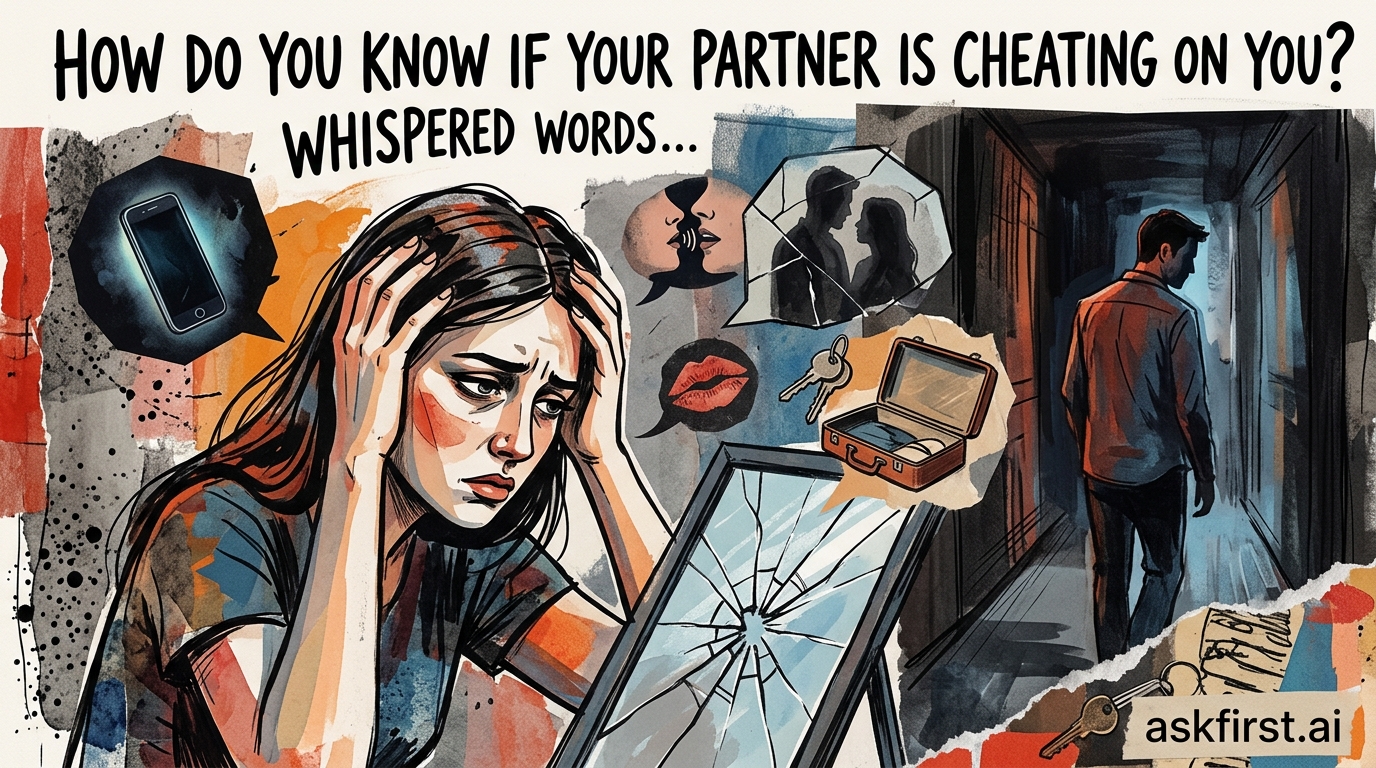
Behaviors such as suddenly password-protecting a phone that was previously left unlocked, keeping the phone face-down at all times, or leaving the room to take calls are common signals. In her seminal work, The State of Affairs, Esther Perel explores how digital intimacy often precedes physical infidelity. If your partner has developed a new "private life" online—characterized by secret social media accounts or constant, secretive texting—it indicates an investment of emotional energy elsewhere. It is not necessarily the presence of technology that is the issue, but the sudden, obsessive guarding of it.
Emotional Withdrawal and Projection
Infidelity often creates a dissonance that the cheating partner must resolve. To mitigate their own guilt, many people engage in psychological projection. They may accuse you of being "clingy," "paranoid," or "untrusting." By painting you as the problem, they justify their own withdrawal.
Furthermore, observe the "emotional bandwidth" of your partner. If they seem physically present but mentally distant—staring blankly during conversation, failing to pick up on emotional cues they previously understood, or losing interest in shared future plans—they are likely experiencing the "limerence" of a new connection. According to Dorothy Tennov, who coined the term in her book Love and Limerence, this state involves an intrusive, obsessive focus on a new romantic interest, which inevitably drains the energy required to sustain an existing, long-term bond.
Changes in Physical Intimacy and Grooming
The physical aspect of a relationship is often the first to suffer when a third party is introduced. This can manifest in two opposing ways:
- The Withdrawal: A sudden drop in sexual interest or physical affection. If the partner is receiving validation and intimacy elsewhere, they may find the physical requirements of their primary relationship to be a burden or a source of guilt.
- The Sudden Improvement: Conversely, some individuals experience a surge in sexual desire, often influenced by the thrill of an affair. If your partner suddenly adopts new techniques, interests, or grooming habits that were never part of their personality before, it may suggest they are being influenced by someone else.
The Importance of Verification
If you identify several of these patterns, it is vital to avoid jumping to conclusions based on "gut feelings" alone. In Not Just Friends, Dr. Shirley Glass emphasizes that secrecy is the true enemy of a relationship. Before confronting your partner, gather your thoughts and prepare for a difficult conversation.
Focus on "I" statements rather than accusations. For example, instead of saying, "You are cheating on me," try, "I have noticed that we have become quite distant, and I feel like there is a wall between us. I’ve been feeling insecure because of [specific behavior]. Can we talk about what is happening?"
Conclusion
Knowing if your partner is cheating requires a balance of observation and self-reflection. It is easy to let anxiety turn into paranoia, so it is essential to look for sustained patterns rather than isolated incidents. If the trust has been eroded to the point where you are constantly monitoring your partner, the foundation of the relationship is already in jeopardy, regardless of whether infidelity is occurring. Transparency, open communication, and, if necessary, professional counseling are the only ways to navigate the fog of suspicion and determine the true health of your partnership. Trust your observations, but verify your conclusions before making life-altering decisions.