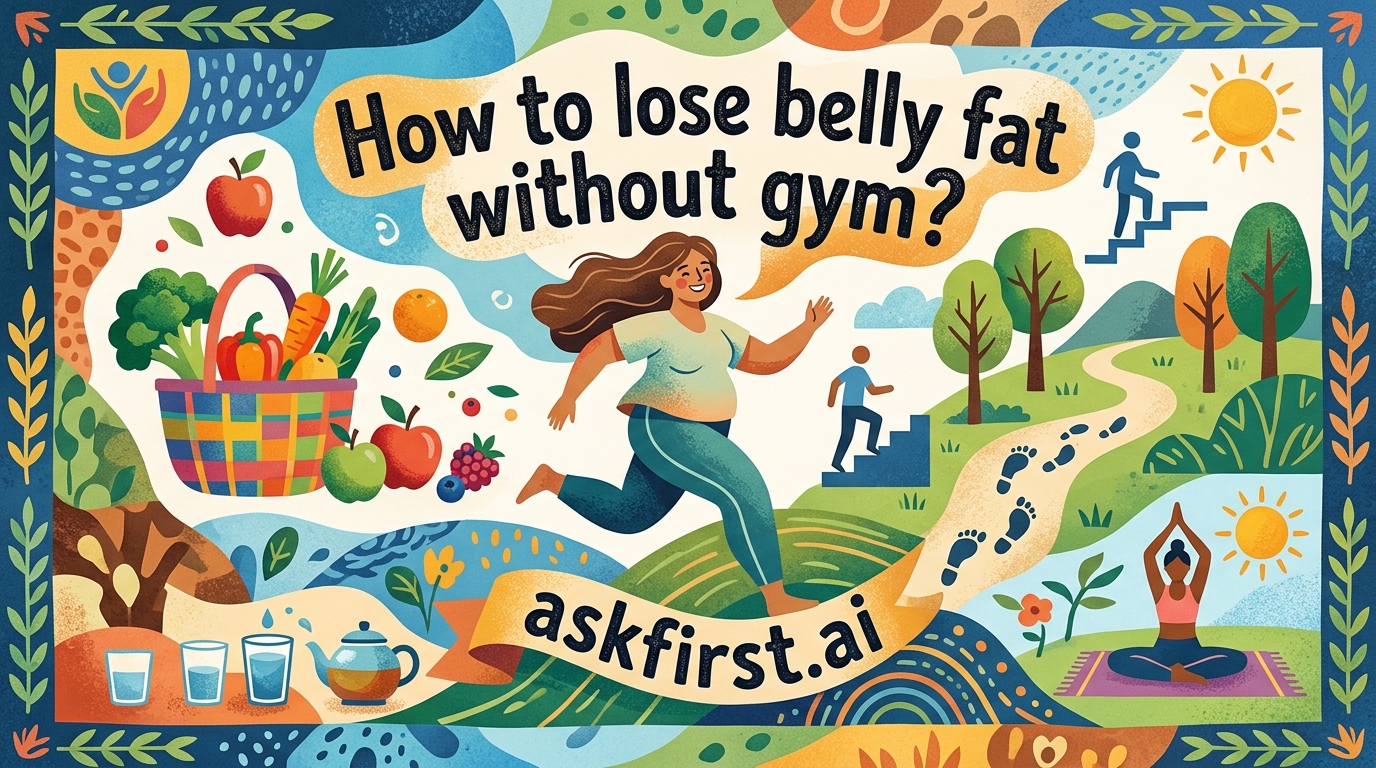
The Science of Sustained Abdominal Fat Reduction: A Home-Based Approach
Losing belly fat—specifically visceral adipose tissue—is often perceived as a challenge that necessitates expensive gym memberships and high-end equipment. However, physiological transformation is dictated by metabolic consistency and nutritional precision rather than the geography of your workout. Achieving a leaner midsection from home is entirely possible by leveraging the principles of caloric deficit, metabolic conditioning, and hormonal regulation.
The Nutritional Foundation: The 80/20 Rule
The most critical factor in abdominal fat loss is not the intensity of your sit-ups, but the quality and quantity of your caloric intake. Visceral fat is highly responsive to insulin levels; therefore, stabilizing blood sugar is your primary objective.
- Prioritize Protein Density: Consuming 1.6 to 2.2 grams of protein per kilogram of body weight is essential. As noted by Dr. Stuart Phillips in his research on muscle protein synthesis, high-protein diets increase the thermic effect of food (TEF), meaning your body burns more calories simply digesting protein compared to fats or carbohydrates.
- Fiber and Microbiome Health: Soluble fiber, found in flax seeds, avocados, and legumes, forms a gel that slows the transit of food through the gut. This promotes satiety and prevents the insulin spikes that trigger fat storage in the abdominal region.
- The Elimination of Liquid Calories: Sugary sodas, excessive fruit juices, and alcohol are primary drivers of visceral fat. Alcohol, in particular, pauses fat oxidation because the liver prioritizes the metabolism of ethanol over stored adipose tissue.
Metabolic Conditioning: High-Intensity Interval Training (HIIT) at Home
You do not need a squat rack to elevate your heart rate sufficiently to trigger fat oxidation. High-Intensity Interval Training (HIIT) is scientifically proven to be more time-efficient for visceral fat loss than steady-state cardio.
- The Protocol: Perform 30 seconds of maximum effort movement (mountain climbers, burpees, or high knees) followed by 30 seconds of rest. Repeat this for 15–20 minutes.
- The "Afterburn" Effect: Known in exercise physiology as Excess Post-exercise Oxygen Consumption (EPOC), this state ensures your body continues to burn calories at an accelerated rate for hours after the workout concludes.
- Concrete Example: If you are a beginner, start with a simple circuit of bodyweight squats, push-ups, and lunges. Perform each for 40 seconds, rest for 20 seconds, and complete four rounds. This total-body engagement recruits more muscle mass than isolated abdominal exercises, leading to a higher caloric burn.
The Role of Cortisol and Sleep Hygiene
Many individuals fail to lose belly fat despite rigorous diet and exercise because they ignore the endocrine system. Chronic stress elevates cortisol, the "stress hormone," which has been clinically linked to the redistribution of fat to the abdominal area.
- The Sleep-Fat Connection: Research published in The Journal of the American Medical Association (JAMA) highlights that sleep deprivation disrupts ghrelin and leptin—the hunger hormones. When you sleep fewer than seven hours, your body craves high-calorie, simple carbohydrates.
- Active Recovery: Incorporate low-intensity steady-state (LISS) activity, such as walking for 30–45 minutes daily. Walking is a powerful tool for lowering cortisol levels while burning fat as a primary fuel source. It is low-impact, sustainable, and does not trigger the same hunger response as high-intensity training.
NEAT: The Secret Weapon of Fat Loss
Non-Exercise Activity Thermogenesis (NEAT) refers to the energy expended for everything we do that is not sleeping, eating, or sports-like exercise. This includes fidgeting, standing, cleaning the house, or taking the stairs.
- Increasing NEAT: If you work a desk job, set a timer to stand up every 30 minutes. Research by Dr. James Levine at the Mayo Clinic, author of Move a Little, Lose a Lot, demonstrates that individuals who maximize their NEAT can burn up to 300–500 extra calories per day without ever stepping foot in a gym. This is often the difference between a plateau and consistent progress.
Conclusion: Consistency Over Intensity
Losing belly fat is a process of metabolic recalibration. It requires a shift away from the "quick fix" mentality and toward a lifestyle that prioritizes whole foods, high-protein intake, adequate sleep, and constant, low-level movement. You do not need a gym to lose weight; you need a structured environment that minimizes insulin spikes and maximizes daily energy expenditure. By implementing these strategies—focusing on protein density, HIIT, sleep hygiene, and high NEAT—you create a physiological environment where your body is forced to utilize stored fat for energy. Success in this endeavor is not about the equipment you have, but the habits you maintain. Start by cleaning your pantry, committing to a consistent sleep schedule, and ensuring you are moving your body in some capacity every single hour of the day.