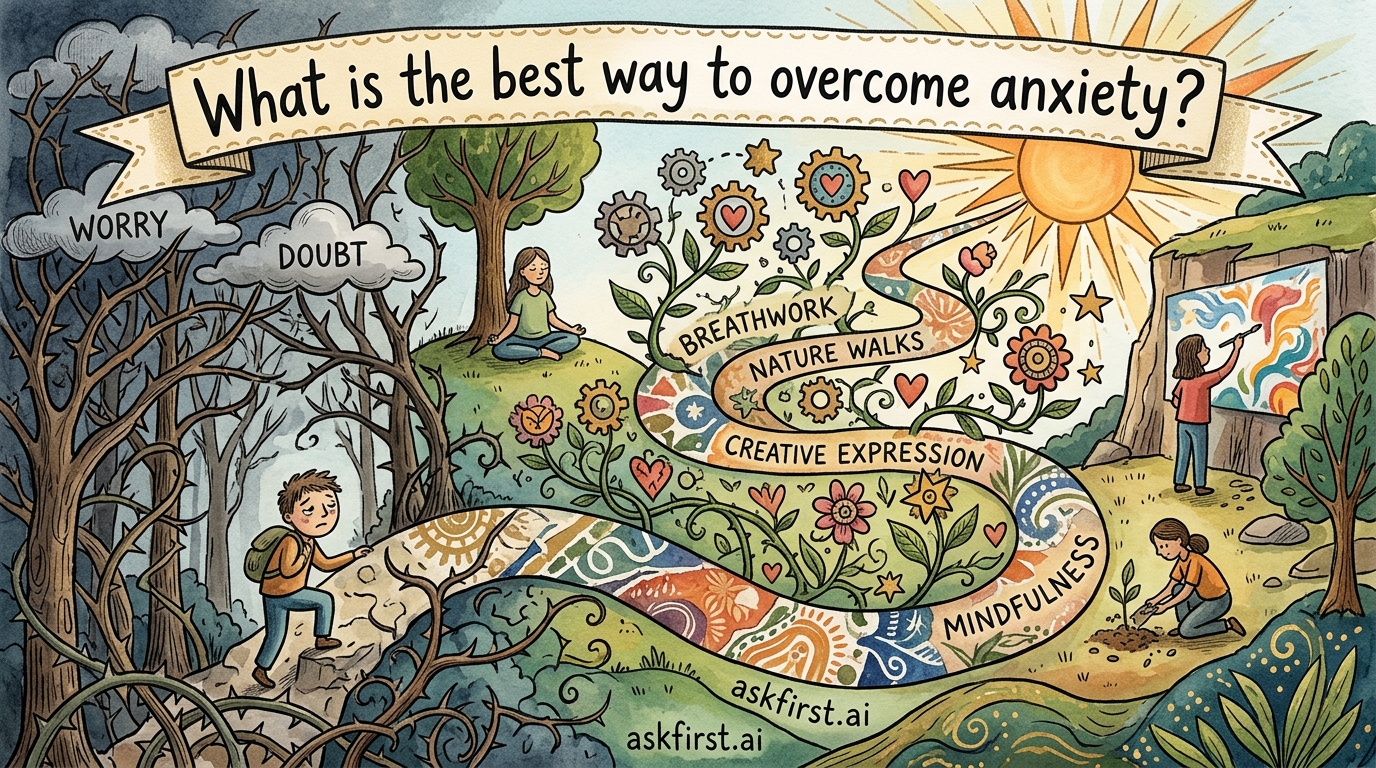
Overcoming anxiety requires a multi-faceted approach that addresses both physiological symptoms and cognitive patterns. The most effective strategies are generally categorized into clinical interventions, lifestyle modifications, and behavioral techniques.
1. Cognitive Behavioral Techniques
Cognitive Behavioral Therapy (CBT) is considered the gold standard for managing anxiety.
- Cognitive Restructuring: Identify and challenge "cognitive distortions," such as catastrophizing or black-and-white thinking. Replace these irrational thoughts with balanced, evidence-based alternatives.
- Exposure Therapy: Gradually and safely facing the situations or objects that trigger anxiety. This process, known as habituation, reduces the brain's fear response over time.
- Mindfulness and Grounding: Utilize the 5-4-3-2-1 technique to manage panic: identify 5 things you see, 4 you can touch, 3 you hear, 2 you can smell, and 1 you can taste. This shifts focus from internal racing thoughts to the external environment.
2. Physiological Regulation
Anxiety triggers the "fight-or-flight" response, which can be mitigated through deliberate physical actions.
- Diaphragmatic Breathing: Practice "box breathing" (inhale for 4 seconds, hold for 4, exhale for 4, hold for 4). This stimulates the vagus nerve and activates the parasympathetic nervous system to lower heart rate.
- Progressive Muscle Relaxation (PMR): Systematically tense and release muscle groups throughout the body to reduce physical tension often held during periods of high stress.
3. Lifestyle Modifications
Biological stability provides the foundation for emotional regulation.
- Consistent Sleep Hygiene: Anxiety is exacerbated by sleep deprivation, which impairs the prefrontal cortex's ability to regulate the amygdala.
- Limiting Stimulants: Reduce intake of caffeine and nicotine, both of which can mimic or exacerbate the physical sensations of anxiety, such as palpitations and jitters.
- Regular Aerobic Exercise: Physical activity burns off excess adrenaline and cortisol while releasing endorphins, which serve as natural mood stabilizers.
4. Clinical Support
When anxiety significantly interferes with daily functioning, professional intervention is necessary.
- Psychotherapy: Working with a licensed therapist provides a structured environment to uncover the root causes of anxiety.
- Pharmacotherapy: Selective Serotonin Reuptake Inhibitors (SSRIs) or other prescribed medications may be used to balance neurotransmitters, often in conjunction with therapy.
- Medical Consultation: Always rule out underlying medical conditions, such as thyroid dysfunction or vitamin deficiencies, which can manifest as anxiety symptoms.
Note: If you are experiencing a mental health crisis, contact local emergency services or a dedicated crisis hotline immediately. Consistent practice of these techniques is required to see long-term neurological and behavioral change.