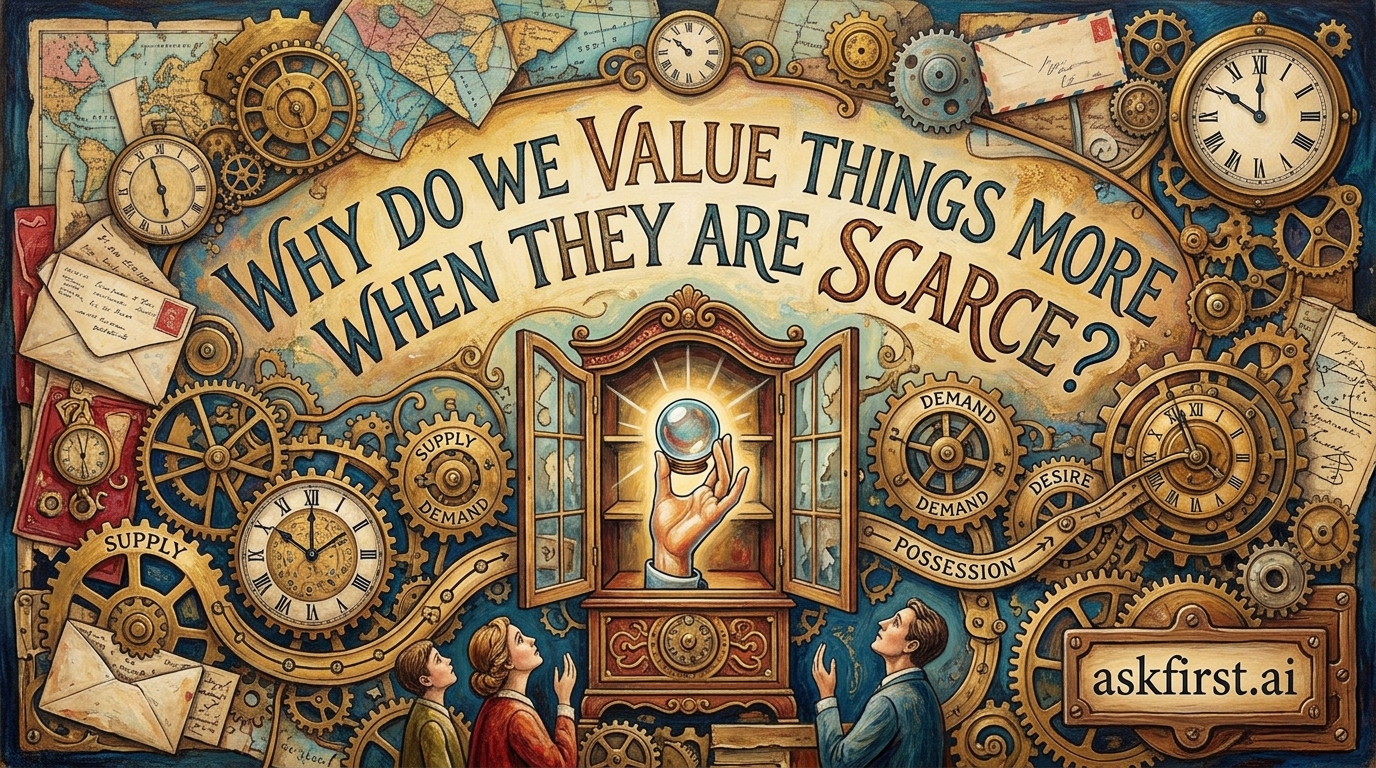
The Psychology of Scarcity
The perception of value is deeply intertwined with availability. When an item or opportunity becomes limited, the human brain instinctively assigns it a higher worth through several psychological mechanisms:
- Loss Aversion: Humans are wired to fear losing access to something more than they value gaining it. Scarcity triggers a sense of urgency to prevent loss.
- Social Proof: If something is rare, the collective perception often assumes that others desire it, creating a feedback loop of increased demand.
- Perceived Quality: Historically, rare resources—like precious metals or artisanal crafts—were associated with higher quality or status, an association that persists in modern consumer behavior.
The Scarcity Heuristic
This mental shortcut allows individuals to make rapid decisions by equating rarity with importance. In professional settings, this principle is utilized to emphasize exclusivity and enhance brand equity. By limiting supply, creators effectively signal that their offerings possess unique attributes that are not easily replicated, thereby fueling desire and long-term interest.