The Paradox of Social Isolation
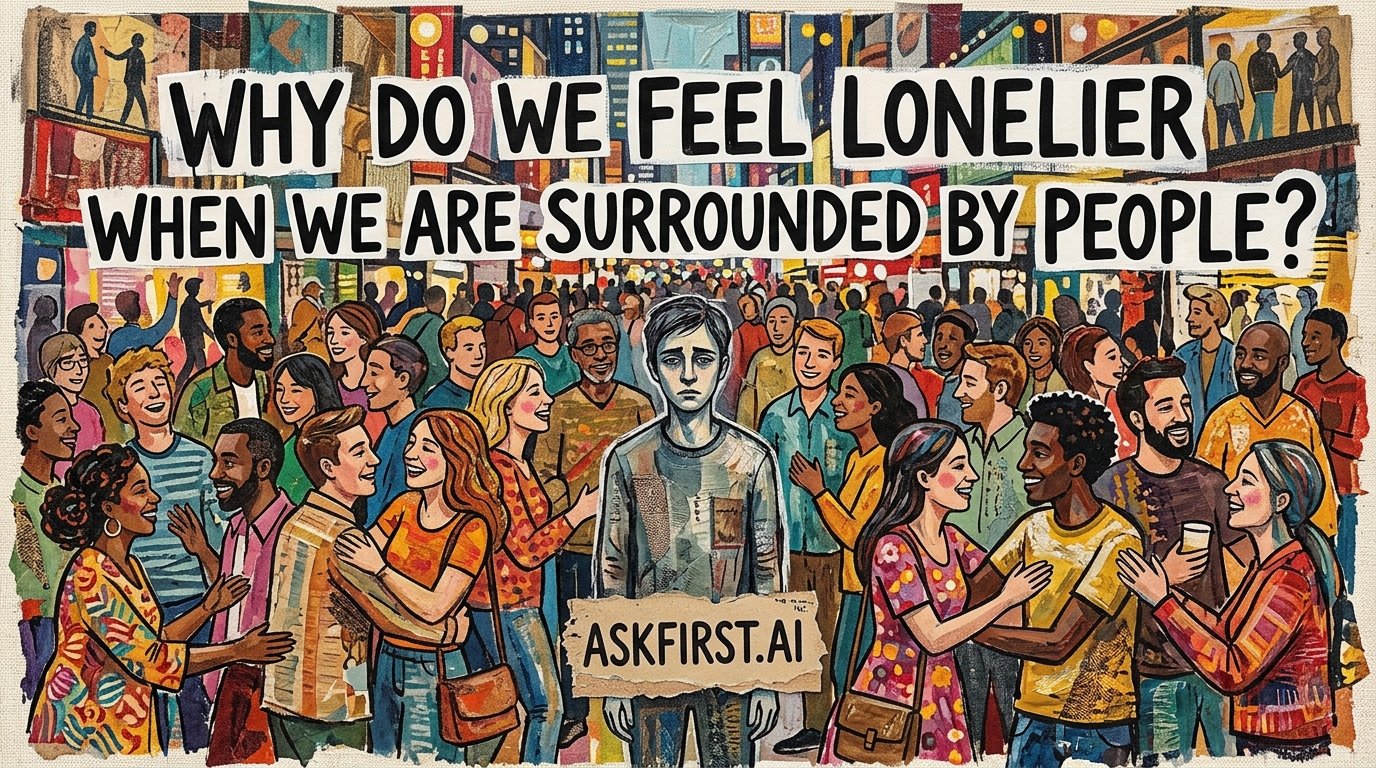
Feeling lonely in a crowd is a common psychological phenomenon driven by perceived social disconnection rather than physical proximity. Humans are biologically wired for intimacy, and when superficial interactions fail to meet these deep-seated emotional needs, a sense of alienation emerges.
Core Psychological Factors
- The Quality Gap: Loneliness often stems from a lack of meaningful, authentic connection. Interactions that remain shallow or purely functional do not activate the brain’s social reward systems.
- Social Comparison Theory: Being surrounded by others who appear 'connected' can trigger feelings of inadequacy. Comparing one’s internal state to the outward appearance of others often highlights perceived social deficits.
- Self-Preservation Instincts: Research suggests that high levels of social anxiety can trigger a defensive state. In this mode, individuals focus on potential rejection, which makes them feel psychologically walled off even while physically present in a group.
By prioritizing vulnerability and active listening in conversations, individuals can transform routine gatherings into moments of genuine resonance, effectively closing the gap between being 'seen' and truly 'known.'